
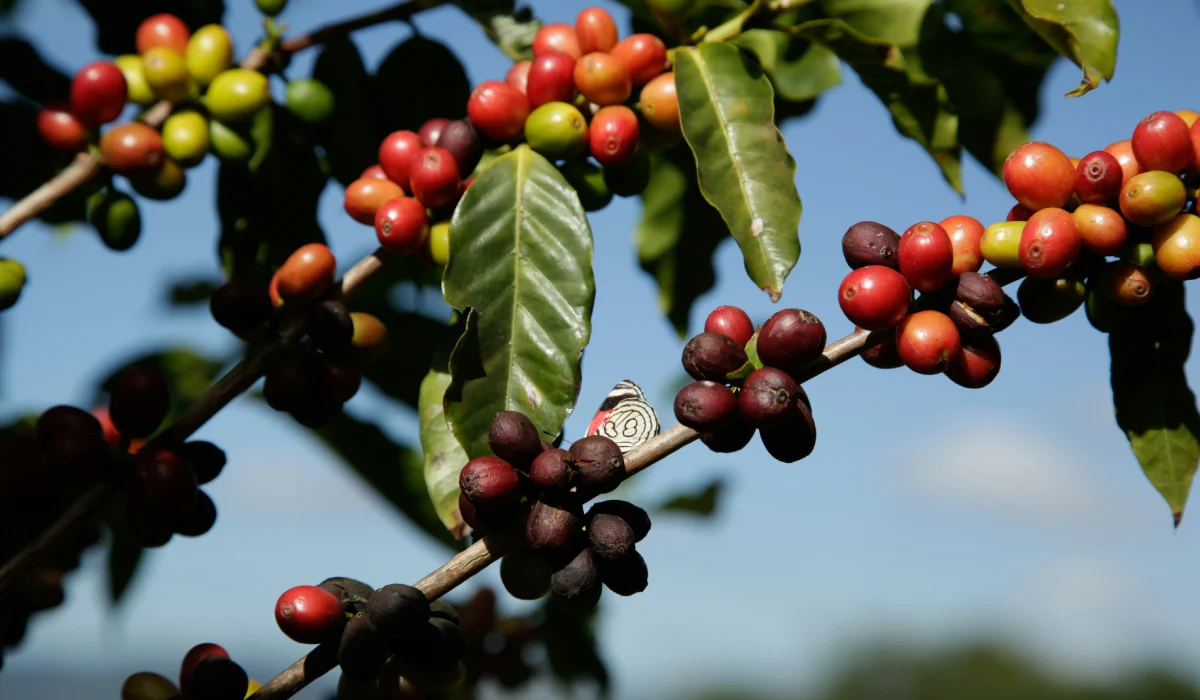
Batian vs. Ruiru 11 vs. SL-28: Flavor Profiles and Agronomic Resilience
Kenya’s world-renowned cup profile is defined by its unique botanical history and cutting-edge agronomic research. From classic drought-tolerant heritage selections like SL-28 and SL-34 to modern, disease-resistant hybrids like Ruiru 11 and Batian, each cultivar presents distinct physical characteristics, yield dynamics, and sensory structures. For green coffee buyers, quality specialists, and roasters, evaluating how these varieties balance agronomic resilience against high-scoring cupping potential is essential for making informed sourcing decisions and building sustainable, high-value specialty coffee offerings.
The Botanical Evolution of Kenyan Arabica
The story of Kenyan Arabica is rooted in rigorous agricultural science. In the 1930s, Scott Agricultural Laboratories introduced the iconic SL-28 and SL-34 varieties, which quickly established Kenya's global benchmark for intense phosphoric acidity, heavy body, and complex dark-berry profiles. However, these classic heritage cultivars remain highly vulnerable to major plant diseases—namely Coffee Berry Disease (CBD) caused by Colletotrichum kahawae and Coffee Leaf Rust (CLR) caused by Hemileia vastatrix.
To protect smallholder farmer livelihoods from devastating crop losses, researchers at the Coffee Research Institute (CRI) developed Ruiru 11 in the 1980s and Batian in 2010. Understanding the balance between heritage flavor complexity and modern agronomic performance allows roasters and buyers to appreciate the full spectrum of Kenyan origin coffees.
Detailed Comparison of Major Kenyan Varieties
1. SL-28 & SL-34: The Heritage Specialty Gold Standard
-
Origin & Lineage: Selected from Bourbon and Tanganyika drought-resistant selections at Scott Laboratories.
-
Agronomic Traits: Tall growth habit, large canopy, susceptible to CBD and CLR. Requires careful pruning and chemical protection at lower altitudes.
-
Cupping Profile: Sparkling, intense phosphoric and citric acidity; prominent blackcurrant, dark plum, and grapefruit notes; syrupy, heavy body.
-
Specialty Standing: Consistently dominates 88+ specialty cupping tables, serving as the historical reference point for Kenyan coffee quality.
2. Ruiru 11: The Compact, Disease-Resistant Pioneer
-
Origin & Lineage: A complex dwarf hybrid released in 1985, crossing Catimor lines with SL-28, SL-34, K7, and CBD-resistant parents.
-
Agronomic Traits: Compact/dwarf structure allowing higher tree planting density per acre. Resistant to both CBD and CLR.
-
Cupping Profile: Clean, structured citric acidity, medium body, smooth caramel, stone fruit, and cocoa undertones.
-
Specialty Standing: Excellent for core blends and high-volume specialty offerings; provides stable income for smallholders without intensive fungicide costs.
3. Batian: The Modern High-Yielding Specialty Powerhouse
-
Origin & Lineage: An advanced tall variety introduced in 2010, bred from complex backcrosses including SL-28, SL-34, Rume Sudan, and Catimor.
-
Agronomic Traits: Early-maturing (yields fruit within 2 years), resistant to CBD and CLR, high-yielding with deep root systems.
-
Cupping Profile: Vibrant, complex fruit notes (blackberry, nectarine, citrus floral), bright malic/citric acidity, medium-heavy body.
-
Specialty Standing: Rapidly gaining acclaim as a true specialty contender capable of matching SL-28 in cup scores while delivering full field resistance.
Cultivar Technical Specifications Matrix
| Feature / Trait | SL-28 | SL-34 | Ruiru 11 | Batian |
| Growth Habit | Tall / Broad | Tall / Heavy Branching | Compact / Dwarf | Tall / Open Canopy |
| Disease Resistance | Low (Susceptible) | Low (Susceptible) | High (CBD & CLR) | High (CBD & CLR) |
| Maturation Rate | Standard (3 Years) | Standard (3 Years) | Fast (2 Years) | Fast / Early Maturing |
| Optimal Altitude | 1,500m – 2,100m | 1,500m – 2,100m | 1,200m – 1,900m | 1,400m – 2,100m |
| Cupping Score Range | 87 – 90+ | 86 – 89+ | 83 – 86+ | 86 – 89+ |
Why Variety Blend Consistency Matters for Buyers
In most Kenyan smallholder cooperative factories (wet mills), farmers harvest cherries from mixed plots containing a combination of SL-28, SL-34, Ruiru 11, and Batian.
-
The Power of Co-Fermentation: When these cultivars are pulped, double-fermented, and washed together, the resulting lot achieves a harmonious balance: SL-28 brings electric acidity and berry depth, while Batian and Ruiru 11 add clean sweetness and structural stability.
-
Single-Variety Micro-Lots: For specialty roasters seeking distinct, isolated flavor profiles, sourcing single-cultivar micro-lots (such as pure Batian or 100% SL-28 lots) allows for targeted roast profiling and unique single-origin marketing stories.
Sourcing & Quality Control Support with Maytac
Navigating cultivar selection, lot separation, and origin sourcing across Kenya's high-altitude growing districts requires direct on-the-ground expertise. At Maytac International Partners, we work closely with cooperatives and millers to deliver fully traceable green coffee lots tailored to your physical grade and sensory specifications.
-
Email: info@maytacinternationalpartners.com
-
Website: www.maytacinternationalpartners.com
-
Phone / WhatsApp: +254 737 600 800
FAQs
Does Batian taste as good as SL-28 on the cupping table?
Yes. In blind cupping evaluations, high-altitude Batian lots frequently score side-by-side with SL-28 (scoring 87–89 points). Batian inherits the complex acidity and floral aromatics of its SL lineage while offering complete field disease resistance.
Why was Ruiru 11 developed if SL-28 was already famous?
Ruiru 11 was developed in response to devastating Coffee Berry Disease outbreaks in the 1970s and 80s that threatened Kenya's coffee production. Its disease resistance and compact size allowed smallholder farmers to maintain high plant density without incurring heavy chemical spraying costs.
Are most Kenyan green coffee exports single-variety or mixed cultivar lots?
The majority of commercial and specialty export lots from cooperative wet mills consist of mixed cultivar lots—typically a blend of SL-28, SL-34, Ruiru 11, and Batian. Single-variety micro-lots are specially harvested and processed upon request.
How does altitude affect the flavor profile of Ruiru 11 and Batian?
Higher elevations (above 1,600m) slow cherry maturation, allowing complex organic sugars and acids to concentrate inside the bean. Both Ruiru 11 and Batian produce significantly higher sweetness, brighter acidity, and denser cellular structures when grown at high altitudes.
Which Kenyan cultivar offers the best climate resilience for farmers?
Batian and Ruiru 11 lead in climate and biological resilience. Batian features deep root systems that tolerate short drought spells, while both varieties resist major fungal pathogens, making them critical for long-term farm sustainability in East Africa.