
Quality Ladder
Grades
Frame each grade as a quality signal with more visual confidence, clearer product relevance, and a more persuasive path into the catalog.
Buyer Lens
Sort by cup and specification
These collection cards should help buyers understand the grade hierarchy quickly before comparing region-specific products.
Coffee Grade
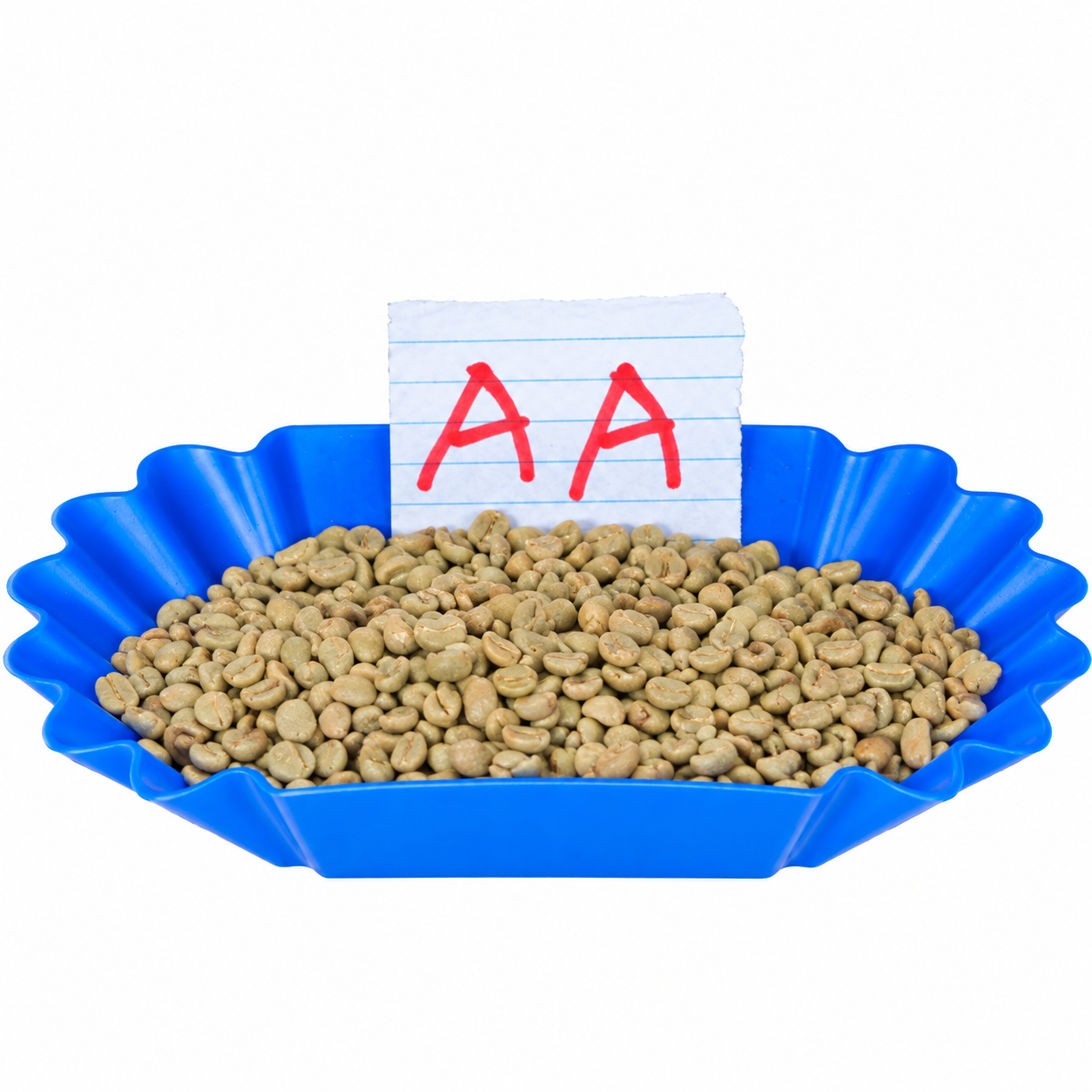
Coffee Grade AA
Coffee Grade AA represents one of the highest tiers of green coffee beans available on the global market, particularly within iconic origin regions like Kenya and East Africa. Classified by physical screen size, Grade AA beans pass through a Screen 18 mesh (retained at 7.14 millimeters), ensuring they are the largest and most uniform in any given harvest. Because larger, fully developed coffee cherries absorb more nutrients from the coffee tree during growth, Grade AA beans consistently deliver an exceptional cup profile characterized by bright, complex acidity, a full body, and distinct fruity or floral notes. Due to their strict sizing, exceptional physical presentation, and rich flavor complexity, Grade AA coffees command top bidding prices at regional coffee auctions and remain the premier choice for specialty roasters, coffee importers, and discerning connoisseurs worldwide seeking uncompromised origin characteristics.
Coffee Grade
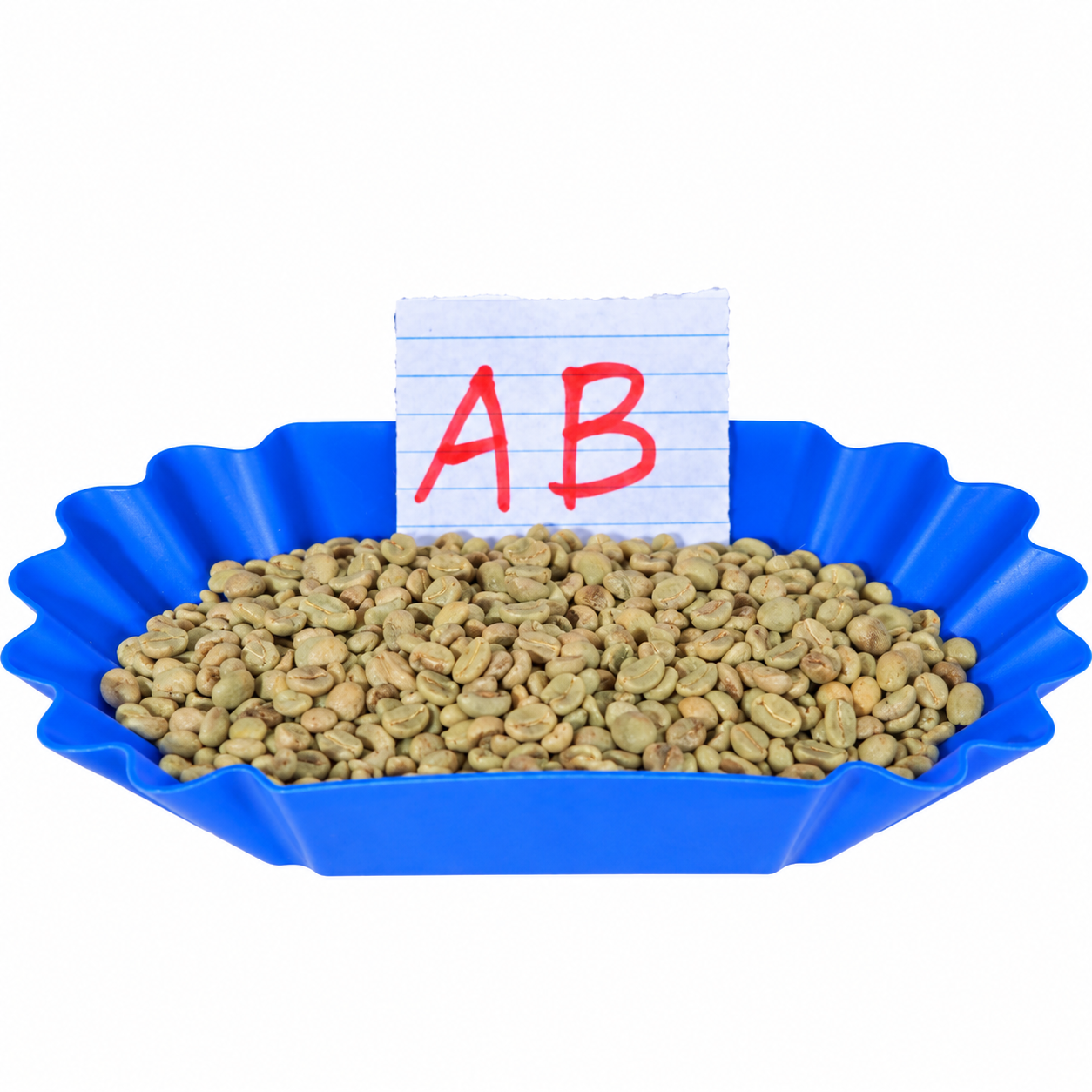
Coffee Grade AB
Coffee Grade AB represents one of the most versatile, reliable, and widely traded green coffee classifications in the specialty coffee industry. Formed by combining screen sizes 16 and 17, Grade AB coffee consists of medium-to-large beans retained between 6.35 mm and 6.75 mm mesh sizes. Originating primarily from renowned East African coffee-producing regions like Kenya and Tanzania, this grade strikes an exceptional balance between high physical quality and commercial availability.
Coffee Grade
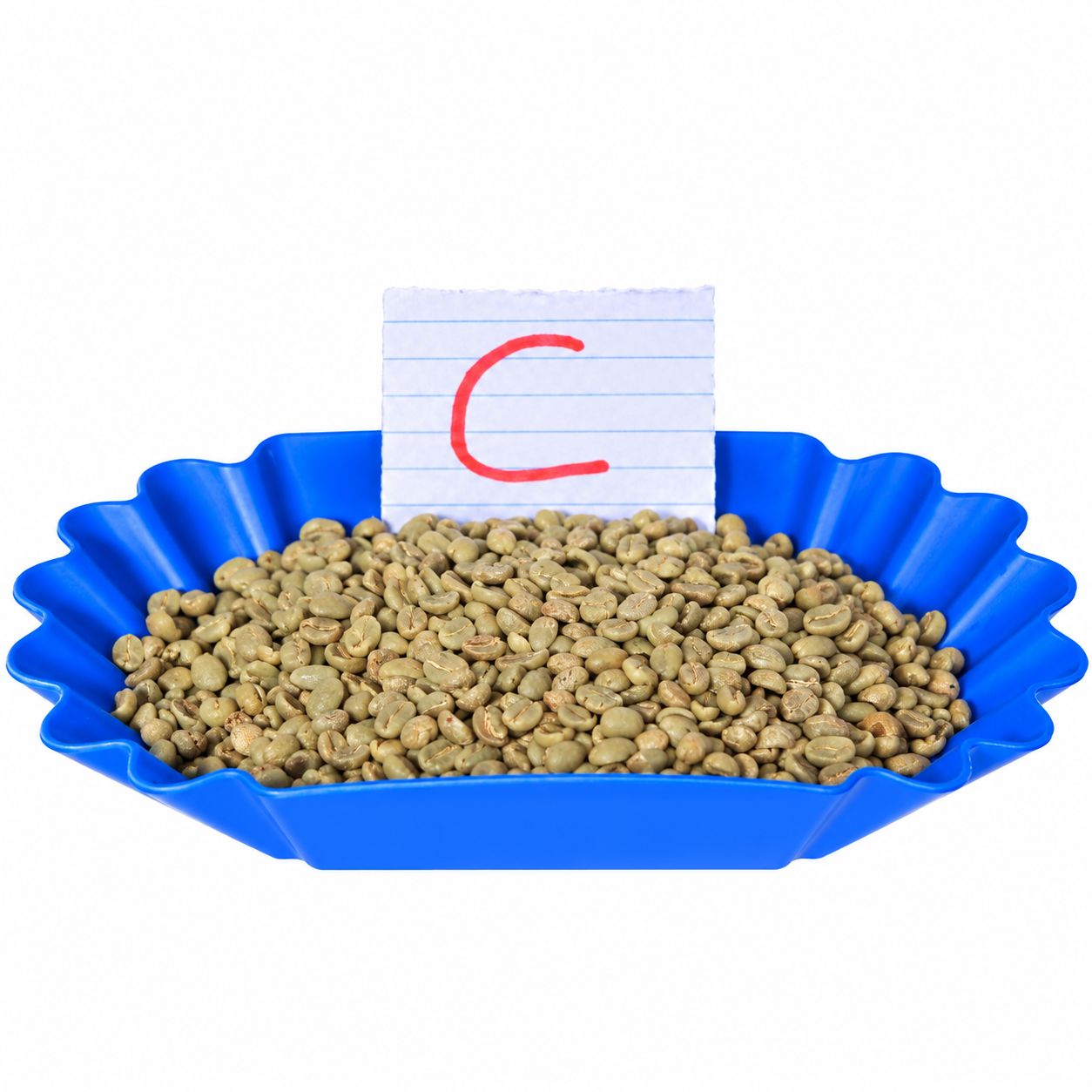
Coffee Grade C
Coffee Grade C represents the smaller physical size spectrum of washed green coffee beans separated during dry mill processing. Classified primarily by screen size—typically passing through Screen 15 and retained on Screens 10 through 14—Grade C consists of smaller, lighter beans that do not meet the strict screen dimensions of Grades AA or AB. Despite their smaller physical stature, Grade C beans originate from the exact same high-altitude trees, fertile soils, and meticulous wet-milling processes as their larger counterparts.
Coffee Grade
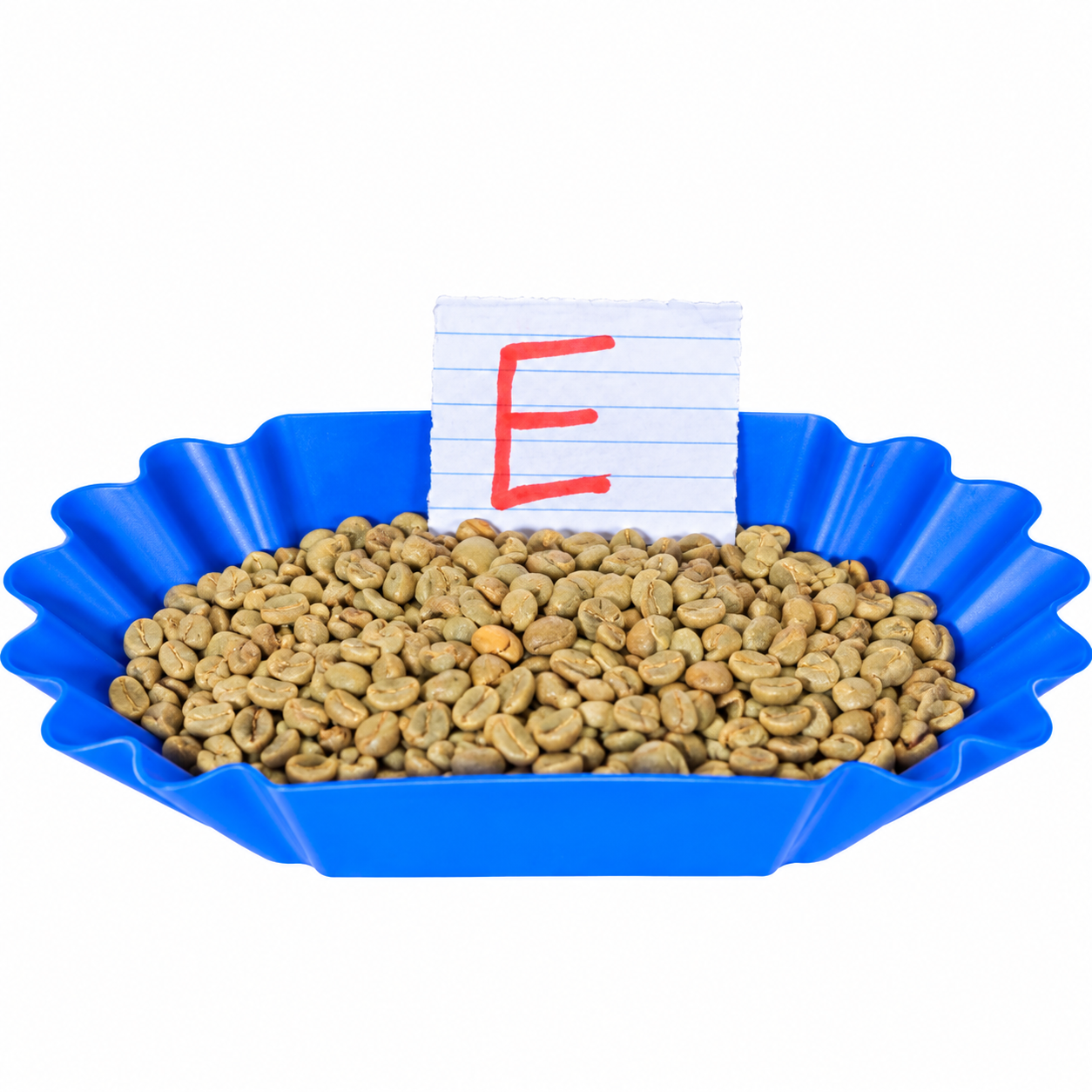
Coffee Grade E (Elephant)
Coffee Grade E, famously known as Elephant Beans, represents the largest physical coffee seeds produced in the coffee world. Classified above Screen 20 (retained on perforations larger than 7.94 millimeters), Grade E beans are visually striking, oversized seeds created by genetic traits or natural botanical phenomena where two embryonic seeds fuse together inside a single cherry.
Coffee Grade
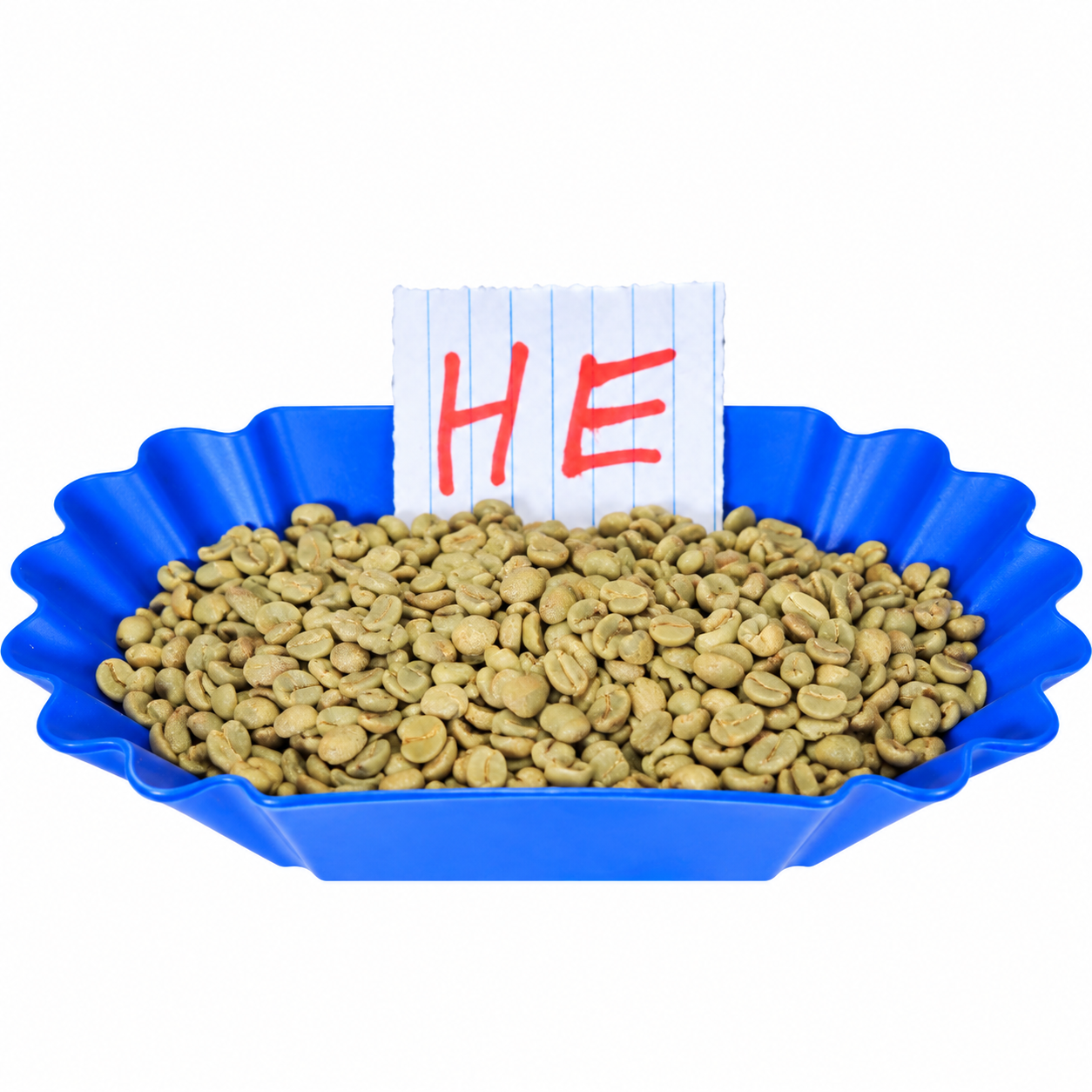
Coffee Grade HE (Hulled Ears)
Coffee Grade HE, standing for "Hulled Ears," refers to a specialized classification of natural, dry-processed green coffee beans that exhibit a distinctive, curved, or ear-shaped physical structure. Occurring primarily when multi-seeded cherries or fused embryo seeds are dried intact within the fruit pulp and subsequently hulled, Grade HE beans are separated from standard dry-processed (Mbuni) lots during mechanical dry milling.
Coffee Grade
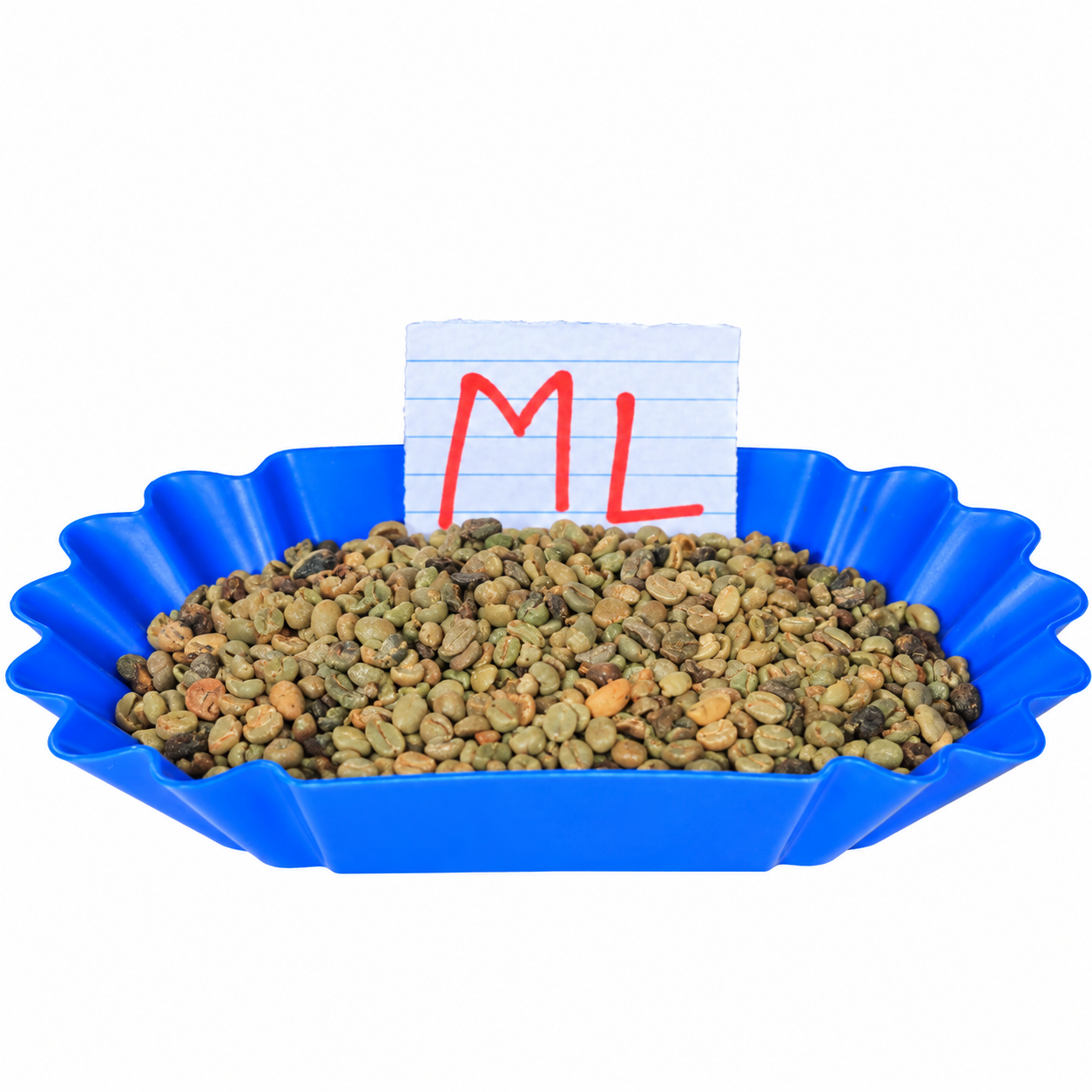
Coffee Grade MH / ML (Mbuni)
Coffee Grade MH and ML, collectively known in East Africa as Mbuni, represent natural or dry-processed green coffee beans. Unlike fully washed coffees, Mbuni beans are harvested as overripe or naturally sun-dried cherries on the coffee tree, or unwashed cherries laid out directly on raised drying beds where the fruit pulp dries intact around the seed.
Coffee Grade
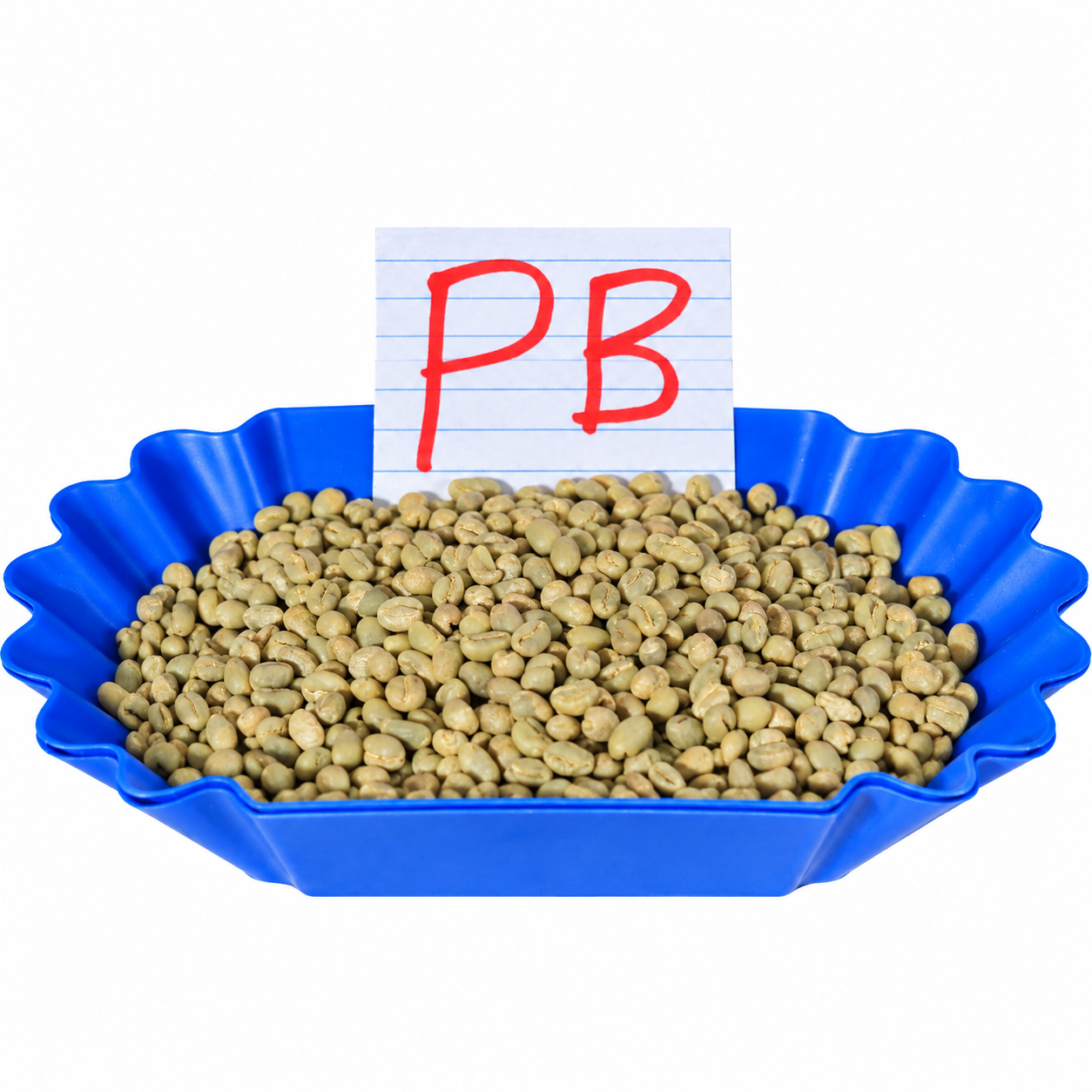
Coffee Grade PB (Peaberry)
Coffee Grade PB, commonly known as Peaberry, is a unique natural variation where a single oval or round seed develops inside the coffee cherry instead of the typical two flat-sided beans. Occurring in roughly 5% to 10% of any coffee harvest, Peaberry beans are meticulously sorted using specialized screen separators at dry mills.
Coffee Grade
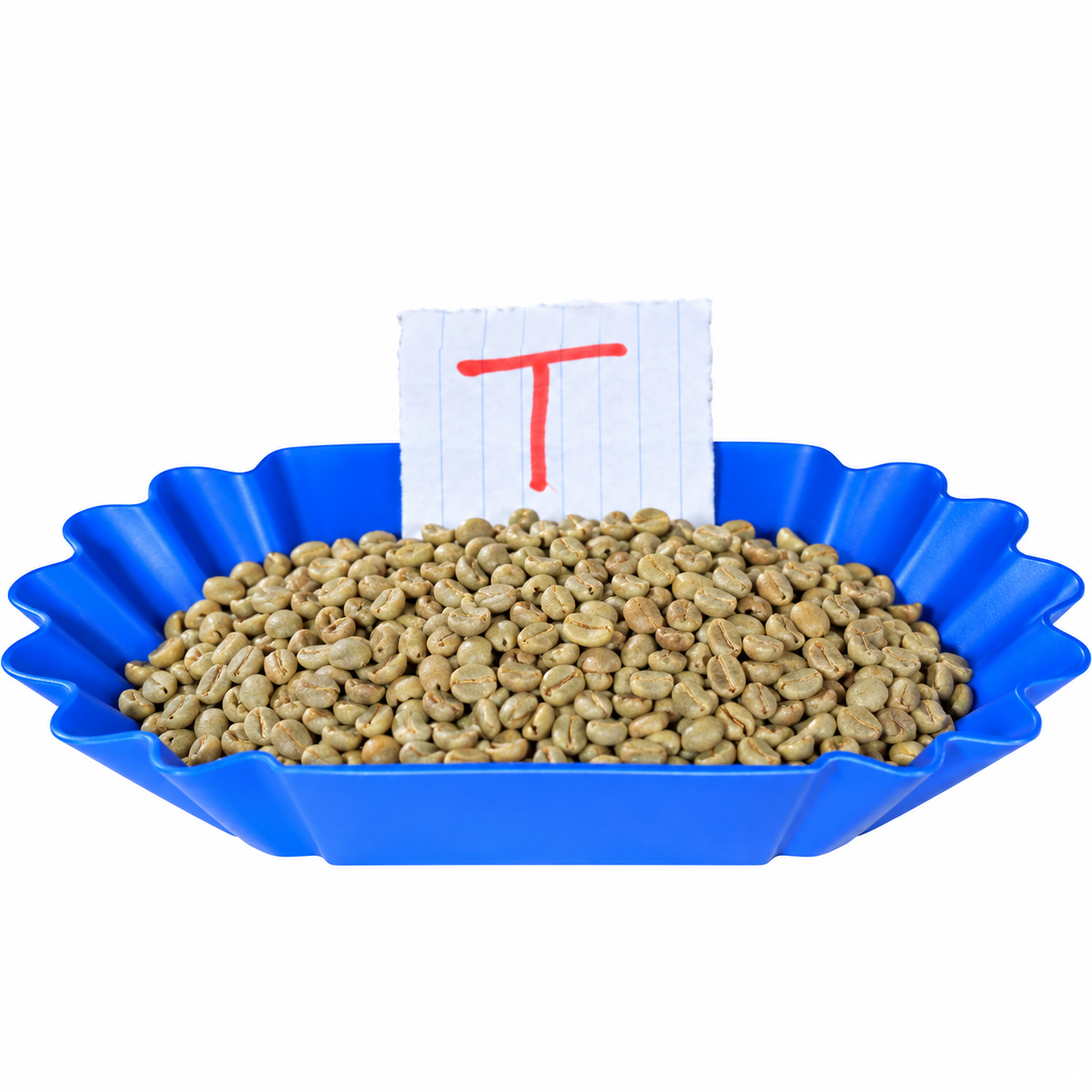
Coffee Grade T
Coffee Grade T represents the smallest and lightest physical category of washed green coffee beans separated during the dry milling process. Falling into the lowest tier of screen sizes (typically Screen 12 and below) combined with low cellular density, Grade T consists of small seeds, fragments, and lightweight coffee beans removed from primary export lots.
Coffee Grade
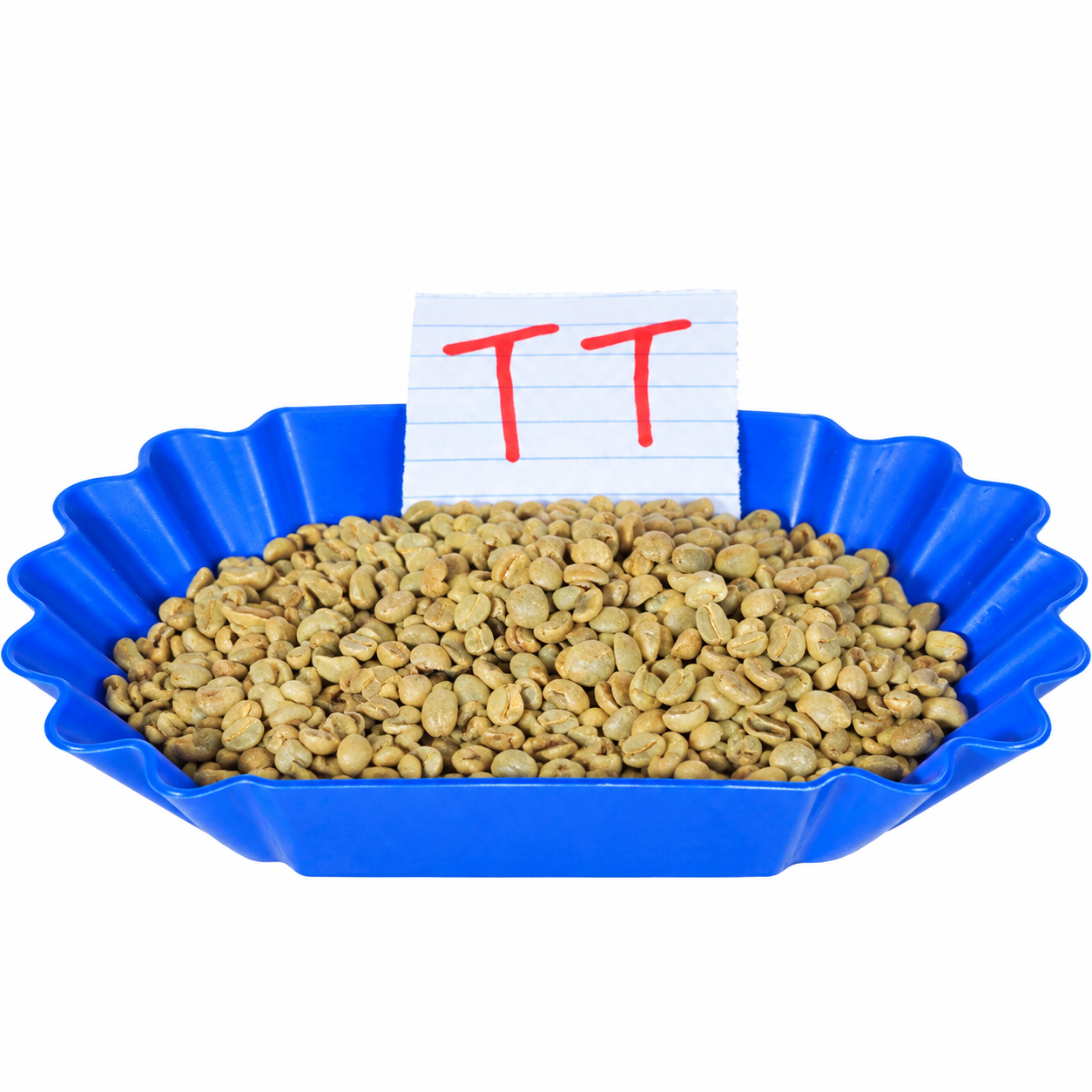
Coffee Grade TT
Coffee Grade TT consists of lighter-density green coffee beans that are mechanically separated from primary grades like Grade AA and Grade AB during dry mill processing. Utilizing pneumatic air separators and density tables, mills pass air currents through the green coffee stream; lighter, less dense beans are blown upward and grouped as Grade TT.