Maytac logo

Editorial

Blogs & Articles

Latest market perspectives, sourcing notes, and coffee knowledge.

The Rift Valley's Best-Kept Secret: Why Kericho Arabica AA Belongs on Your Menu

The Rift Valley's Best-Kept Secret: Why Kericho Arabica AA Belongs on Your Menu

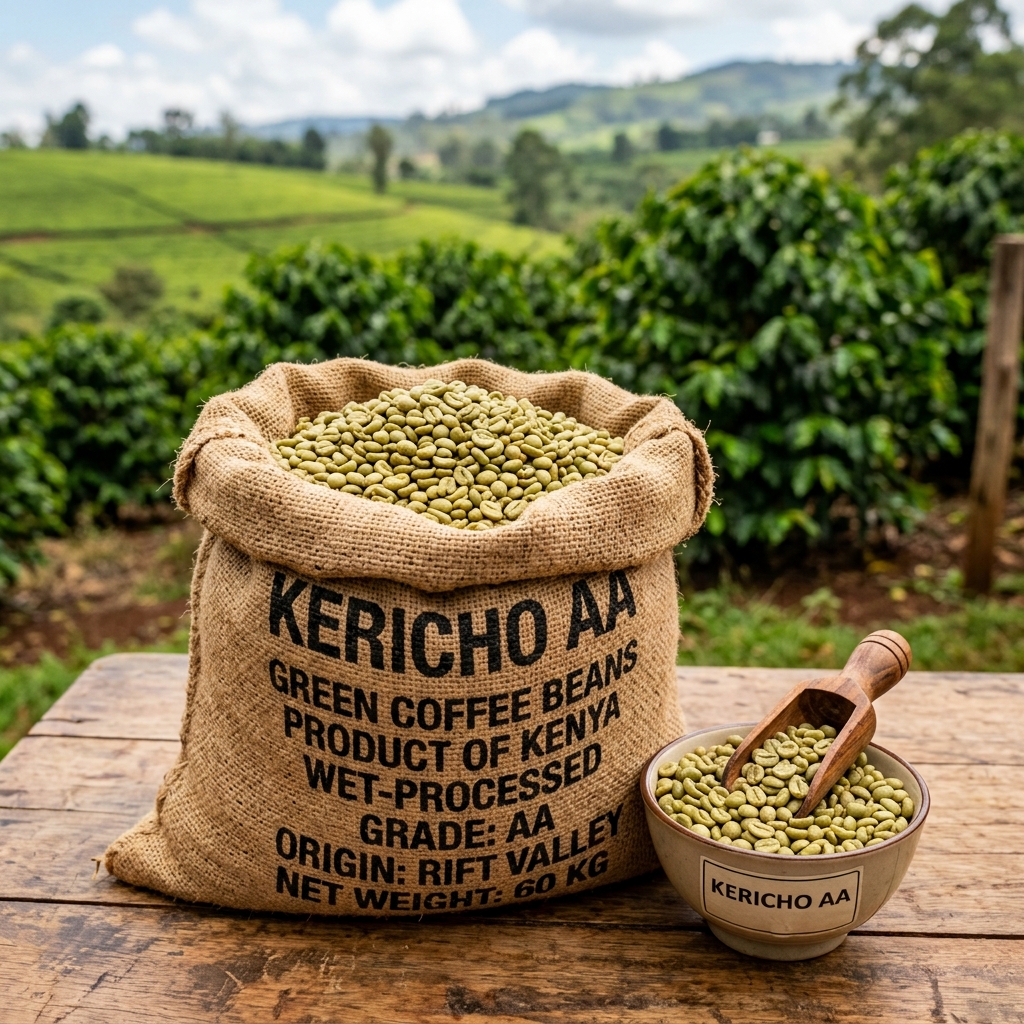
While Nyeri and Kirinyaga dominate headlines with intense phosphoric bite, Kericho County perched on the western rim of the Great Rift Valley produces one of Kenya's most balanced, versatile, and approachable specialty cups. Driven by volcanic soils, elevations up to 2,000 meters, and a double-washed processing tradition, Kericho Arabica AA combines premier Screen 17/18 physical density with structured malic acidity and rich stone fruit sweetness. For specialty roasters, adding Kericho AA unlocks exceptional roast control, reliable 81–88 SCA scores, and high-margin versatility across filter and espresso programs.
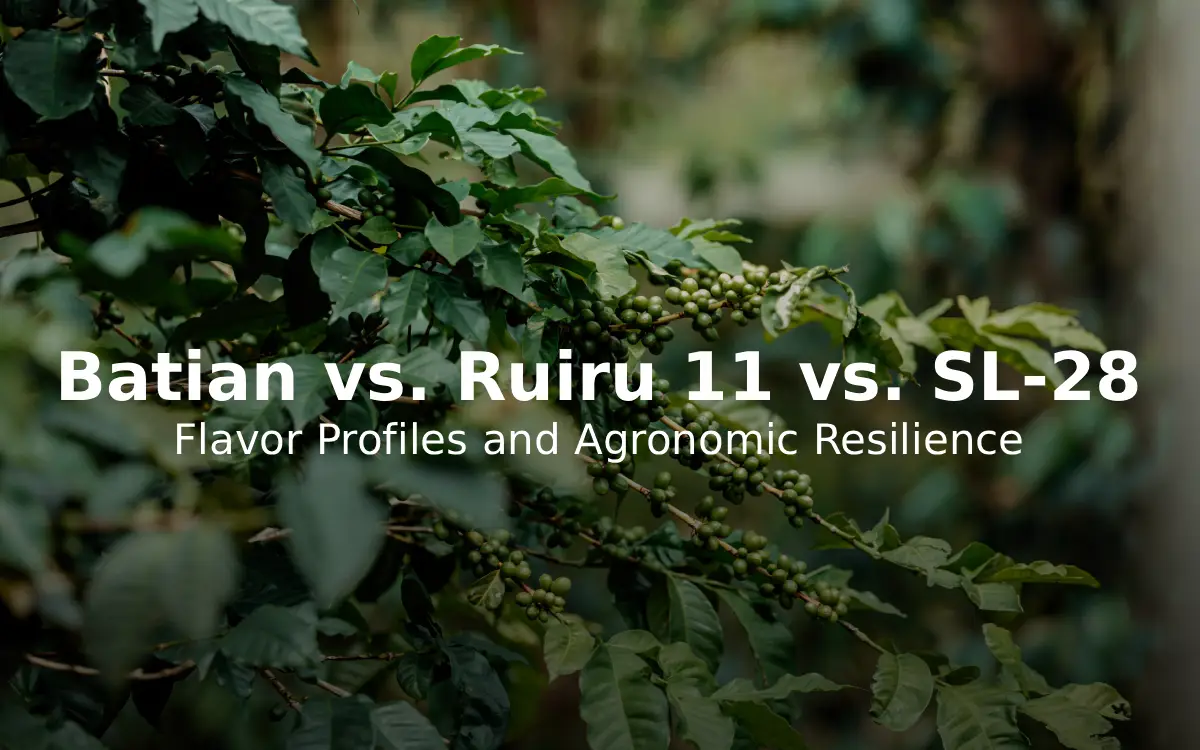
Batian vs. Ruiru 11 vs. SL-28: Flavor Profiles and Agronomic Resilience

Batian vs. Ruiru 11 vs. SL-28: Flavor Profiles and Agronomic Resilience

Kenya’s world-renowned cup profile is defined by its unique botanical history and cutting-edge agronomic research. From classic drought-tolerant heritage selections like SL-28 and SL-34 to modern, disease-resistant hybrids like Ruiru 11 and Batian, each cultivar presents distinct physical characteristics, yield dynamics, and sensory structures. For green coffee buyers, quality specialists, and roasters, evaluating how these varieties balance agronomic resilience against high-scoring cupping potential is essential for making informed sourcing decisions and building sustainable, high-value specialty coffee offerings.

The Power of Selective Hand-Picking: Why Manual Harvesting Defines Specialty Coffee Quality

The Power of Selective Hand-Picking: Why Manual Harvesting Defines Specialty Coffee Quality

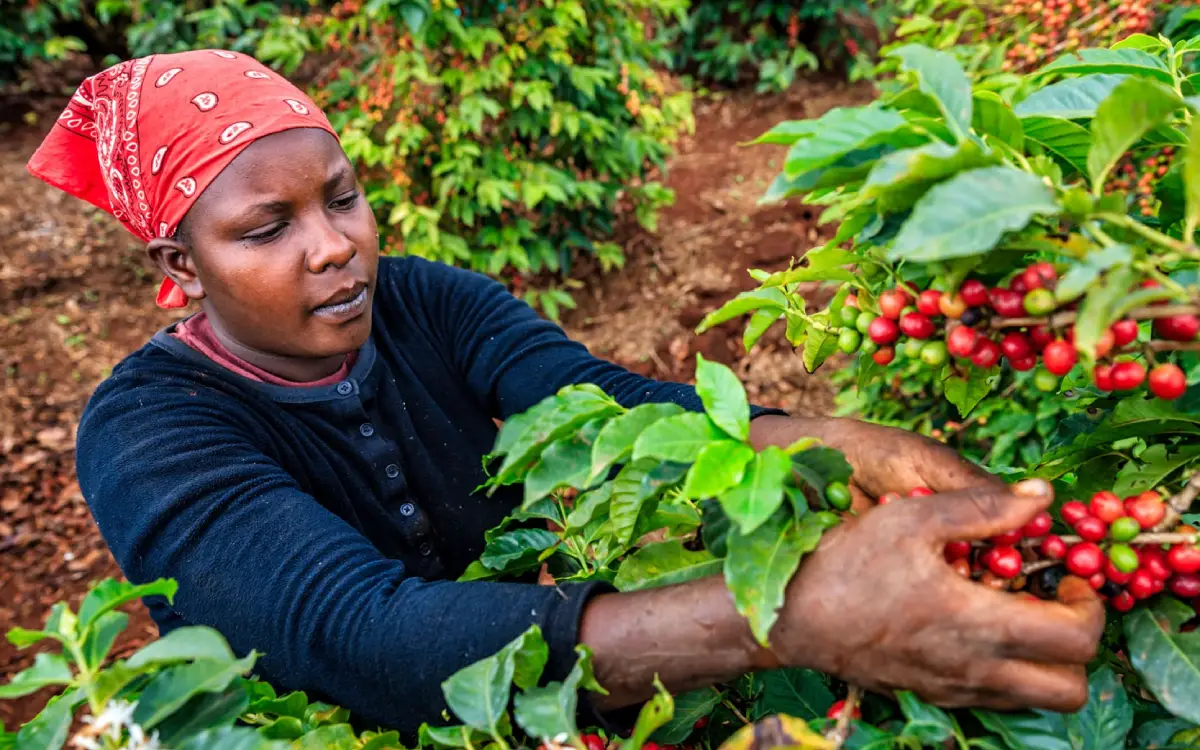
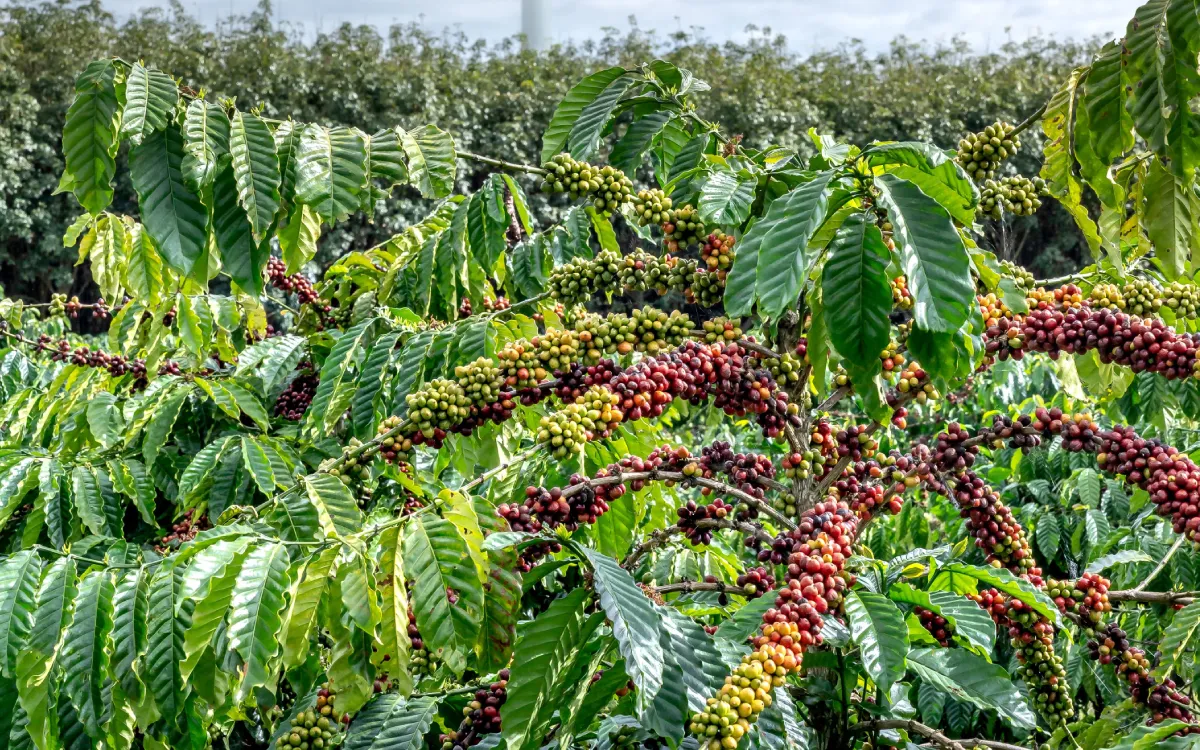
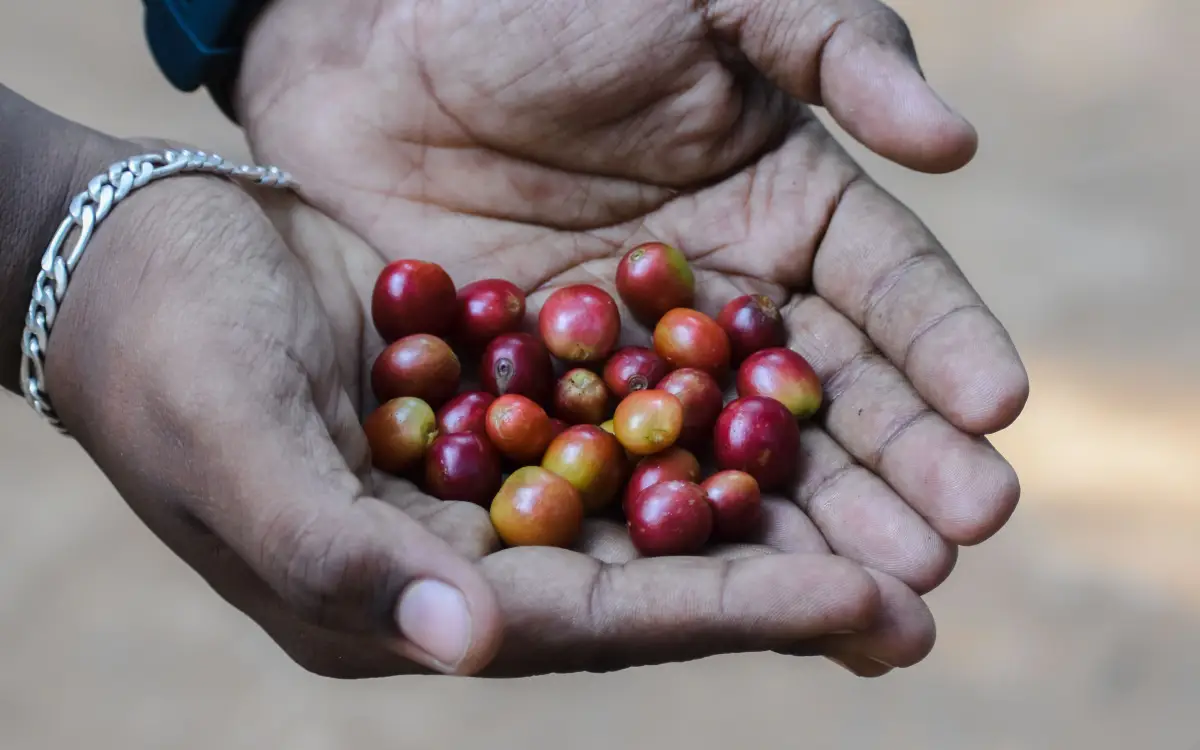
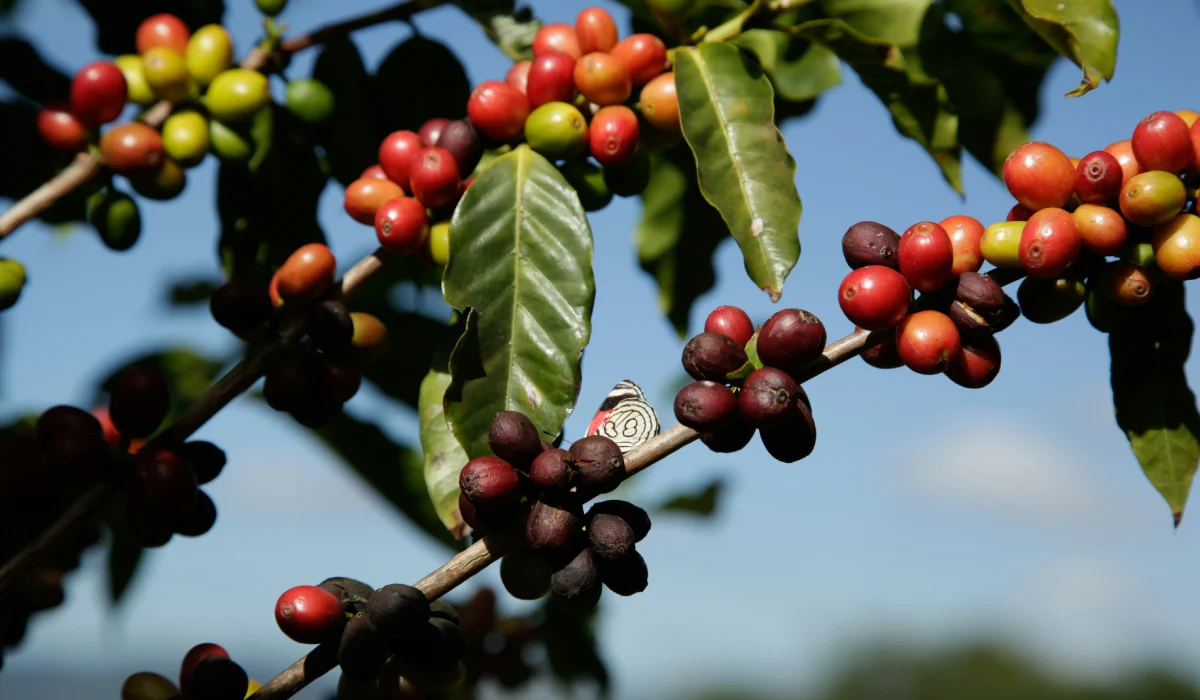
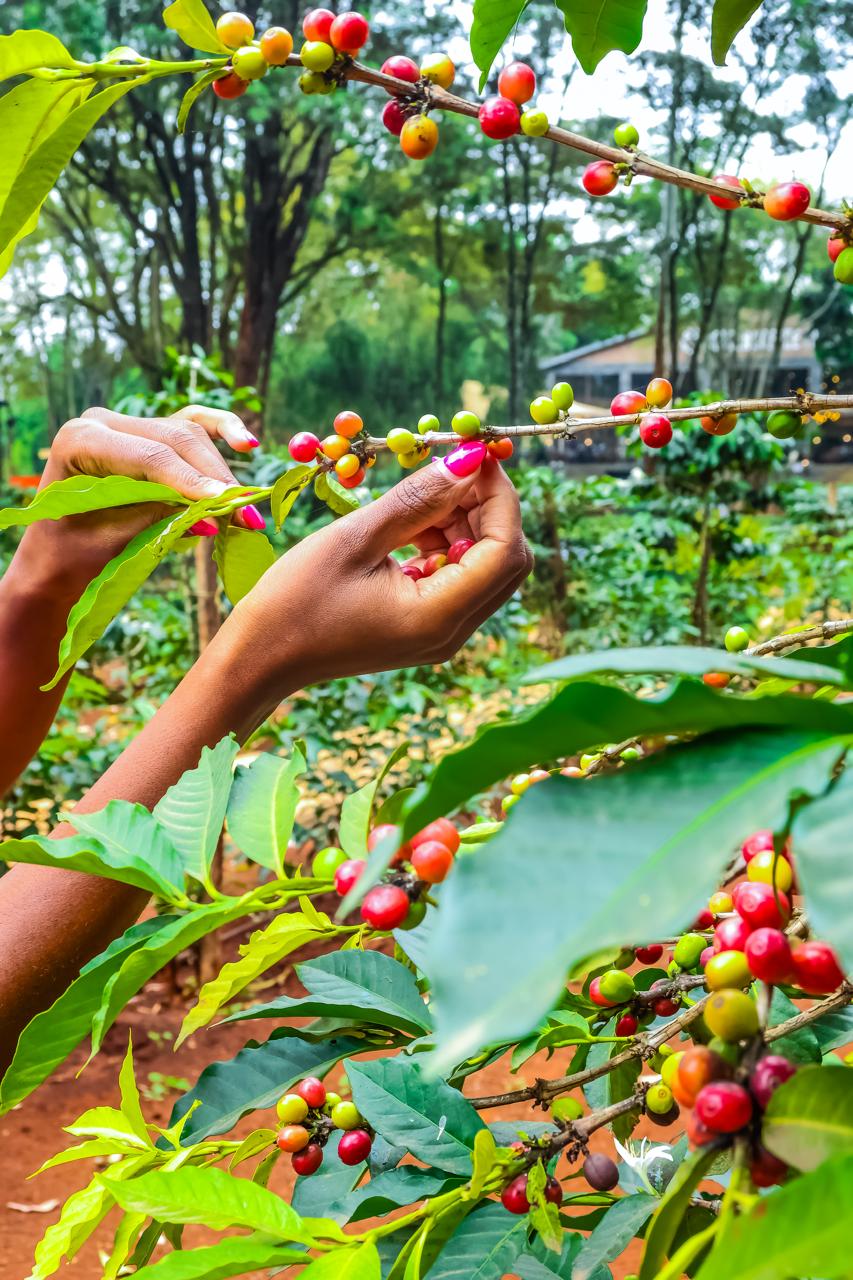
In the world of specialty coffee, extraordinary cup quality begins at the branch. Selective hand-picking is the practice of manually harvesting only perfectly ripe red coffee cherries while leaving green and under-ripe fruit behind remains the undisputed gold standard for origin quality. For specialty roasters, green coffee buyers, and importers, selective harvesting is more than a traditional farming technique; it is a vital quality-assurance step that maximizes sugar content, eliminates harvest defects, stabilizes fermentation, and protects long-term farm sustainability and yield consistency.

Traditional Fully Washed Process for Kenya Arabica Coffee: A Complete Processing Guide

Traditional Fully Washed Process for Kenya Arabica Coffee: A Complete Processing Guide

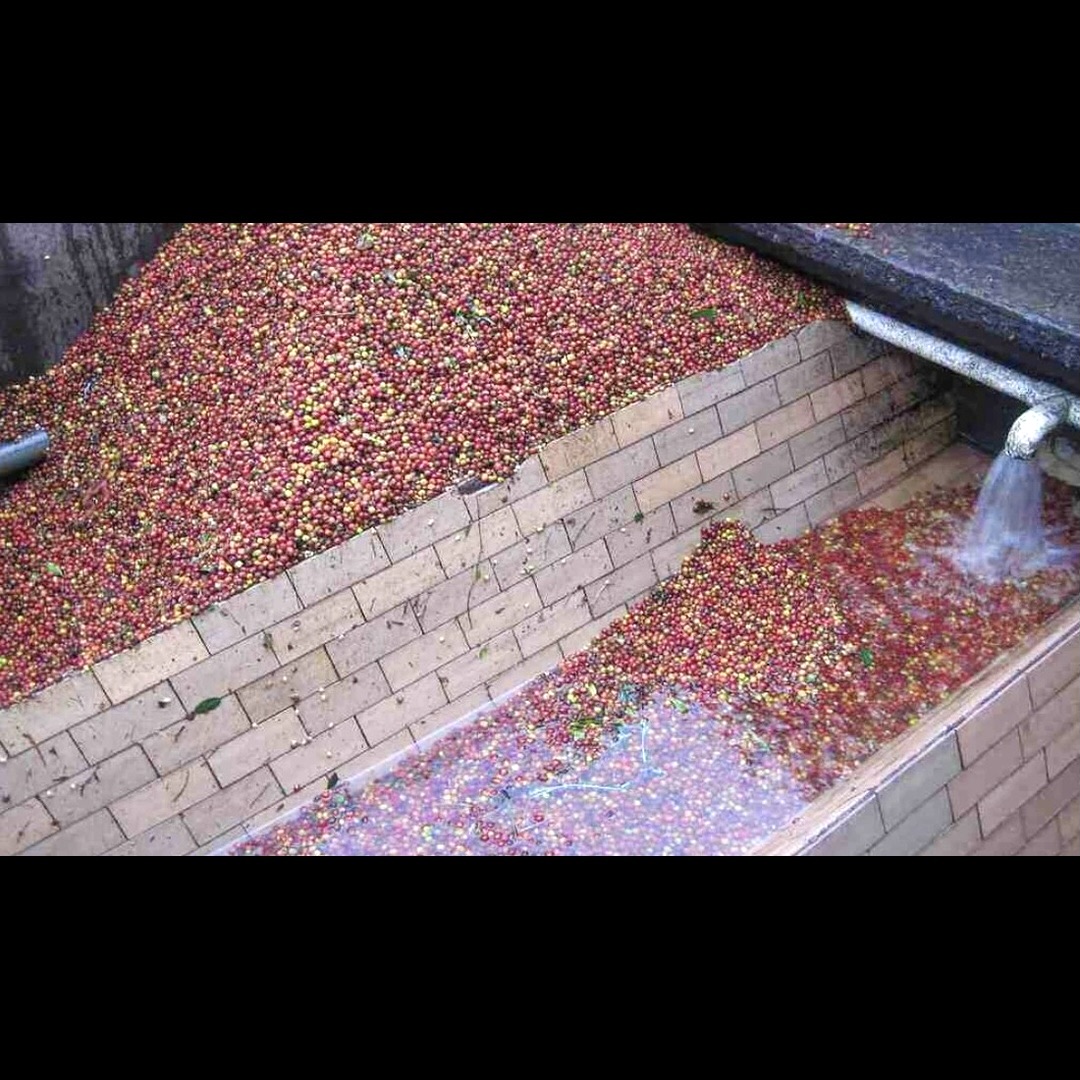
Kenya traditional fully washed process is globally recognized for producing some of the most vibrant, complex, and clean Arabica coffees in the world. Characterized by a double fermentation cycle, density channel grading, and an extended clean water soak, this post-harvest method strips away all mucilage while stabilizing seed moisture. For specialty importers, quality control managers, and roasters, understanding this meticulous processing tradition provides critical insight into why top-tier Kenyan coffee consistently delivers brilliant acidity, exquisite clarity, and exceptional shelf life.

Navigating High-Stakes Coffee Logistics: Resolving Port Delays in Kenya Specialty Export

Navigating High-Stakes Coffee Logistics: Resolving Port Delays in Kenya Specialty Export

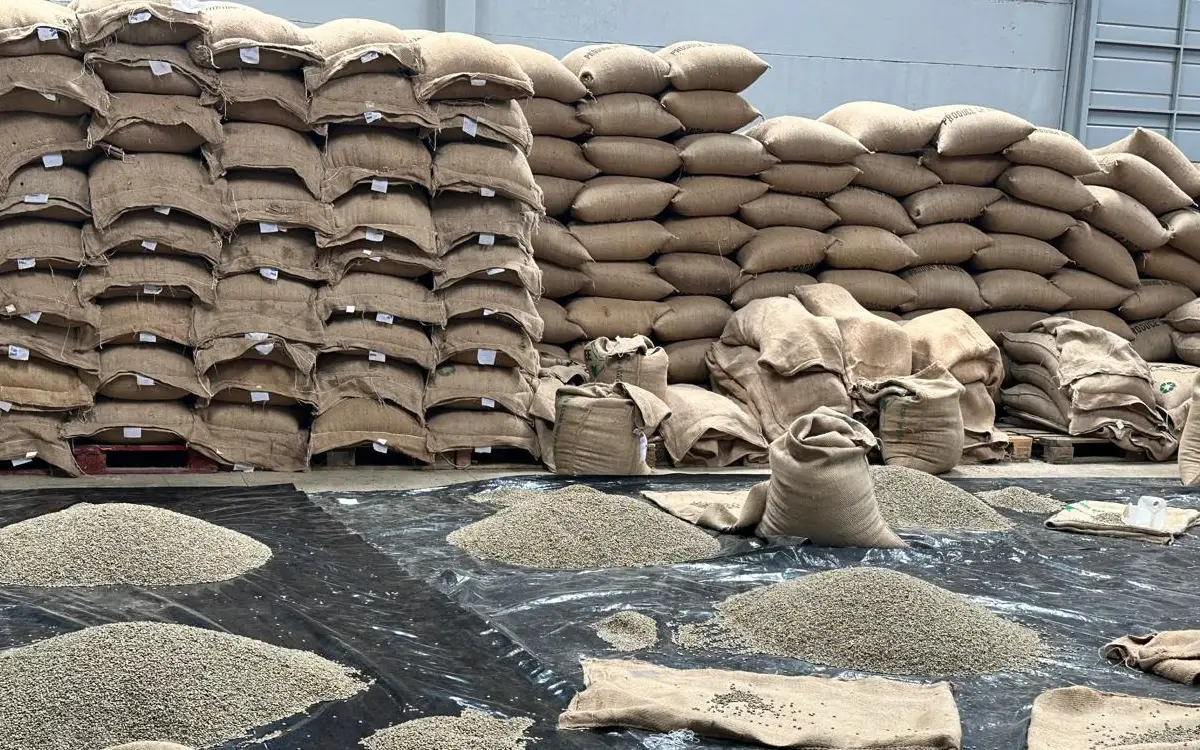
When a 500-bag container of premium Embu AA  Arabica bound for the United Kingdom was flagged at the Port of Mombasa, a $2.6 million deal hung in the balance. With vessel turnaround delays and newly tightened container inspection protocols threatening a strict buyer deadline, rapid intervention was critical. This case study details how Maytac International Partners mobilized immediate regulatory and clearing solutions to resolve port bottlenecks within four hours, safeguarding high-value green coffee shipments, protecting traceability, and ensuring seamless supply chain execution for global buyers.

Navigating the Global Coffee Market: Trends, Prices, and Opportunities for 2026

Navigating the Global Coffee Market: Trends, Prices, and Opportunities for 2026

The international coffee industry in 2026 presents a dynamic trade landscape defined by elevated price benchmarks, evolving regulatory mandates, and structural shifts across global agricultural supply chains.

From Farm to Cup: The People and Cooperatives Behind Kenya’s Finest Coffee

From Farm to Cup: The People and Cooperatives Behind Kenya’s Finest Coffee

Behind every vibrant, blackcurrant-noted cup of Kenya AA coffee lies an intricate web of human dedication, community organization, and time-honored craftsmanship.

Kenyan Coffee Varieties: A Complete Guide to the Nation’s Finest Arabica Beans

Kenyan Coffee Varieties: A Complete Guide to the Nation’s Finest Arabica Beans

Kenya has earned global recognition for its exceptional specialty coffee. Over 99% of Kenyan coffee is Arabica, and the country produces some of the world's most sought-after beans.

Kenya Coffee Grades Explained: AA vs. AB vs. PB – What Buyers Need to Know

Kenya Coffee Grades Explained: AA vs. AB vs. PB – What Buyers Need to Know

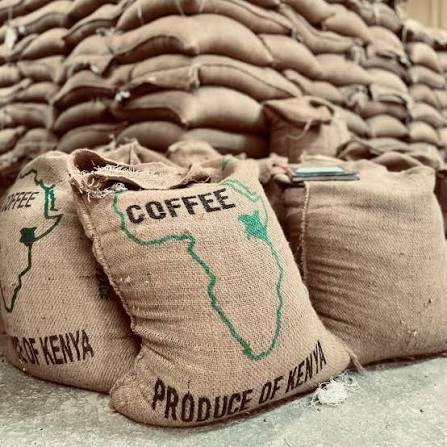
Kenya’s green coffee classification is one of the world's most rigorous, standardized grading systems. Driven primarily by physical screen size, density, and cherry geometry during dry milling, grades like AA, AB, and PB carry distinct roast profile demands, price points, and sensory characteristics. For international green coffee buyers, quality specialists, and procurement managers, understanding how these size categories correlate with density, airflow management, and cupping scores is essential for locking in consistent contract specs, managing roast consistency, and optimizing origin purchasing strategies.

Cookie Preferences

We use essential cookies for secure site operation. You can also allow analytics and marketing cookies for improved performance and ad relevance.