
From Farm to Cup: The People and Cooperatives Behind Kenya’s Finest Coffee
Behind every vibrant, blackcurrant-noted cup of Kenya AA coffee lies an intricate web of human dedication, community organization, and time-honored craftsmanship.
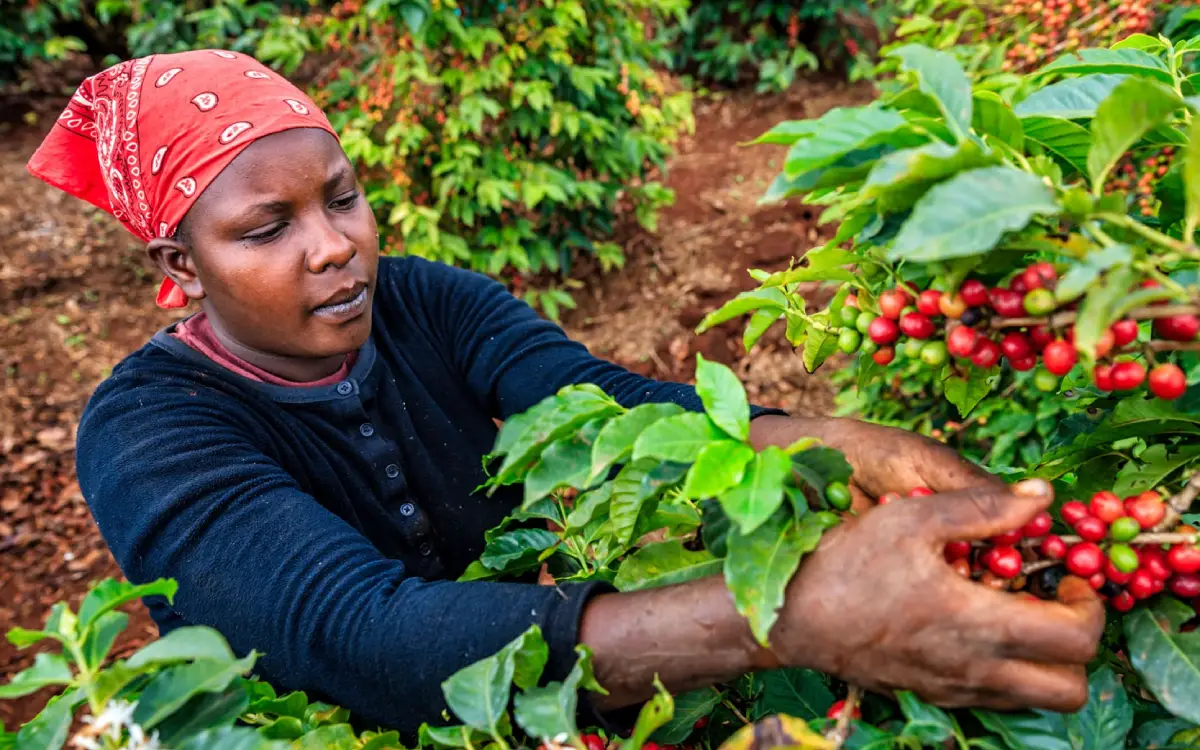
While large commercial estates contribute a portion of the national yield, over 70% of Kenya’s premium Arabica is cultivated by smallholder farmers operating on plots of under two acres. These farmers are the backbone of Kenyan coffee cooperatives, bridging rural agriculture with international specialty markets.
1. The Smallholder Farmer: Cultivating the Volcanic Highlands
The journey begins on the nutrient-rich, red volcanic soils (Nitisols) surrounding Mount Kenya, the Aberdare Range, Kisii, and the Rift Valley highlands.
-
Micro-Scale Farming: Typical smallholder coffee farmers in Kenya manage between 100 and 300 coffee trees alongside shade trees, food crops, and livestock.
-
Meticulous Husbandry: Farmers perform year-round tree management, including selective pruning, organic mulching, and manual weeding to protect delicate SL28 and SL34 cultivars.
-
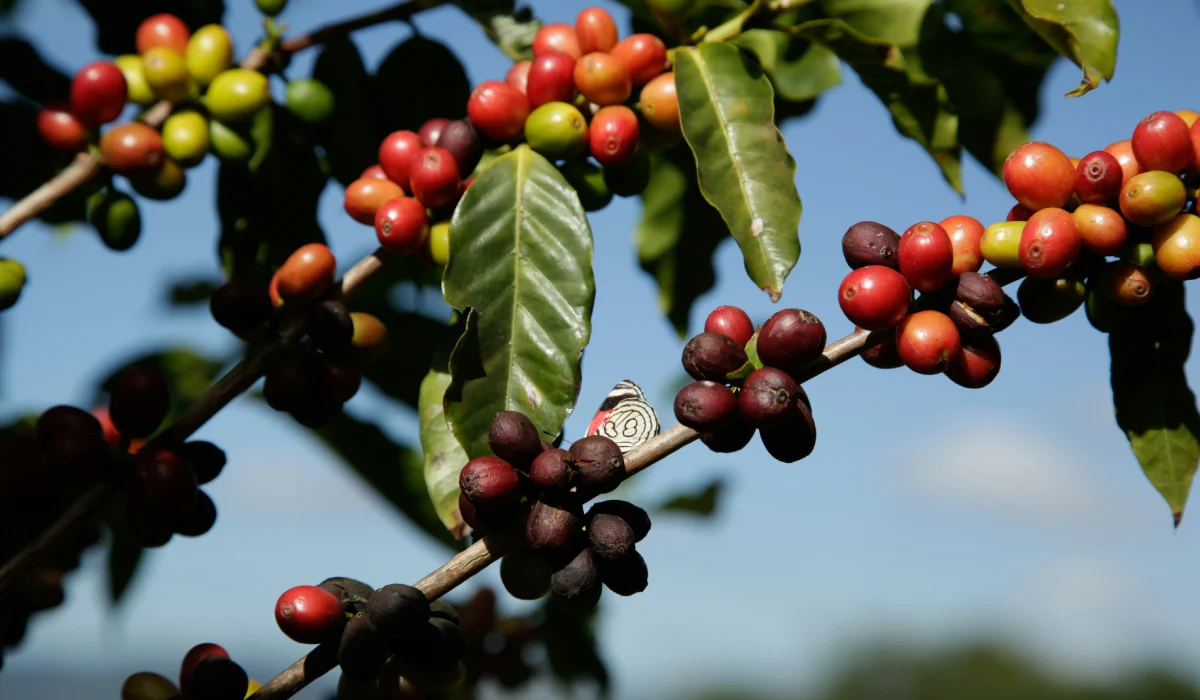
Selective Harvesting: During harvest season (October to December main crop, June to August early crop), farmers hand-pick only fully ripe, deep-red cherries—leaving green or overripe fruit on the branch to preserve lot quality.
2. Farmers Cooperative Societies (FCS): Power in Unity
Individual smallholders cannot afford the heavy machinery required to process green coffee. Instead, they organize into Farmers Cooperative Societies (FCS)—local institutions that aggregate output, manage infrastructure, and distribute revenues.
-
Primary Wet Mills (Factories): Cooperative societies operate community washing stations, locally termed "factories." On harvest days, farmers transport their freshly picked cherries directly to their affiliated factory via bicycles, wheelbarrows, or light trucks.
-
Community Governance: An elected management board oversees factory operations, ensuring transparent weighing, fair cherry grading, and equitable payout disbursements.
-
Bulk Input Financing: FCS networks leverage collective buying power to secure fertilizers, high-quality pruning tools, and climate-resilient seedlings for member farmers at wholesale rates.
3. The Wet Mill: Transforming Cherries into Parchment
The signature clean acidity and brilliant fruit notes of Kenyan coffee are defined at the cooperative factory stage through Kenya’s famous double-fermentation wet process:
| Stage | Process Mechanism | Impact on Cup Quality |
| 1. Reception & Sorting | Cherries are floated in water tanks to remove light, defective fruit ("floaters"). | Guarantees only dense, fully developed seeds enter pulping. |
| 2. Mechanical Pulping | Disc pulpers remove outer skin and fruit pulp from the parchment seed. | Exposes mucilage layer for controlled fermentation. |
| 3. Double Fermentation | Dry fermentation (12–24 hrs), followed by washing and underwater soaking (12–24 hrs). | Cleanses mucilage, stabilizes organic acids, and clarifies flavor profile. |
| 4. Raised Bed Drying | Parchment coffee is dried on elevated wooden "African beds" for 7 to 14 days. | Brings moisture content down to a stable 10.5%–11.5%. |
4. Commercialization: From Mills to Global Markets
Once dry, parchment coffee moves from primary cooperatives to secondary institutions in the farm-to-cup Kenya coffee value chain:
-
Dry Milling: Central dry mills strip the parchment hull, mechanically grade beans by screen size (e.g., Kenya AA, AB, PB), and remove density defects using gravity tables and optical sorters.
-
Auction or Direct Trade: Coffee is marketed either through the transparent weekly bidding at the Nairobi Coffee Exchange or via "Second Window" direct trade contracts between cooperatives and international specialty importers.
-
Roasting & Extraction: Global roasters apply light-to-medium roast profiles, preserving the bright phosphoric acidity and fruit complexity crafted by smallholders in Kenya’s highlands.
FAQs
What role do Farmers Cooperative Societies (FCS) play in Kenya's coffee sector?
Farmers Cooperative Societies aggregate smallholder crops, manage central wet processing factories, market green coffee lots, and provide farmers with credit, farm inputs, and agricultural training.
How much of Kenya's coffee is grown by smallholder farmers?
Approximately 70% of Kenya’s total coffee production comes from over 700,000 smallholder farmers organized across hundreds of primary cooperative societies.
What is a coffee "factory" in the Kenyan context?
In Kenya, a coffee factory is a wet processing station managed by a cooperative society where local smallholders deliver fresh cherries for floating, pulping, fermentation, washing, and sun-drying.
Why is selective picking so important for Kenyan coffee cooperatives?
Selective picking ensures only fully mature cherries with optimal sugar content enter the pulping process, preventing astringent or sour off-flavors and ensuring high cupping scores.