
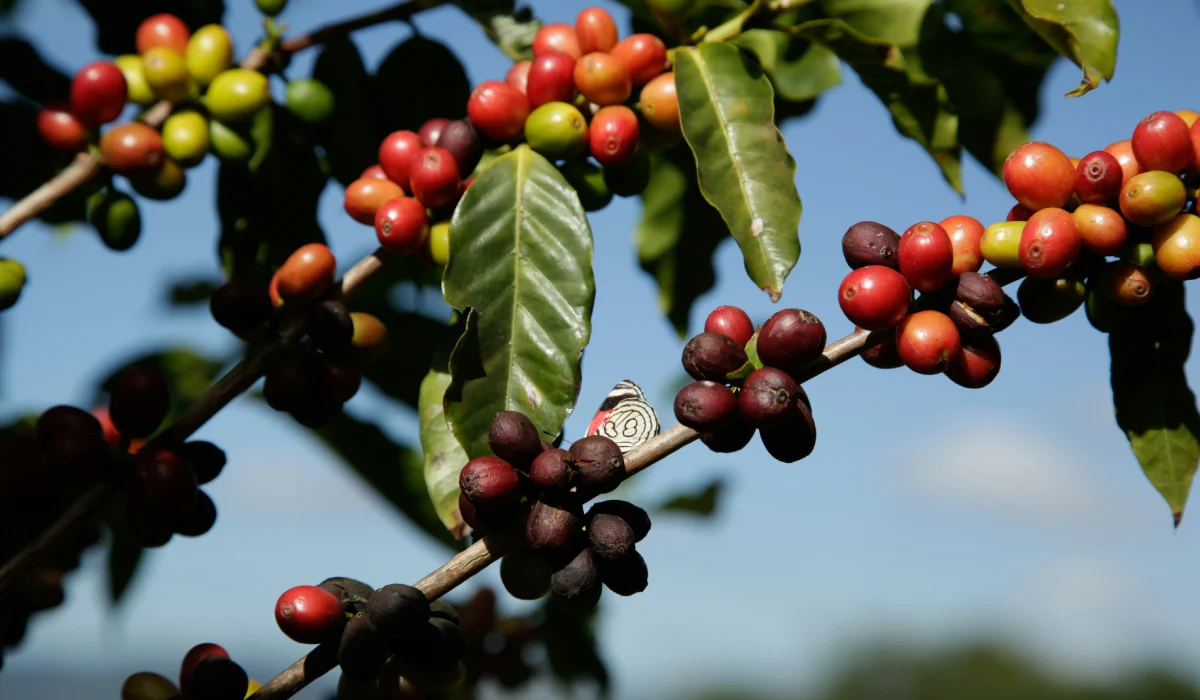
Navigating the Global Coffee Market: Trends, Prices, and Opportunities for 2026
The international coffee industry in 2026 presents a dynamic trade landscape defined by elevated price benchmarks, evolving regulatory mandates, and structural shifts across global agricultural supply chains.
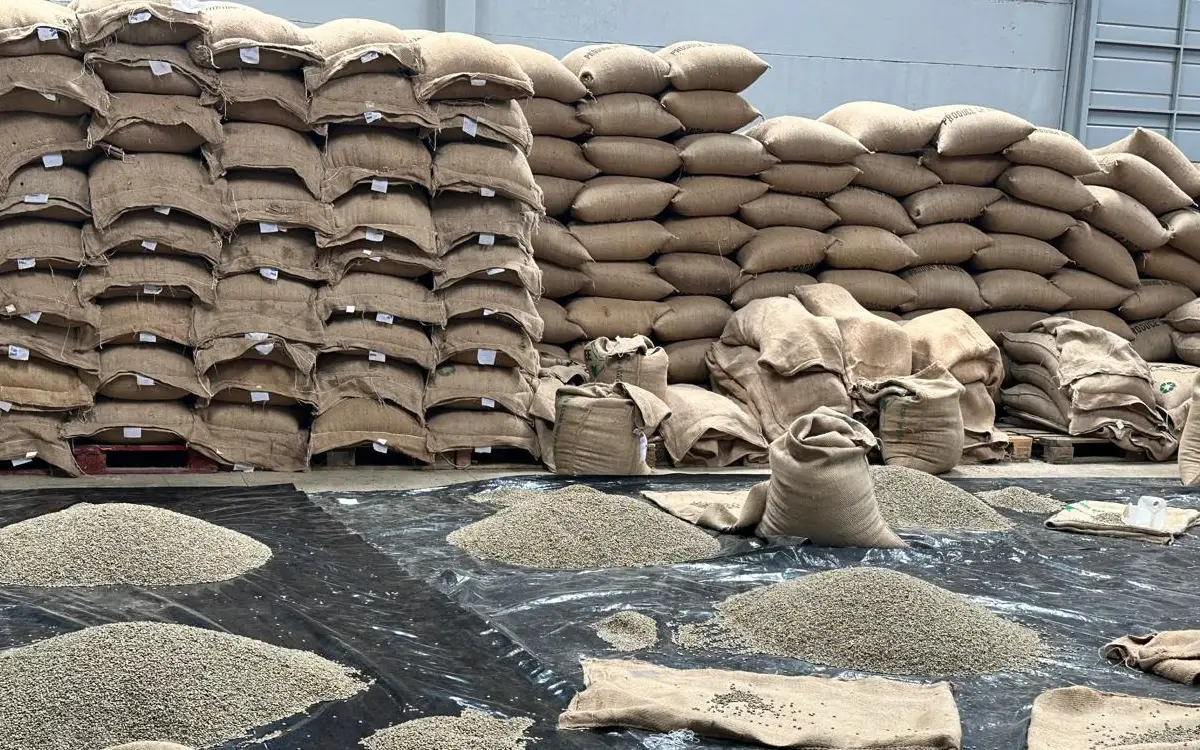
As global market valuation expands beyond $250 billion, roasters, commercial green coffee buyers, exporters, and coffee investors face a complex market environment. Understanding the macro-level supply disruptions, futures exchange behavior, shifting consumer demands, and emerging sourcing channels is essential for navigating the global coffee market effectively this year.
1. Macro Supply & Demand Drivers Shaping 2026
The global trade architecture for raw green coffee continues to balance between rising consumer demand in emerging markets and localized agricultural supply shocks. According to trade data from the International Coffee Organization (ICO), overall production volume is recovering, yet weather volatility in top origin countries maintains a tight supply buffer.
-
Climate Volatility at Origin: Extreme weather events—ranging from frost risks and extended dry spells in Minas Gerais, Brazil, to erratic monsoon patterns across Vietnam's Central Highlands—have created historic yield swings. These climate vulnerabilities directly impact long-term production forecasts for both Coffea arabica and Coffea canephora (Robusta).
-
Surging Consumption in Asian Markets: While traditional consuming regions across North America and Europe account for over 50% of global coffee imports, domestic consumption across East and Southeast Asia is growing at its fastest pace in history. China, South Korea, and Southeast Asian urban centers are driving unprecedented demand for RTD (ready-to-drink) cold coffees and specialty espresso beverages.
-
EUDR Compliance and Regulatory Pressures: The European Union Deforestation Regulation (EUDR) has reshaped how green coffee enters European ports. Importers now mandate strict geolocated plot mapping, zero-deforestation verifications, and complete supply chain traceability down to the farm level, altering traditional buyer-supplier relationships.
2. Commodity Pricing Analysis: ICE Futures & Price Spreads
Green coffee pricing in 2026 is marked by elevated baseline prices across both commodity futures markets—the Intercontinental Exchange (ICE) New York contract for Arabica and the ICE London contract for Robusta.
The historically wide price gap between Arabica and Robusta has narrowed significantly. Elevated Robusta prices—driven by tight Vietnamese export availability—have pushed commercial blenders to alter traditional espresso formulations. Rather than relying on lower-grade Robusta to manage margins, roasters are increasingly substituting mid-tier Brazilian Naturals and high-yielding Arabica hybrids to preserve flavor consistency.
3. Key Opportunities in the 2026 Specialty Coffee Segment
Despite high commodity baseline costs, the specialty coffee trade continues to outperform standard commercial benchmarks. Consumers are increasingly willing to pay a premium for single-origin traceability, unique experimental processing, and distinctive cup profiles.
-
High-Acidity East African Origins: Demand for high-altitude Arabicas with intense acidity and fruit complexity remains exceptionally strong. High-grade origins, such as premium Kenyan specialty coffee, continue to capture top pricing differentials at international auctions due to their distinct blackcurrant and citrus flavor profiles.
-
Experimental Fermentation Micro-Lots: Anaerobic, carbonic maceration, and thermal shock processing methods have moved from niche competitions into mainstream commercial specialty menus. Exporters who master controlled fermentation tanks are securing substantial financial returns above traditional washed or natural processing baselines.
-
Direct Trade Partnerships: To hedge against C-market volatility, specialty roasters are bypassing speculative futures pricing by establishing direct trade contracts with farming cooperatives. Read more about how smallholder farmers and coffee cooperatives build resilient farm-to-cup supply systems.
4. Strategic Procurement Guidance for Roasters and Importers
To protect profit margins and maintain product quality throughout 2026, green coffee buyers and procurement managers should adopt proactive sourcing strategies:
-
Implement Forward Contracting: Secure long-term delivery contracts 6 to 12 months in advance to lock in origin differentials before peak harvest price surges occur.
-
Diversify Regional Sourcing Portfolios: Avoid over-reliance on a single geographic region by spreading green coffee contracts across South America, Central America, East Africa, and Asia-Pacific origins.
-
Audit Compliance Documentation Early: Ensure that origin suppliers possess full GPS mapping records, environmental certifications, and digital export documentation to prevent delays at import customs checkpoints.
-
Leverage Quality Refractometry and Grading: Work with Q Graders to scientifically evaluate extraction parameters and green bean density, ensuring purchased lots yield maximum flavor efficiency during roasting.
FAQs
Why are global coffee market prices higher in 2026?
Global coffee market prices are elevated due to persistent climate-related supply disruptions in Brazil and Vietnam, rising international freight rates, strict regulatory compliance costs (such as EUDR traceability mandates), and surging domestic consumption in Asian markets.
How does the ICE Arabica "C" Contract affect green coffee pricing?
The ICE Arabica "C" Contract serves as the world benchmark futures price for physical Arabica coffee. Specialty green coffee lots are generally traded at a "differential" (a dollar premium added to or subtracted from the C-market base price) depending on cupping score, origin, and bean grade.
What impact is the EUDR having on international coffee trade?
The EU Deforestation Regulation requires importer entities to prove that green coffee imported into the European market was not grown on recently deforested land after 2020. This requires GPS mapping of farm plots, traceable supply chains, and robust digital documentation from exporters.