
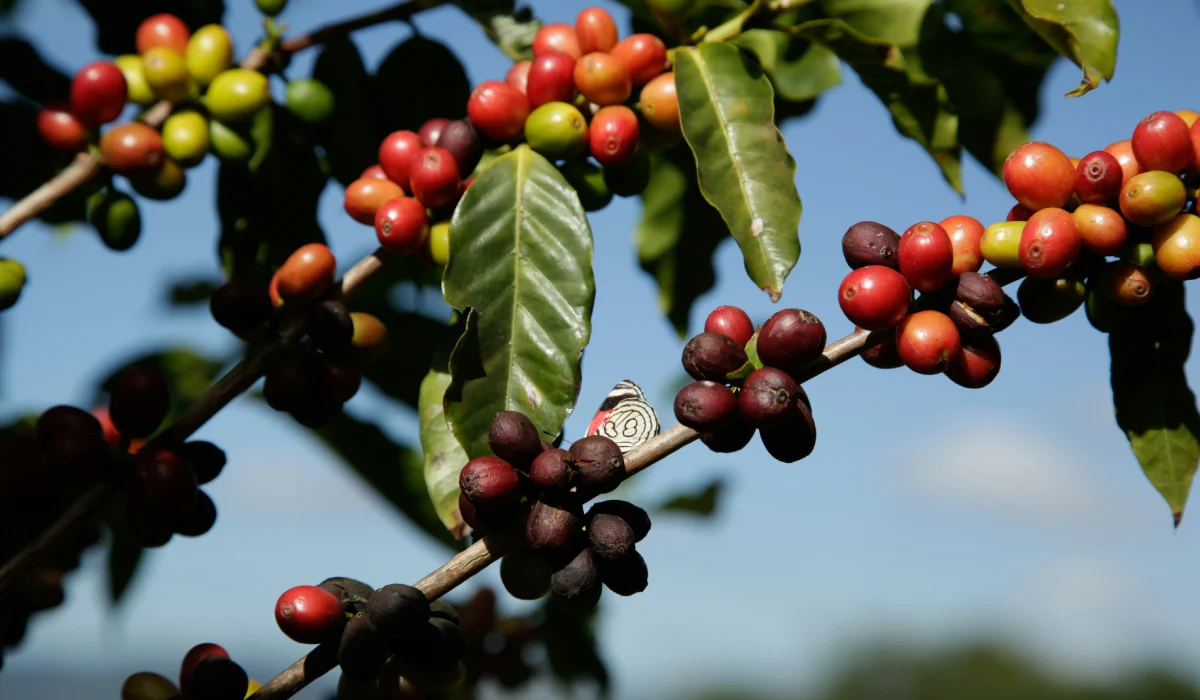
Coffee Grade
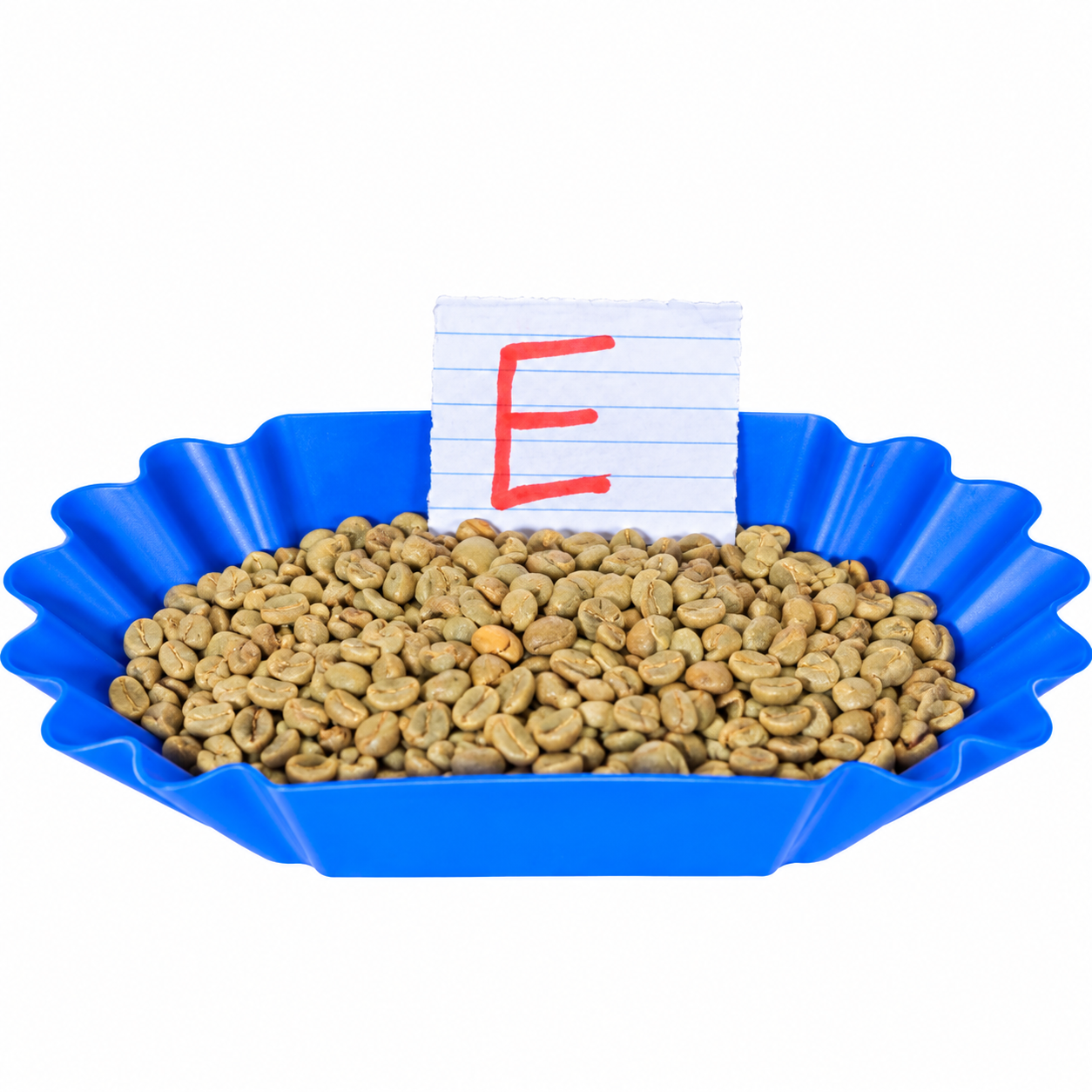
Coffee Grade E (Elephant)
Coffee Grade E, famously known as Elephant Beans, represents the largest physical coffee seeds produced in the coffee world. Classified above Screen 20 (retained on perforations larger than 7.94 millimeters), Grade E beans are visually striking, oversized seeds created by genetic traits or natural botanical phenomena where two embryonic seeds fuse together inside a single cherry.
Products
0
Regions
0
Positioning
Premium Quality
Coffee Grade
Coffee Grade E (Elephant)
Coffee Grade E, famously known as Elephant Beans, represents the largest physical coffee seeds produced in the coffee world. Classified above Screen 20 (retained on perforations larger than 7.94 millimeters), Grade E beans are visually striking, oversized seeds created by genetic traits or natural botanical phenomena where two embryonic seeds fuse together inside a single cherry.
Grade Story
Primarily harvested from specific high-yielding cultivars like Maragogipe or Pacamara, or occurring naturally in heirloom East African varieties, Grade E green coffee is exceptionally rare. When meticulously harvested and processed, Grade E beans deliver an exotic, soft sensory profile characterized by delicate floral aromas, balanced winey acidity, and sweet, juicy body. Due to their limited availability, unusual physical presence, and distinct flavor characteristics, Elephant Beans command premium prices in niche specialty markets, serving as exclusive single-origin offerings for boutique roasters and coffee collectors.
Coffee Grade E, or Elephant Grade, stands out as one of the most visually distinctive categories in green coffee trade. Unlike standard screen sizing classifications that span a continuous scale from Screen 15 to Screen 18, Grade E beans exist at the absolute upper extreme of physical dimensions. These oversized green coffee beans captivate roasters and consumers alike with their remarkable size, often measuring double or triple the volume of standard green coffee seeds.
Botanical Mechanisms and Physical Sizing
The formation of Grade E coffee occurs through two primary agricultural and botanical pathways:
-
Specific Varietal Genetics: Certain coffee cultivars naturally produce massive cherries and giant seeds. The most famous example is Maragogipe (a natural mutant of Typica discovered in Brazil) and its hybrid descendant Pacamara (a cross between Pacamara and Maragogipe). These plants naturally produce massive foliage, fruit, and seeds.
-
Genetic Fusion (Ears/Twins): In standard East African washing stations and dry mills (such as in Kenya, Tanzania, and Ethiopia), Grade E beans form when two distinct seed embryos fuse together within a single cherry during growth. As the fruit matures, these fused seeds expand dramatically, creating a large, winged, or ear-shaped bean structure.
Mechanically, Grade E green coffee beans are defined as Screen 20+, meaning they pass through specialized mill sieves and are retained on perforations exceeding 20/64ths of an inch (approximately 7.94 mm). During milling, dry mills use specialized gravity tables to separate these giant beans without damaging their fragile physical edges. To explore standard green coffee defect classifications and physical screen grading guidelines, coffee importers can review materials from the Specialty Coffee Association (SCA).
The Cupping Experience of Elephant Beans
The flavor profile of Grade E coffee is heavily influenced by the care taken during cultivation, picking, and roasting. Because Elephant Beans are large, they require longer maturation periods on the coffee tree, allowing complex sugars and organic acids to synthesize within the seed matrix.
When cupped by coffee professionals, high-scoring Grade E lots showcase a delicate, elegant sensory spectrum:
-
Subtle, Delicate Acidity: Gentle malic and soft citric acidity, offering notes of ripe peach, red apple, and sweet plum.
-
Complex Floral Aromas: High-toned jasmine, honeysuckle, and orange blossom floral notes that perfume the cup.
-
Smooth, Rounded Body: A light-to-medium, velvety mouthfeel accompanied by deep honey, brown sugar, and cocoa sweetness.
-
Clean, Lingering Finish: A smooth, tea-like finish with sweet herbal or spicy nuances.
International trade conditions, production volume metrics, and export statistics for rare specialty origins are regularly documented by global organizations like the International Coffee Organization (ICO).
Market Rarity and Specialty Roasting Considerations
Because Grade E beans represent a tiny percentage of any harvest—often less than 1% to 2% of total farm output—they are rarely traded on standard auction boards like the Nairobi Coffee Exchange. Instead, they are sold directly to specialty importers, boutique roasters, and micro-lot coffee auctions at a significant price markup.
For coffee roasters, Grade E presents a thrilling but delicate roasting challenge. Due to their large physical surface area and varying density (especially in fused "ear" beans), thermal application must be carefully controlled. Roasters must utilize a gentler soak or lower initial charge temperature with controlled airflow to ensure heat penetrates to the core of the giant bean without scorching the thin, outer wings. When executed correctly, Coffee Grade E yields an extraordinary, rare cup that serves as a centerpiece for specialty coffee menus.
Products
Products Under This Grade
Connect the grade standard directly to live products so buyers can move from qualification to action without friction.
No products linked yet.
FAQs
Use FAQs to answer qualification questions early and reduce hesitation before inquiry.
What is Coffee Grade E (Elephant Bean)?
Coffee Grade E represents the largest size tier of green coffee beans, defined as Screen 20+ (retained on mesh sizes larger than 7.94 mm). They occur either through giant-bean varieties like Maragogipe or through natural seed fusion during cherry development.
Are Elephant Beans better quality than Grade AA coffee?
Not automatically. While Grade E beans are physically impressive and visually striking, size does not guarantee superior cupping scores. Their quality depends entirely on farm altitude, soil nutrition, harvesting care, and roasting precision. High-quality Grade E lots offer delicate, floral, and complex cups.
Why are Grade E beans rare?
Grade E beans account for a very small fraction of a harvest. Giant varieties like Maragogipe yield less fruit per tree than standard varieties, while fused Elephant beans occur infrequently as natural mutations in washed Arabica lots.
Why is roasting Grade E coffee more challenging?
Because Grade E beans are physically large and can have uneven thickness (such as winged or fused edges), they absorb thermal energy differently than uniform beans. Roasters must apply heat carefully to avoid burning the outer edges while ensuring the dense center cooks through fully.
Where can specialty coffee buyers purchase Grade E coffee?
Grade E coffee is typically sold through specialized micro-lot auctions, direct-trade partnerships with coffee estates, or boutique green coffee importers who separate giant bean lots for exclusive specialty roaster releases.