
Coffee Grade
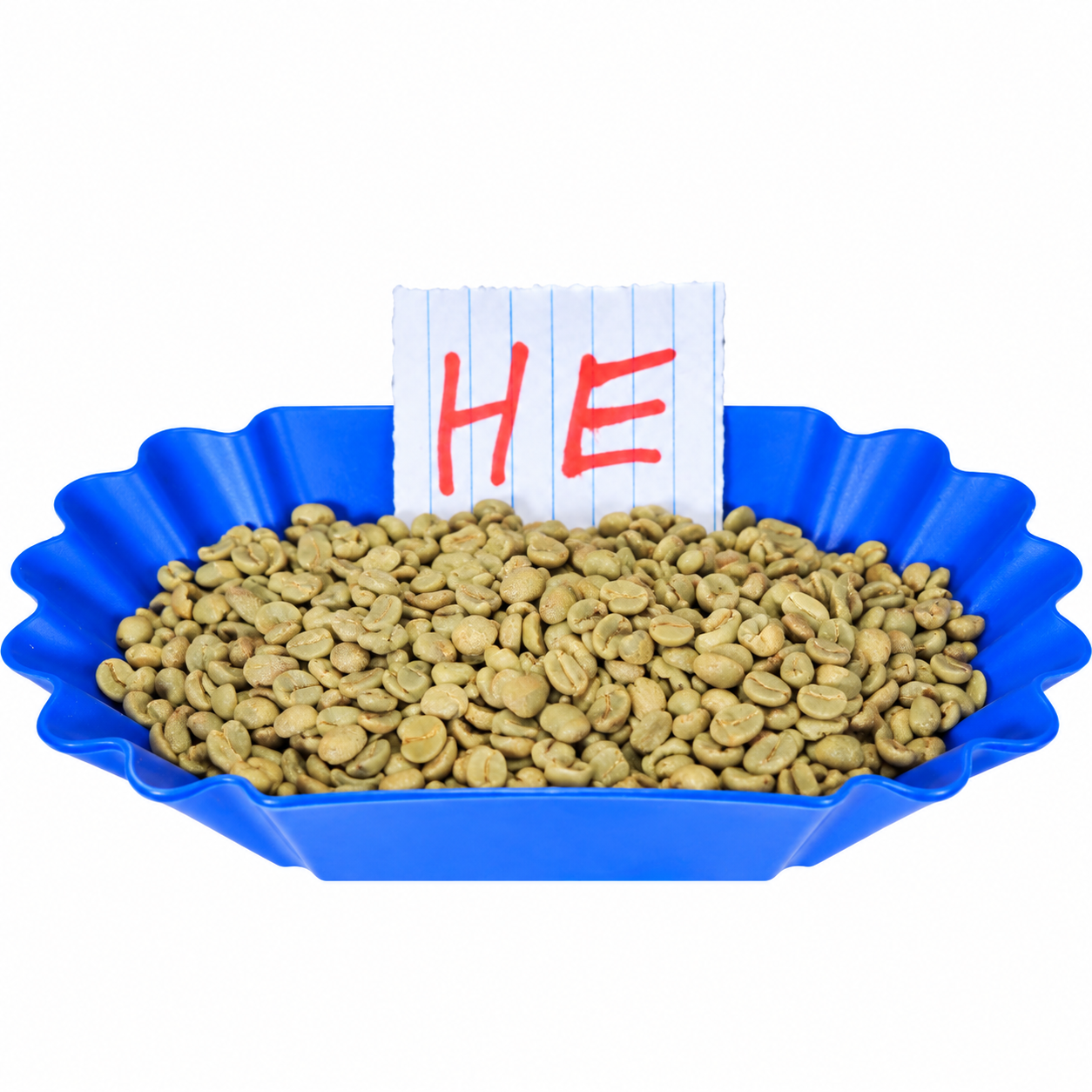
Coffee Grade HE (Hulled Ears)
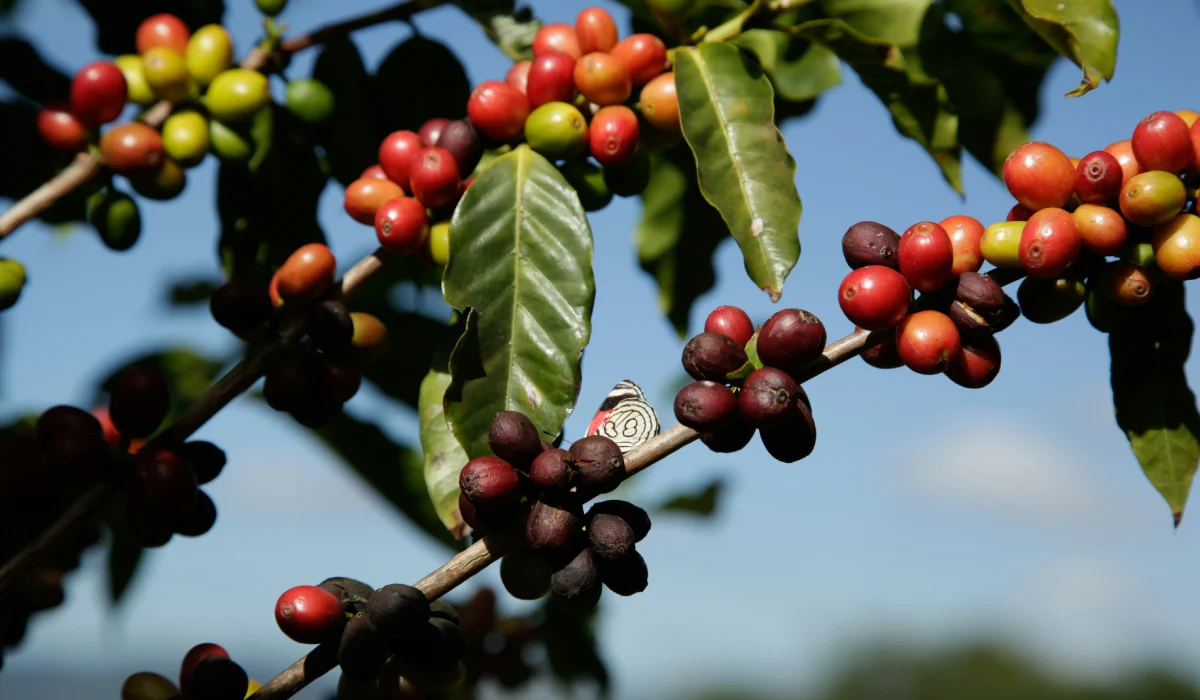
Coffee Grade HE, standing for "Hulled Ears," refers to a specialized classification of natural, dry-processed green coffee beans that exhibit a distinctive, curved, or ear-shaped physical structure. Occurring primarily when multi-seeded cherries or fused embryo seeds are dried intact within the fruit pulp and subsequently hulled, Grade HE beans are separated from standard dry-processed (Mbuni) lots during mechanical dry milling.
Products
0
Regions
0
Positioning
Premium Quality
Coffee Grade
Coffee Grade HE (Hulled Ears)
Coffee Grade HE, standing for "Hulled Ears," refers to a specialized classification of natural, dry-processed green coffee beans that exhibit a distinctive, curved, or ear-shaped physical structure. Occurring primarily when multi-seeded cherries or fused embryo seeds are dried intact within the fruit pulp and subsequently hulled, Grade HE beans are separated from standard dry-processed (Mbuni) lots during mechanical dry milling.
Grade Story
Because these beans undergo natural sun-drying inside the complete cherry casing, they absorb rich fruit sugars and mucilage compounds before the hulling process. In the cup, Coffee Grade HE yields a unique, full-bodied sensory profile featuring deep rustic sweetness, mellow winey acidity, and complex notes of dried stone fruit, cocoa nibs, and toasted spices. Widely utilized for local consumption across producing regions, clean and well-sorted Grade HE lots provide a budget-friendly, fruit-forward ingredient for commercial roasters, soluble coffee manufacturers, and custom espresso blends.
Coffee Grade HE (Hulled Ears) occupies a distinct niche within the dry-processed (natural) coffee classification framework across East Africa, particularly in Kenya, Tanzania, and Uganda. In traditional wet-milled systems, fused or abnormally shaped seeds are separated as washed Elephant beans (Grade E). However, when unwashed cherries dry naturally under the sun with the pulp and parchment intact, these structural variations undergo a different mechanical journey at the dry mill, resulting in the Hulled Ears (HE) designation.
Grade HE represents the hulled, natural counterpart to oversized and ear-shaped seeds, blending the physical quirks of fused seed botany with the intense fruit caramelization of sun-dried natural processing.
Mechanical Hulling and Physical Characteristics
When dry coffee cherries (buni) reach the dry mill, they pass through heavy-duty mechanical hullers designed to fracture and strip away the brittle, sun-dried outer husk and parchment layer. During this hulling phase, fused multi-seeded kernels or curved outer seeds break apart into distinct, concave, crescent, or "ear-shaped" pieces.
Once hulled, the green coffee stream passes over gravity tables, slotted sieves, and pneumatic sorters. The larger, curved natural seeds are collected into the Grade HE channel. Mill operators ensure that while the beans feature an irregular, ear-like physical shape, they undergo thorough air separation and optical color sorting to eliminate defective black beans, stones, or husk fragments. To learn more about green coffee physical sorting, structural classifications, and defect standards, roasters can review guidelines established by the Specialty Coffee Association (SCA).
Cupping Dynamics and Flavor Profile
Because Grade HE beans dry inside the whole coffee cherry, the raw seed absorbs high concentrations of natural fructose, glucose, and organic acids from the mucilage. This natural fermentation process creates a deep, rustic flavor profile that sets Grade HE apart from clean, crisp washed coffees.
When evaluated on the cupping table, Grade HE coffee demonstrates clear natural processing characteristics:
-
Heavy, Syrupy Body: A coat-the-mouth, velvety texture that adds strong tactile weight to espresso and filter extractions.
-
Mellow, Winey Acidity: Soft, low-toned acidity reminiscent of dark red wine, dried raisins, and ripe figs.
-
Deep Rustic Sweetness: Rich caramelized sugar notes accompanied by dark cocoa, molasses, and toasted hazelnut nuances.
-
Warm Spice Aromatics: Hints of nutmeg, baking spices, and sweet earthiness that emerge strongly during the roasting process.
Global trade information, natural coffee processing statistics, and export market distributions are routinely compiled and published by international trade bodies such as the International Coffee Organization (ICO).
Commercial Value and Application
At regional coffee auctions, including the Nairobi Coffee Exchange, Grade HE is classified alongside natural specialty and secondary grades. Offered at competitive price discounts relative to washed primary lots like Grade AA or AB, Grade HE plays several important roles in the coffee economy:
-
Local and Regional Consumption: Grade HE is a popular supply source for domestic roasting houses, hotel chains, and local markets within coffee-producing nations.
-
Espresso Blend Texture: Commercial roasters use Grade HE in espresso formulations to boost crema production, body, and sweet rustic bass notes without inflating green coffee costs.
-
Soluble and Value Products: Thanks to its high sugar content and accessible price, Grade HE serves as an efficient raw ingredient for soluble (instant) coffee manufacturing and dark-roast retail products.
By converting physically unique, sun-dried coffee seeds into a clean, functional commercial product, Coffee Grade HE provides economic sustainability for growers while offering roasters a sweet, heavy-bodied natural coffee choice.
Products
Products Under This Grade
Connect the grade standard directly to live products so buyers can move from qualification to action without friction.
No products linked yet.
FAQs
Use FAQs to answer qualification questions early and reduce hesitation before inquiry.
What does "HE" stand for in coffee grading?
In East African green coffee classification, "HE" stands for Hulled Ears. It refers to natural (dry-processed) green coffee beans that have an ear-shaped, concave, or curved physical structure after being hulled from dry coffee cherries.
How is Grade HE coffee processed?
Grade HE coffee is dry-processed (natural). Whole coffee cherries are sun-dried on raised beds or ground patios with the fruit intact. Once fully dried, mechanical hullers remove the outer husk, exposing the ear-shaped green coffee seeds within.
How does Grade HE taste compared to washed coffee?
While washed coffees offer bright, clean, citric acidity and floral notes, Grade HE delivers a much heavier body, lower acidity, and deep rustic sweetness characterized by dried fruit, dark chocolate, molasses, and warm spice flavors.
Is Grade HE the same as Grade E (Elephant) coffee?
No. Grade E consists of large, washed green coffee beans separated by screen size (Screen 20+). Grade HE consists of dry-processed (natural) ear-shaped beans that have been hulled from dried coffee cherries.
How should coffee roasters handle Grade HE green beans?
Because Grade HE beans have an irregular, curved shape and lower cellular density from natural processing, roasters should apply moderate heat with steady airflow. A balanced roast profile prevents burning the thin edges of the ear shape while unlocking rich caramel and cocoa flavors.