
Coffee Grade
Coffee Grade MH / ML (Mbuni)
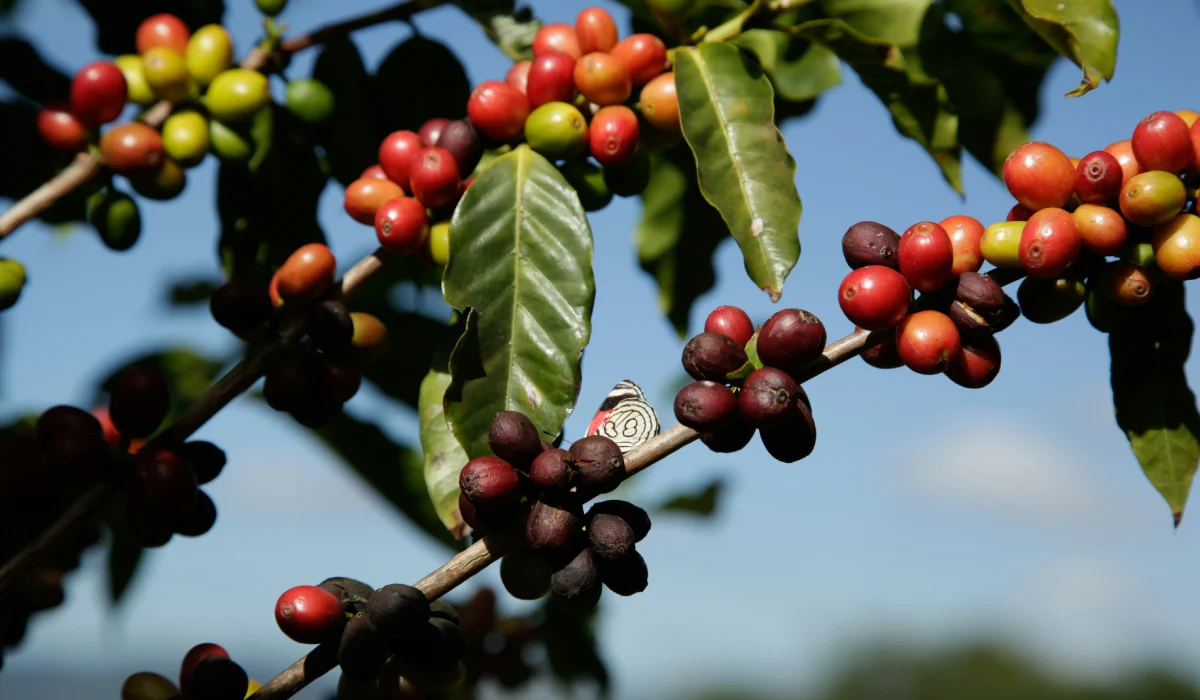
Coffee Grade MH and ML, collectively known in East Africa as Mbuni, represent natural or dry-processed green coffee beans. Unlike fully washed coffees, Mbuni beans are harvested as overripe or naturally sun-dried cherries on the coffee tree, or unwashed cherries laid out directly on raised drying beds where the fruit pulp dries intact around the seed.
Products
0
Regions
0
Positioning
Premium Quality
Coffee Grade
Coffee Grade MH / ML (Mbuni)
Coffee Grade MH and ML, collectively known in East Africa as Mbuni, represent natural or dry-processed green coffee beans. Unlike fully washed coffees, Mbuni beans are harvested as overripe or naturally sun-dried cherries on the coffee tree, or unwashed cherries laid out directly on raised drying beds where the fruit pulp dries intact around the seed.
Grade Story
Within this dry-processed category, MH (Mbuni Heavy) designates larger, denser, higher-quality beans, while ML (Mbuni Light) refers to smaller, less dense seeds. Because the coffee seed remains in contact with the fermenting cherry fruit and skin throughout the prolonged drying phase, Mbuni coffee develops a radically distinct flavor profile characterized by heavy body, sweet wild berry nuances, deep rustic dark chocolate undertones, and a winey acidity. Historically reserved for local consumption, high-grade MH lots are increasingly prized by specialty roasters for experimental single-origins and fruit-forward espresso blends.
Coffee Grade MH / ML (Mbuni) holds a unique and historically significant position in East African coffee culture, particularly across Kenya and Tanzania. While East Africa is globally celebrated for its meticulous wet-milling process—which produces clean, bright, and floral washed coffees like Grade AA and AB—Mbuni represents the traditional natural (dry-processed) method.
The name "Mbuni" originates from the Swahili word for coffee cherries that have dried naturally while still attached to the branch or dry-processed on sun-drying tables. This method allows the coffee seed to absorb natural fruit sugars and organic compounds directly from the drying fruit wall, yielding a heavy, complex, and intensely fruity cup profile.
Milling Classification: MH vs. ML
During the dry milling process, dried coffee cherries (known as "buni" pods) are hulled using mechanical dehuskers to strip away the outer dried casing and parchment. Once the raw green seeds are exposed, they are separated into two primary quality classifications using gravity tables and pneumatic air sorters:
-
MH (Mbuni Heavy): Represents dense, fully developed, large green coffee beans. MH lots retain excellent cellular structure, absorb heat consistently during roasting, and deliver clean, intense fruit sweetness with minimal earthy astringency.
-
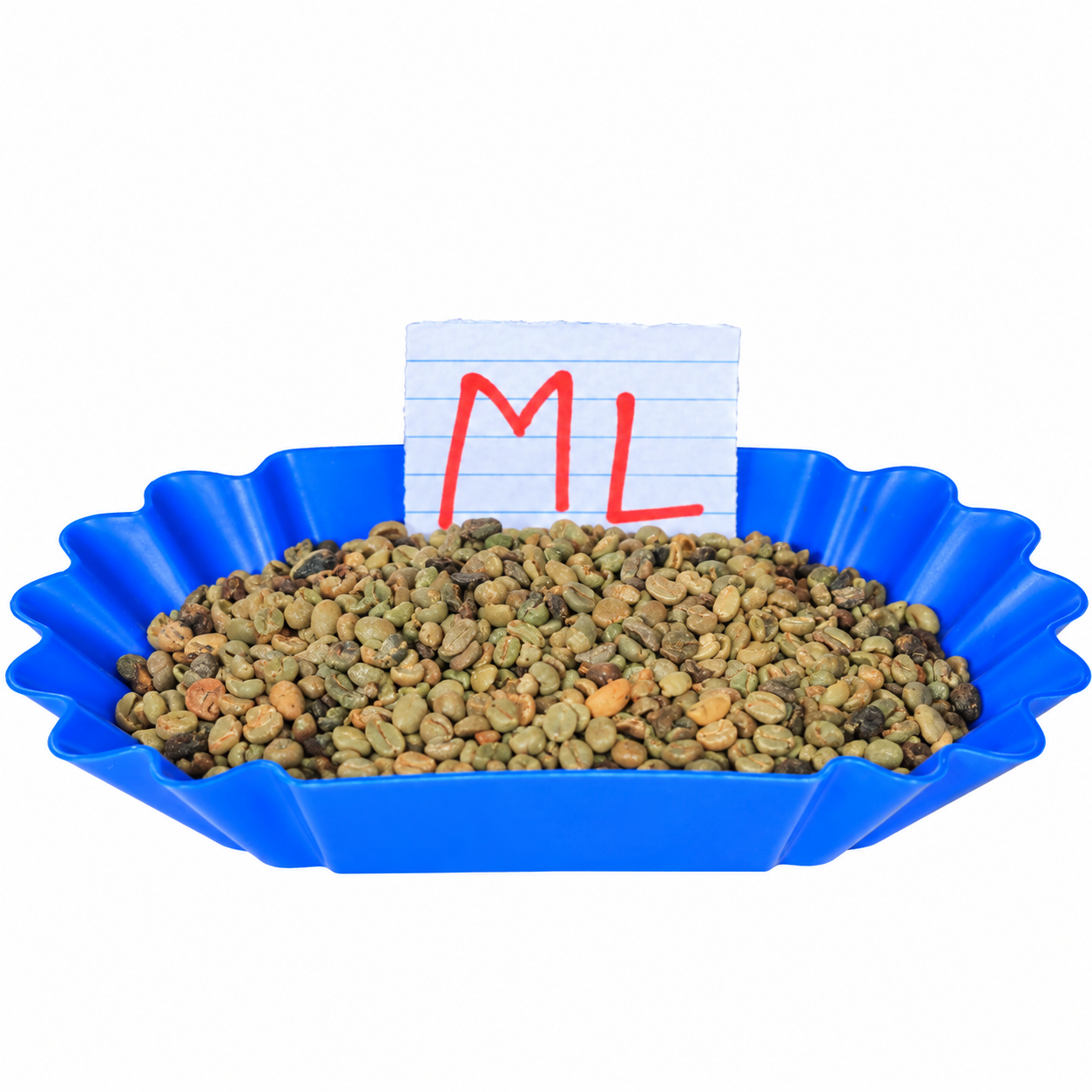
ML (Mbuni Light): Represents smaller, less dense, or floating seeds separated during air classification. ML beans are lighter in mass, displaying a softer structure, lighter body, and milder flavor intensity.
After density separation, Mbuni green coffee undergoes mechanical screening and optical color sorting to remove defective seeds. To understand international green coffee processing definitions, natural classification parameters, and defect thresholds, roasters can refer to standards set by the Specialty Coffee Association (SCA).
Sensory Profile and Flavor Complexity
Because Mbuni coffee undergoes prolonged contact with the fruit mucilage during sun-drying, its chemical composition differs dramatically from fully washed coffees. The natural sugars caramelize under the sun, imparting a signature wild and winey cup quality.
When cupped by coffee professionals, high-grade MH lots display distinct sensory traits:
-
Deep Fruit Sweetness: Intensely concentrated flavors of dark blackberry, dried raisin, ripe plum, sweet fig, and wild blueberry.
-
Heavy, Syrupy Body: A thick, full-bodied mouthfeel that coats the palate, making it exceptionally satisfying as an espresso base.
-
Complex Winey Acidity: Mellow, fermented winey acidity reminiscent of red wine or dark fruit liqueurs.
-
Rustic and Chocolatey Notes: Underlying notes of cocoa nibs, dark chocolate, sweet spice, and toasted nuts.
Global production volume trends, processing method distributions, and export statistics for natural coffees are regularly published by global organizations like the International Coffee Organization (ICO).
Market Applications and Value Proposition
Traditionally, Mbuni coffees were excluded from premium export channels and sold primarily through local trade auctions, such as the Nairobi Coffee Exchange, to supply regional domestic markets and lower-tier commercial contracts.
However, as global consumer preference has shifted toward natural, fruit-forward, and wild-tasting specialty coffees, top-tier MH (Mbuni Heavy) lots have enjoyed a resurgence in popularity. Specialty coffee buyers and progressive roasters now actively seek out clean MH lots for two key purposes:
-
Fruit-Forward Single-Origin Roasts: Showcasing the natural, unwashed side of African coffee through pour-over extraction methods.
-
Espresso Blend Component: Utilizing MH coffee as a natural component in espresso blends to inject deep crema, rich body, and heavy berry sweetness into dark roasted or milk-based drinks.
By preserving traditional natural sun-drying alongside modern dry-mill sorting, Coffee Grade MH / ML (Mbuni) provides coffee enthusiasts with an authentic, fruit-rich alternative to washed green coffee.
Products
Products Under This Grade
Connect the grade standard directly to live products so buyers can move from qualification to action without friction.
No products linked yet.
FAQs
Use FAQs to answer qualification questions early and reduce hesitation before inquiry.
What does "Mbuni" mean in coffee grading?
Mbuni is a Swahili term used in East Africa to describe natural or dry-processed coffee. Instead of having the fruit pulp removed immediately after picking (wet processing), Mbuni cherries are dried with the fruit intact around the seed before hulling.
What is the difference between Grade MH and Grade ML?
MH stands for "Mbuni Heavy," which consists of larger, denser, fully developed green coffee seeds that yield a rich, clean, and syrupy cup. ML stands for "Mbuni Light," which consists of smaller, lighter-density seeds that produce a lighter body and milder flavor.
How does Mbuni coffee taste compared to washed Grade AA or AB coffee?
Washed Grade AA/AB coffees are known for their bright, clean, citric acidity and floral clarity. In contrast, Mbuni (MH/ML) coffee is much heavier in body, with deep fruit sweetness, wild berry notes, winey acidity, and dark chocolate undertones due to the natural fruit fermentation during drying.
How are Mbuni green coffee beans processed at the mill?
Dry coffee cherries are harvested, dried under the sun, and sent to dry mills. Mechanical hullers strip away the outer dried skin and parchment. The raw green beans are then separated by air sorters and gravity tables into Heavy (MH) and Light (ML) fractions before final color sorting.
Why are specialty roasters becoming interested in Grade MH coffee?
With growing global demand for natural and experimental coffee processing, clean Grade MH (Mbuni Heavy) lots offer roasters a sweet, heavily textured, and fruit-rich cup that performs exceptionally well in espresso blends and limited-release natural single-origin offerings.