
 WhatsApp A Coffee Expert
Origin
Kenya, Meru County
Overview
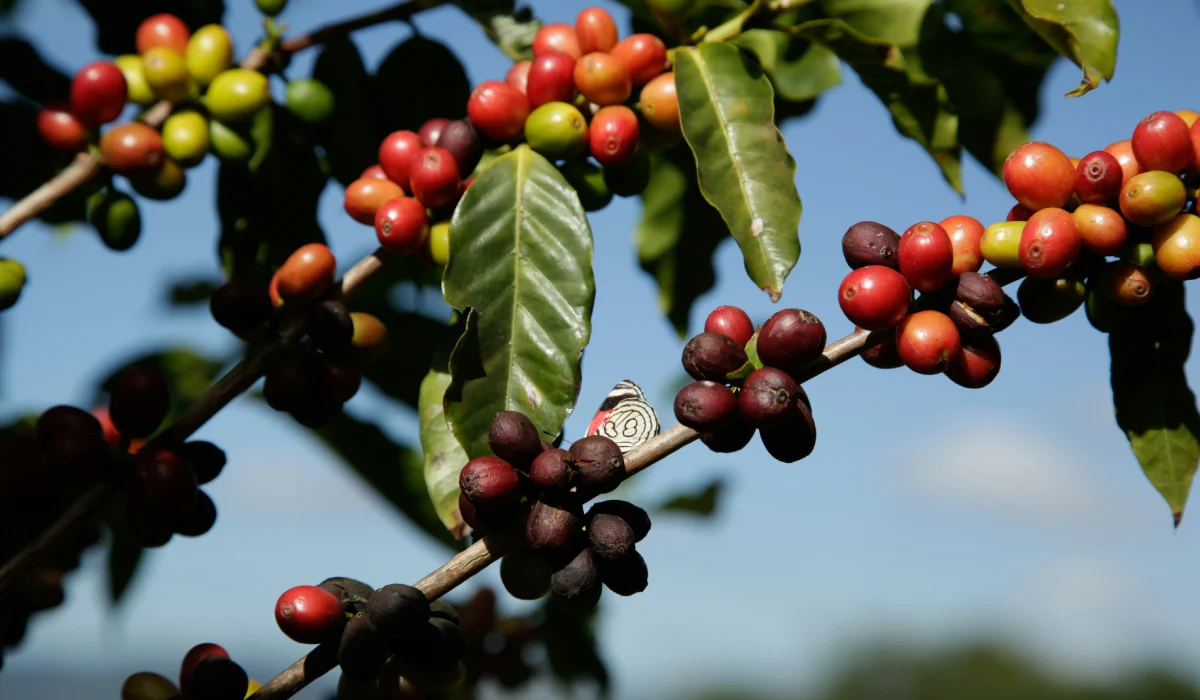
Meru Arabica C is a bright, high-clarity specialty coffee grade cultivated on smallholder farms along the elevated northeastern slopes of Mount Kenya in Meru County.
Eastern Region | Coffee Grade C
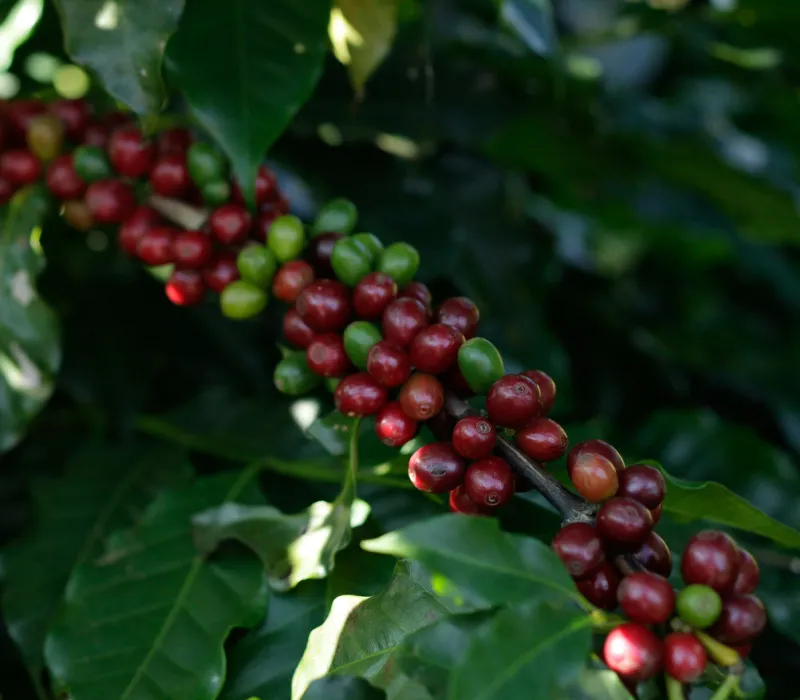
Grown at altitudes spanning 1,500 to 1,950 meters above sea level, this coffee develops under ideal microclimatic conditions defined by cool mountain breezes, steady equatorial sunlight, and fertile red volcanic soils. Under Kenya's official coffee classification system, Grade C consists of smaller, flatter green beans sorted through screens 12 through 14. Produced from the exact same high-altitude cherries and prized heirloom varieties (SL-28, SL-34, and Batian) as Meru's AA and AB lots, Grade C offers authentic regional character in a smaller physical format. Double-fermented and sun-dried on raised African beds, Meru Arabica C delivers a delicate tea-like body, sparkling lemon-lime acidity, sweet floral aromatics, and a crisp, refreshing finish.
Price
USD 7.70 /Kg
Minimum order: 100.00 kg
At a glance
Put the information an importer or roaster needs to make an initial buying decision directly in front of them.
Origin
Kenya, Meru County
Grade
Coffee Grade C
Altitude
1,450 – 1,850 m
Processing
Washed
Packaging
60 Kg GrainPro jute bags
Product
Meru Arabica C
Varieties
SL28, SL34, Ruiru 11, Batian
Pricing
USD 7.70 /Kg
Get a Quote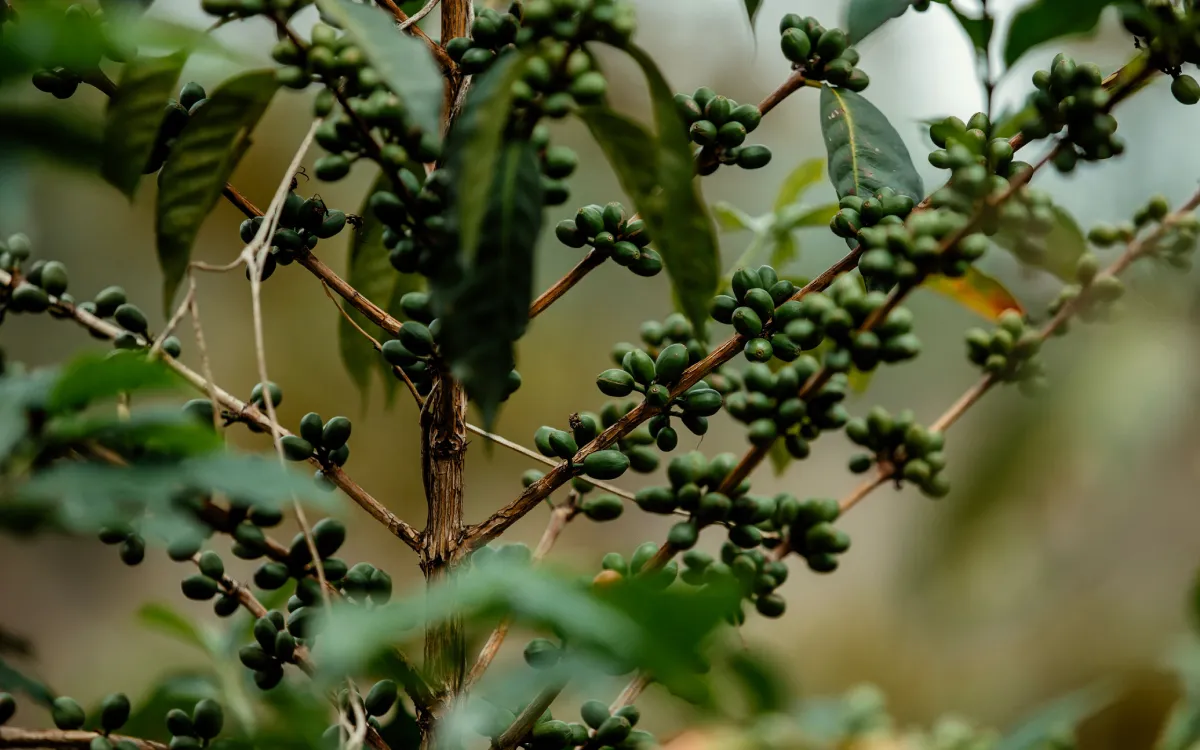
Cultivated along the fertile eastern slopes of Mount Kenya, Meru Arabica C provides an accessible, flavor-packed cup from one of Kenya's premier coffee regions. Inheriting the rich volcanic terroir of its larger-graded siblings, this smaller bean delivers exceptional sweetness and origin identity.
Crisp & Clean Profile
Nutrient-Dense Terroir
Proven Heritage Cultivars
Meticulous Wet Processing
Cost-Effective Quality
Meru Arabica C offers an approachable, delicate, and vibrant expression of Mount Kenya’s distinct specialty coffee terroir. Sourced from smallholder farming cooperatives across the high-altitude ridges of Meru County, this coffee is grown along the lush northeastern slopes of Mount Kenya. Cultivation takes place on family micro-plots situated between 1,500 and 1,950 meters above sea level. These high elevations feature warm daytime sun balanced by cool mountain nights, extending the cherry maturation cycle and allowing natural sugars and delicate organic acids to accumulate within the seed.
The foundation of Meru’s coffee landscape is its deep, well-draining red volcanic soil (Nitosols), which is naturally rich in essential minerals, nitrogen, and organic matter. Fed by bi-modal rainy seasons—the long rains from March to May and the short rains from October to December—the trees thrive in ideal hydrological conditions. Farmers cultivate classic heirloom Arabica varieties, primarily SL-28 and SL-34, alongside disease-tolerant cultivars like Ruiru 11 and Batian. While large-screen grades like AA and AB draw significant commercial focus, Grade C beans develop on the exact same trees, receiving identical agricultural care, mineral nutrition, and environmental benefits.
In the standardized grading system governed by the Coffee Directorate of Kenya and traded through the Nairobi Coffee Exchange, green coffee is mechanically sorted at dry mills following hulling. Grade C includes small, flat coffee beans that pass through screen size 15 and are retained by screens 12 through 14 (bean diameters between 4.80 and 5.60 millimeters). Because physical size is a sorting metric for roast uniformity rather than an absolute indicator of cup quality, high-altitude Grade C lots deliver exceptional origin clarity, bright fruit acids, and clean sweetness at a highly accessible price point.
Processing for Meru Arabica C adheres strictly to Kenya’s world-famous double-fermentation wet milling method. Farmers selectively handpick ripe red cherries and deliver them on harvest day to local cooperative wet mills (factories). The cherries are pulped, density-sorted in water channels, and fermented in concrete tanks for 24 to 36 hours to dissolve the sticky mucilage layer. Following a secondary soak in clean mountain river water, the parchment is transferred to raised wooden African drying beds. Over 10 to 14 days of solar drying, workers turn the coffee continuously by hand to ensure even moisture loss until it reaches the targeted 10.5% to 11.5% moisture level.
In the cup, Meru Arabica C delivers a refreshing, light-bodied, and highly articulate tasting profile. Unlike the dense, chocolatey, and dark-cherry weight often found in larger AA lots, Grade C presents a lighter, tea-like structure. The aroma opens with delicate jasmine, lemongrass, and citrus blossom. On the palate, it showcases sparkling lemon-lime acidity, green apple crispness, and subtle cane sugar sweetness, concluding with a pristine, floral-toned finish that lingers pleasantly without bitterness.
To learn more about international green coffee screen classifications, quality grading standards, and cupping protocols, visit the Specialty Coffee Association or review global coffee market resources maintained by the International Coffee Organization.
Because Grade C beans are smaller and flatter, they absorb heat rapidly during roasting. A light-to-medium roast profile allows roasters to highlight its delicate floral aromatics and bright citrus acids without scorching the seeds. For brewing, filter devices like Hario V60, Chemex, or Kalita Wave showcase its crisp citrus acidity, floral high notes, and tea-like transparency, making it an exceptional daily filter option or a lively base for cold brew extractions.
Discover the processing method, flavour profile, and qualities that define this coffee.
SL-28: Iconic Scott Laboratories cultivar renowned for introducing vibrant citrus acidity, complex fruit sugars, and crisp overall cup structure.
SL-34: High-altitude variety that adds depth, floral top-notes, and subtle berry undertones.
Ruiru 11: Compact disease-resistant hybrid that adds cup balance and clean finishing notes.
Batian: Modern disease-resistant cultivar developed by Kenya's CRI, contributing bright lemon-citrus notes, stone fruit accents, and cup clarity.
Fully washed processing, a meticulous method that enhances clarity and complexity
Selective handpicking of only ripe cherries by trained farmers
Cherry sorting at intake ; under and over ripe are removed by dedicated cherry clerks
Pulping using disk pulpers to remove outer skin
Fermentation for 12–24 hours to break down mucilage
Soaking for up to 24 hours—research shows this adds points to final cup scores
Drying on raised beds for 7–21 days, with frequent turning for even moisture
For more on quality standards and post-harvest procedures, visit the Specialty Coffee Association.
Aroma: White floral blooms, sweet lime zest, and soft green tea.
Acidity: Crisp, snappy citric acidity reminiscent of fresh lemon and green apple.
Flavor Notes: Red currant, lemongrass, sweet lime, and delicate cane sugar.
Body & Finish: Light-to-medium tea-like body with a clean, crisp, and refreshing floral finish.
High-Clarity Screen 14/15 Size: Uniform smaller bean size that roasts quickly and highlights delicate top-note acidities.
Northeastern Mount Kenya Terroir: Grown between 1,500 and 2,100 meters in iron-rich red volcanic soil.
Double-Fermentation Washed: Processed with traditional double-soaking for maximum flavor purity and clean acidity.
Light & Refreshing Cup: Ideal for coffee lovers who prefer delicate floral, tea-like, and citrus-forward brew profiles.
Cost-Effective Specialty Origin: Delivers authentic Mount Kenya flavor complexity at an accessible single-origin price point.
Export Process · Maytac International Partners
Every lot of Meru Arabica C follows the same disciplined path, from your first inquiry to the moment your shipment lands.
You reach out with your interest in our Meru Arabica C or any other premium offering.
We provide a transparent, competitive quote tailored to your volume and specifications.
A representative sample is sent to you for cupping and evaluation — your first taste of the quality we stand behind.
You cup the coffee, assess its flavor, aroma, and body, and give us the green light.
Once the sample meets your standards, you confirm the order and we prepare your lot for export.
We handle logistics, documentation, and dispatch, ensuring your coffee arrives fresh and on time.
You reach out with your interest in our Embu Arabica AA or any other premium offering.
We provide a transparent, competitive quote tailored to your volume and specifications.
A representative sample is sent to you for cupping and evaluation — your first taste of the quality we stand behind.
You cup the coffee, assess its flavor, aroma, and body, and give us the green light.
Once the sample meets your standards, you confirm the order and we prepare your lot for export.
We handle logistics, documentation, and dispatch, ensuring your coffee arrives fresh and on time.
In the official Kenyan coffee grading system, Grade C refers to flat green coffee beans sorted through smaller screen sizes (typically screens 12 through 14). Although physically smaller than AA or AB grades, Grade C beans come from the exact same high-altitude cherries and trees in Meru, offering authentic origin character in a smaller bean format.
Not in terms of flavor purity or agricultural standards. Kenyan coffee grades primarily measure physical bean size rather than taste quality. Meru Arabica C is grown at high elevations in rich volcanic soil and fully washed using the same strict processing standards as larger grades, resulting in bright acidity, sweet florals, and clean flavor.
Meru Arabica C offers a lighter, crisper, and more delicate profile compared to larger grades. Expect vibrant tasting notes of lemon-lime zest, green apple, lemongrass, and cane sugar sweetness, accompanied by a soft floral aroma and a clean, tea-like finish.
It is processed using Kenya's traditional double-fermentation fully washed (wet) method. Handpicked ripe cherries are pulped, fermented in fresh water to dissolve mucilage, washed clean, soaked, and sun-dried on raised African beds prior to dry milling and mechanical screen sorting.
Due to its smaller physical size, Grade C beans absorb heat quickly during roasting. A light-to-medium roast preserves its delicate florals and crisp citrus acids. Pour-over brewing methods like Hario V60 or Chemex best highlight its bright acidity, floral notes, and refreshing finish.
We use essential cookies for secure site operation. You can also allow analytics and marketing cookies for improved performance and ad relevance.