
 WhatsApp A Coffee Expert
Origin
Kenya, Meru County
Overview
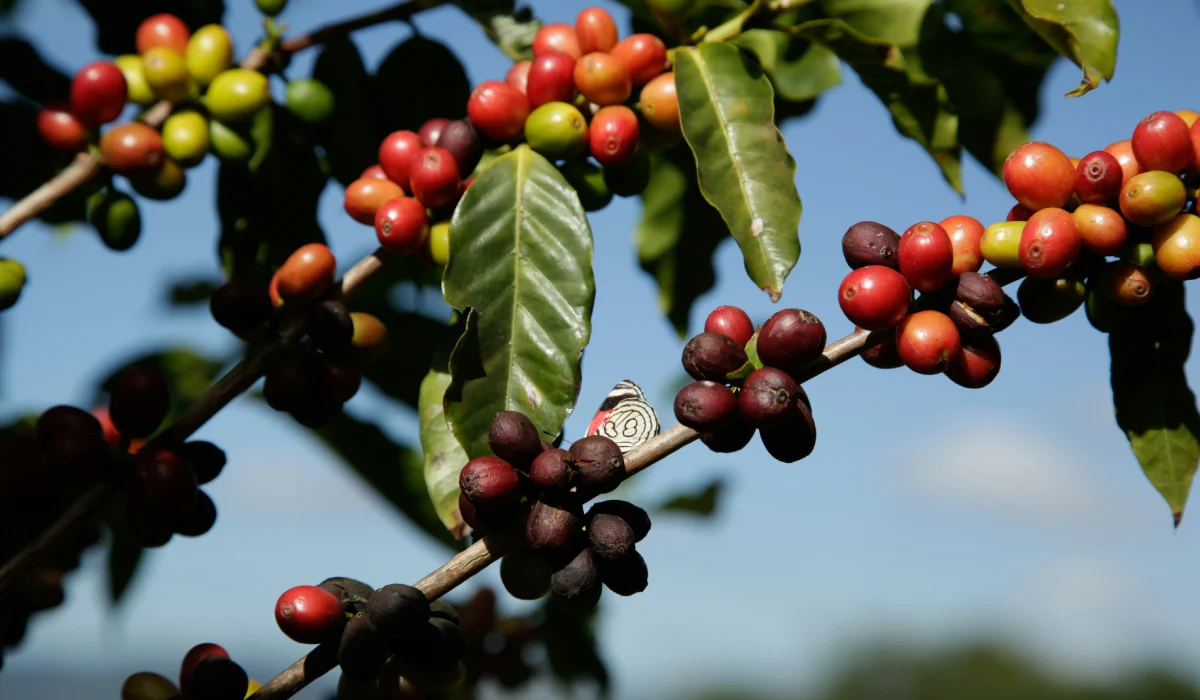
Meru Arabica PB features the rare and intensely flavorful Peaberry bean harvested from high-altitude smallholder farms along the northeastern slopes of Mount Kenya in Meru County.
Eastern Region | Coffee Grade PB (Peaberry)
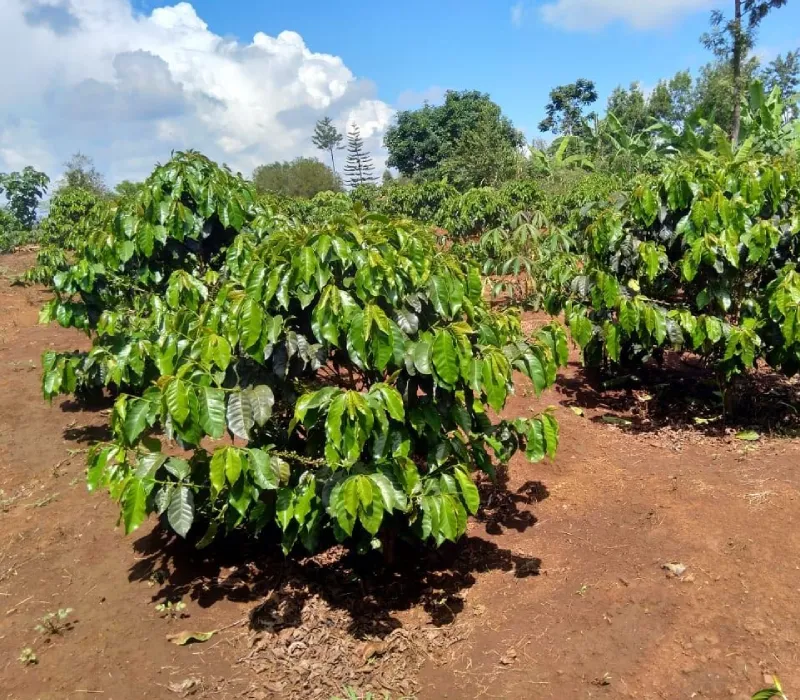
Grown at elevations between 1,500 and 2,000 meters above sea level, this coffee develops under cool mountain conditions in nutrient-rich, red volcanic soil. While typical coffee cherries contain two flat-sided seeds, a natural botanical phenomenon causes approximately 5% to 10% of the crop to form a single, round "peaberry" seed. This solitary bean absorbs the full share of sugars and organic nutrients within the cherry, resulting in exceptional density and flavor concentration. Processed through traditional double-fermentation wet milling and sun-dried on raised African beds, Meru Arabica PB is prized for its even heat absorption during roasting. In the cup, it offers a vibrant, highly aromatic profile with bright tangerine acidity, sweet blackberry, floral honeysuckle, and a smooth, caramel-like finish.
Price
USD 7.90 /Kg
Minimum order: 100.00 kg
At a glance
Put the information an importer or roaster needs to make an initial buying decision directly in front of them.
Origin
Kenya, Meru County
Grade
Coffee Grade PB (Peaberry)
Altitude
1,500 – 2,000 m
Processing
Washed
Packaging
60 Kg GrainPro jute bags
Product
Meru Arabica PB
Varieties
SL28, SL34, Ruiru 11, Batian
Pricing
USD 7.90 /Kg
Get a Quote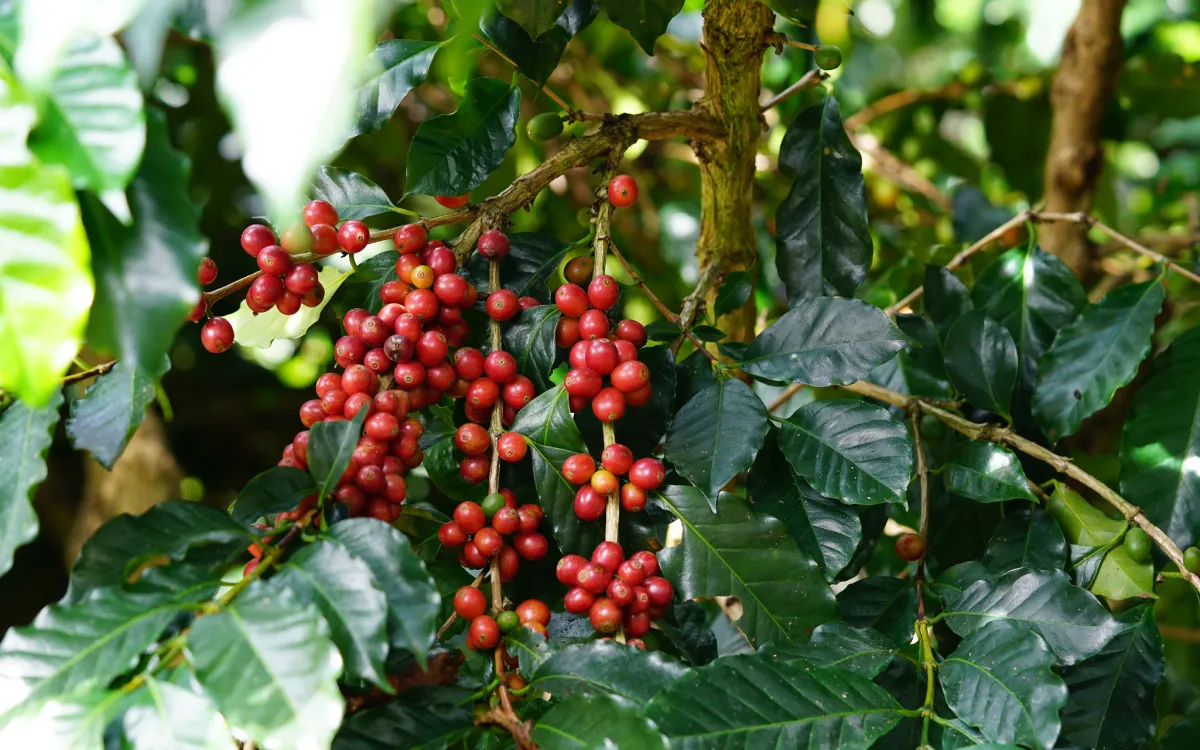
Grown on the high volcanic slopes of Mount Kenya, Meru Arabica PB features rare single-seed Peaberry coffee cherries. Natural density and concentrated flavor give this unique grade an exceptional sweetness, making it a standout selection from one of Kenya's most prized growing regions.
Concentrated Flavor Profile
Unique Peaberry Formation
High-Altitude Terroir
Traditional Wet-Processing
Distinct Specialty Value
Meru Arabica PB represents one of the most distinctive specialty lots produced along the lush, high-altitude ridges of Meru County. Positioned on the fertile northeastern slopes of Mount Kenya, Meru offers a unique equatorial climate marked by high daily sunshine offset by cool, misty mountain nights. Smallholder farmers tend micro-plots at elevations spanning 1,500 to 2,000 meters above sea level. These extreme altitudes prolong the cherry development phase, granting the plant extended time to synthesize natural sugars, organic acids, and complex aromatic compounds within the coffee seed.
The region’s terroir is anchored by deep, porous red volcanic soil (Nitosols), which provides abundant organic nutrients and mineral drainage necessary for healthy root systems. Supported by bi-modal rainy seasons—the long rains from March to May and the short rains from October to December—smallholders cultivate classic heirloom Arabica varieties, primarily SL-28 and SL-34, alongside disease-resistant cultivars like Ruiru 11 and Batian.
The "PB" designation stands for "Peaberry" (known as caracol). In standard coffee cherry development, two hemispherical seeds grow face-to-face. However, in a small percentage of the harvest, only one ovule is fertilized, resulting in a single, small, round seed that expands without flat sides. Because this lone peaberry absorbs the total nutrient payload produced by the tree for that fruit, it develops higher physical density and concentrated sugar levels. During dry milling, these round beans are mechanically separated using specialized slotted screens.
Beyond its concentrated flavor, Meru Arabica PB presents significant physical advantages for coffee roasters. Its round, symmetrical shape allows the beans to roll effortlessly inside the roasting drum, facilitating uniform heat transfer and precise control over sugar caramelization throughout the roast cycle.
Processing follows Kenya's gold-standard double-fermentation wet milling method. Farmers selectively handpick fully ripe red cherries and deliver them on harvest day to local cooperative washing stations (factories). The cherries are pulped, density-sorted in water channels, and fermented in concrete tanks for 24 to 36 hours to break down the natural mucilage layer. Following a secondary clean-water soak, the parchment coffee is spread on raised wooden African drying beds. Over 12 to 18 days of solar drying, workers continuously turn the coffee by hand to ensure uniform drying until it reaches the optimal moisture level of 10.5% to 11.5%.
In the cup, Meru Arabica PB delivers an energetic and highly structured sensory profile. The aroma opens with intense floral honeysuckle, jasmine, and sweet citrus blossom. On the palate, it exhibits a sparkling, refined tangerine and red currant acidity, balanced by a deep, juicy sweetness of fresh blackberry, stone fruit, and brown sugar. The mouthfeel is sleek and syrupy, concluding with a clean, caramel-and-cocoa-toned finish.
To explore international specialty coffee grading frameworks, peaberry classifications, and cupping standards, visit the Specialty Coffee Association or review global trade publications maintained by the International Coffee Organization.
Meru Arabica PB performs magnificently under light-to-medium roast profiles, preserving its lively citrus acidity and delicate floral high notes. For manual brewing, filter devices like the Hario V60, Chemex, or Kalita Wave showcase its vibrant fruit clarity and floral sweetness. When prepared in an AeroPress or as a single-origin espresso shot, its high bean density and natural sugar concentration yield a viscous body, rich crema, and intense dark-fruit sweetness.
Discover the processing method, flavour profile, and qualities that define this coffee.
SL-28: Iconic Scott Laboratories cultivar prized for its intense blackcurrant sweetness, complex phosphoric acidity, and winey complexity.
SL-34: High-altitude variety that adds deep stone-fruit depth, heavy mouthfeel, and citrus brightness.
Ruiru 11: Compact disease-resistant hybrid adding structural cup balance and smooth chocolate undertones.
Batian: Modern CRI cultivar offering bright citrus clarity, floral aromatics, and clean stone fruit notes.
Fully washed processing, a meticulous method that enhances clarity and complexity
Selective handpicking of only ripe cherries by trained farmers
Cherry sorting at intake ; under and over ripe are removed by dedicated cherry clerks
Pulping using disk pulpers to remove outer skin
Fermentation for 12–24 hours to break down mucilage
Soaking for up to 24 hours—research shows this adds points to final cup scores
Drying on raised beds for 7–21 days, with frequent turning for even moisture
For more on quality standards and post-harvest procedures, visit the Specialty Coffee Association.
Aroma: Jasmine flowers, honeysuckle, and warm blackberry pie.
Acidity: Sparkling, bright phosphoric acidity reminiscent of blood orange and pink grapefruit.
Flavor Notes: Concentrated blackcurrant jam, red cherry, dark plum, and brown sugar sweetness.
Body & Finish: Heavy, syrupy, velvety body with a long finish featuring dark cocoa nibs and subtle baking spice.
Rare Natural Peaberry Mutation: Selected from the top 5%–10% of harvest cherries for concentrated flavor intensity.
Exceptional Roast Uniformity: Rounded bean structure allows smooth, even heat distribution in the roaster.
Northeastern Mount Kenya Terroir: Grown between 1,500 and 2,100 meters in fertile red volcanic soil (Nitosols).
Double-Fermentation Washed: Traditional double-soaking yields outstanding cup purity, sparkling acidity, and long shelf stability.
Syrupy & Concentrated Cup: Offers an unusually dense body coupled with vibrant blackcurrant and floral notes.
Export Process · Maytac International Partners
Every lot of Meru Arabica PB follows the same disciplined path, from your first inquiry to the moment your shipment lands.
You reach out with your interest in our Meru Arabica PB or any other premium offering.
We provide a transparent, competitive quote tailored to your volume and specifications.
A representative sample is sent to you for cupping and evaluation — your first taste of the quality we stand behind.
You cup the coffee, assess its flavor, aroma, and body, and give us the green light.
Once the sample meets your standards, you confirm the order and we prepare your lot for export.
We handle logistics, documentation, and dispatch, ensuring your coffee arrives fresh and on time.
You reach out with your interest in our Embu Arabica AA or any other premium offering.
We provide a transparent, competitive quote tailored to your volume and specifications.
A representative sample is sent to you for cupping and evaluation — your first taste of the quality we stand behind.
You cup the coffee, assess its flavor, aroma, and body, and give us the green light.
Once the sample meets your standards, you confirm the order and we prepare your lot for export.
We handle logistics, documentation, and dispatch, ensuring your coffee arrives fresh and on time.
Meru Arabica PB is a specialty coffee grade consisting of peaberries—a natural mutation where a coffee cherry produces a single, round seed instead of two flat-sided beans. Cultivated on Mount Kenya's northeastern slopes, these dense, round beans are sorted during dry milling and prized for their sweet, concentrated flavor.
Peaberry beans are naturally round and smooth without flat surfaces or sharp edges. This physical structure allows them to roll continuously inside a coffee roaster's drum, ensuring uniform heat absorption and consistent sugar caramelization.
While Meru AA and AB offer a bold structure with deep dark-cherry and cocoa depth, Meru PB often presents a punchier, brighter, and more concentrated profile. Expect vibrant tangerine acidity, sweet blackberry, floral honeysuckle, and a sleek, caramel-like finish.
Peaberries occur naturally in roughly 5% to 10% of any coffee harvest worldwide. Because they must be mechanically separated from standard flat beans using specialized screen sieves, Meru PB lots are produced in limited quantities per season.
Pour-over methods (such as Hario V60, Kalita Wave, or Chemex) best accentuate its sparkling citrus acidity, floral aromatics, and berry clarity. It also brews exceptionally well in an AeroPress or as a single-origin espresso shot, where its natural sugars produce a dense, sweet body and rich crema.
We use essential cookies for secure site operation. You can also allow analytics and marketing cookies for improved performance and ad relevance.