Maytac logo
← Back to regions

Coffee Region

Nyanza Region

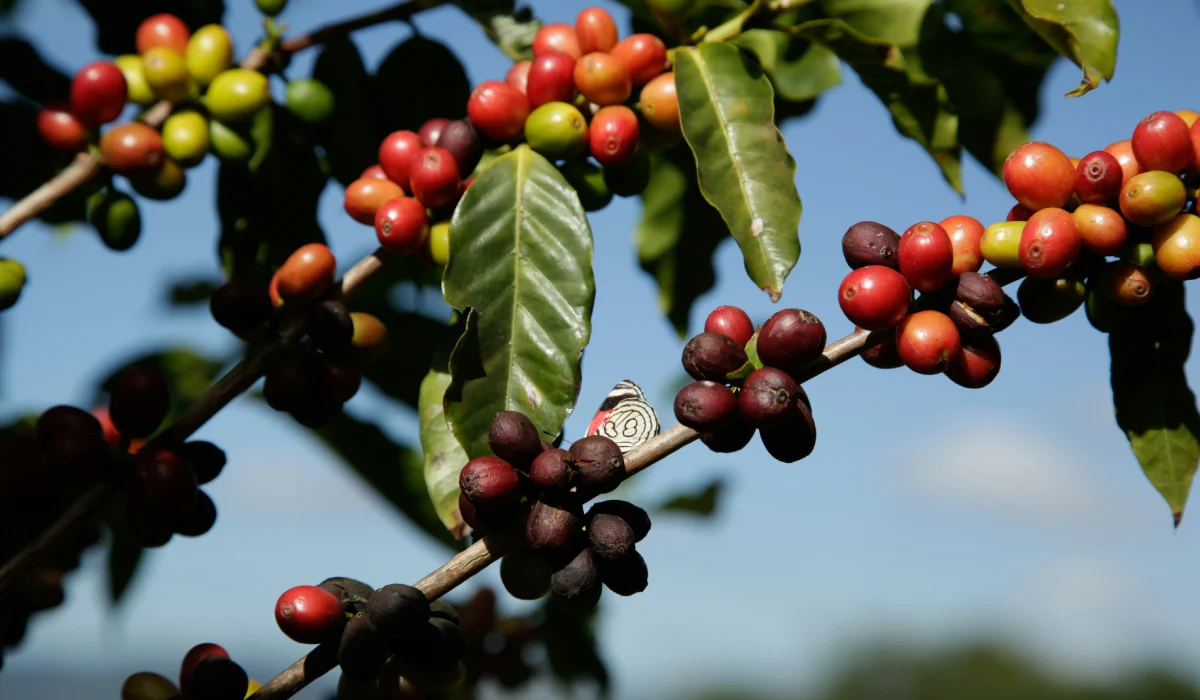
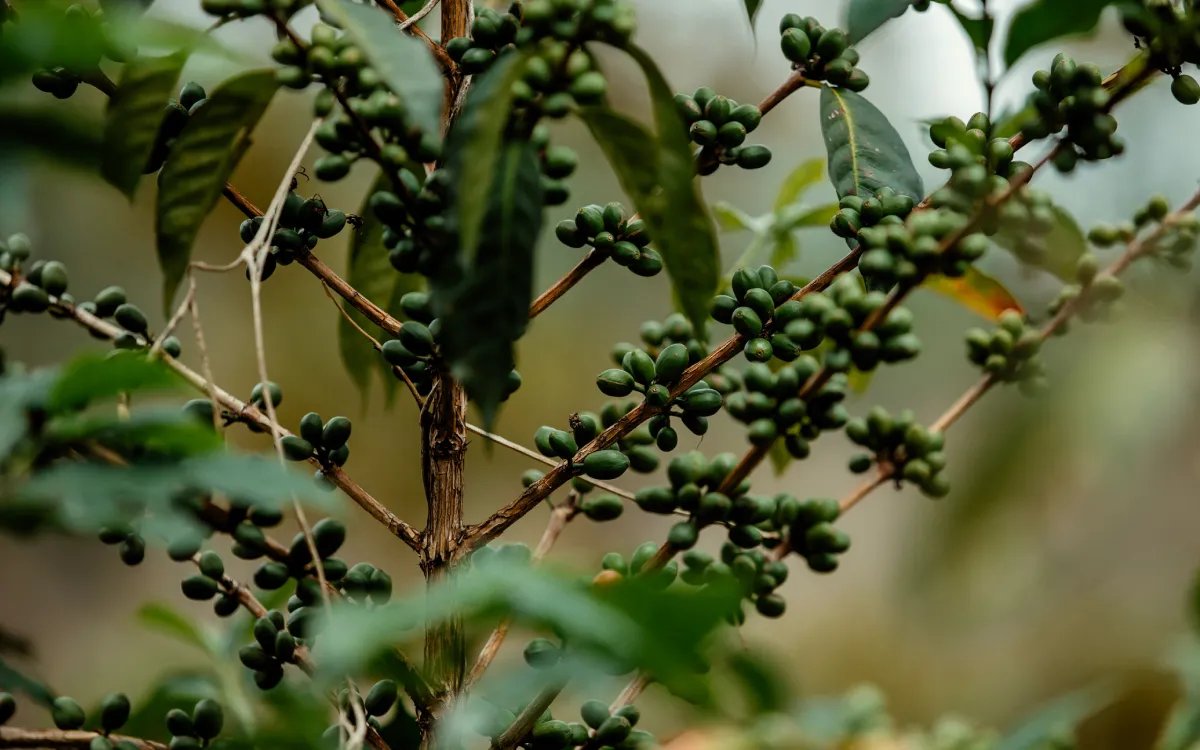
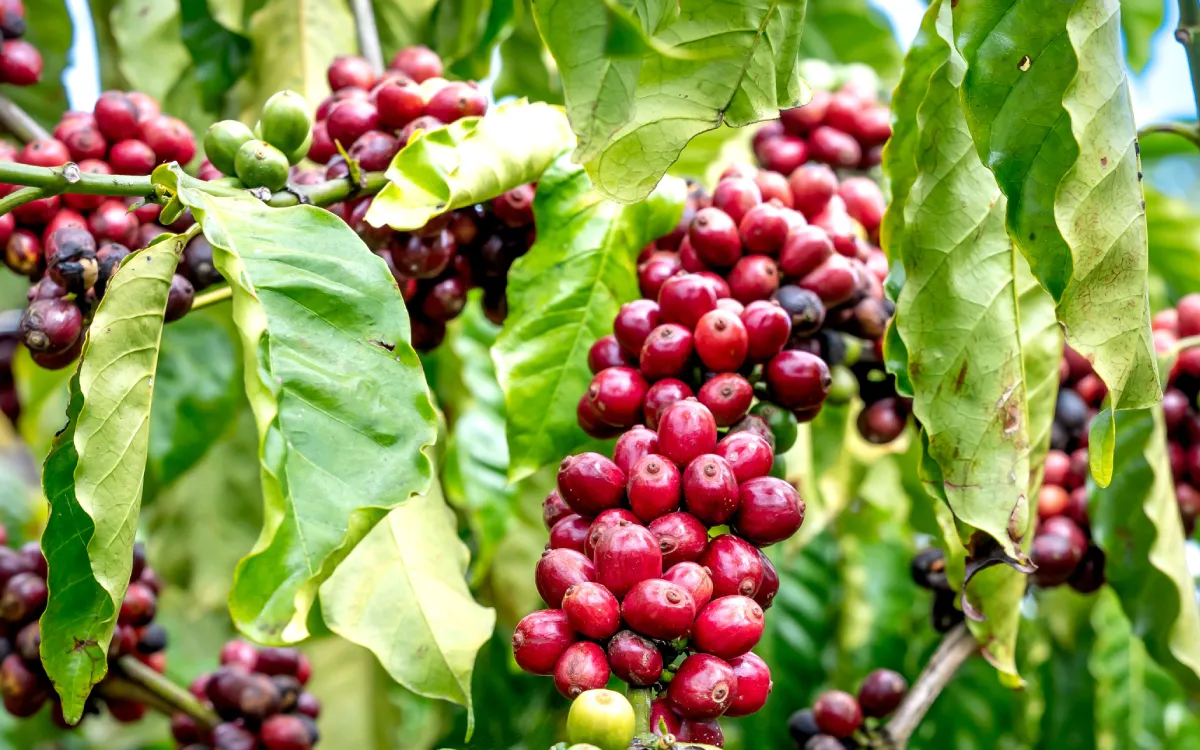
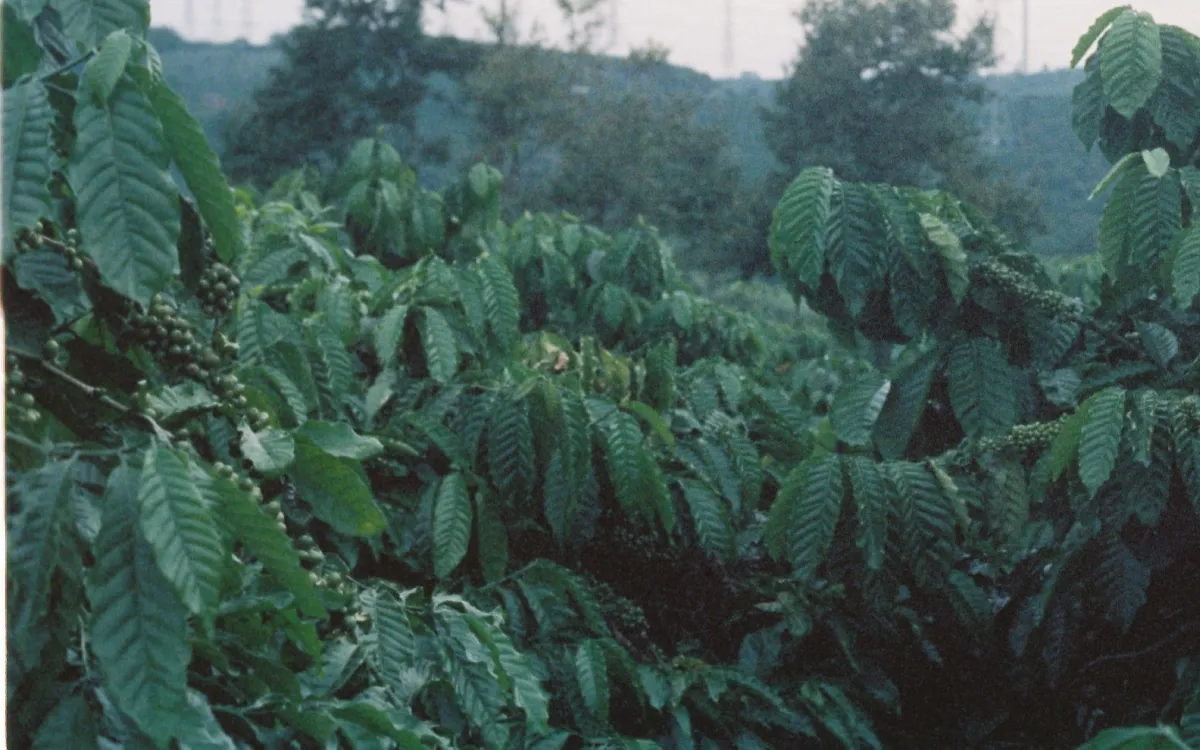
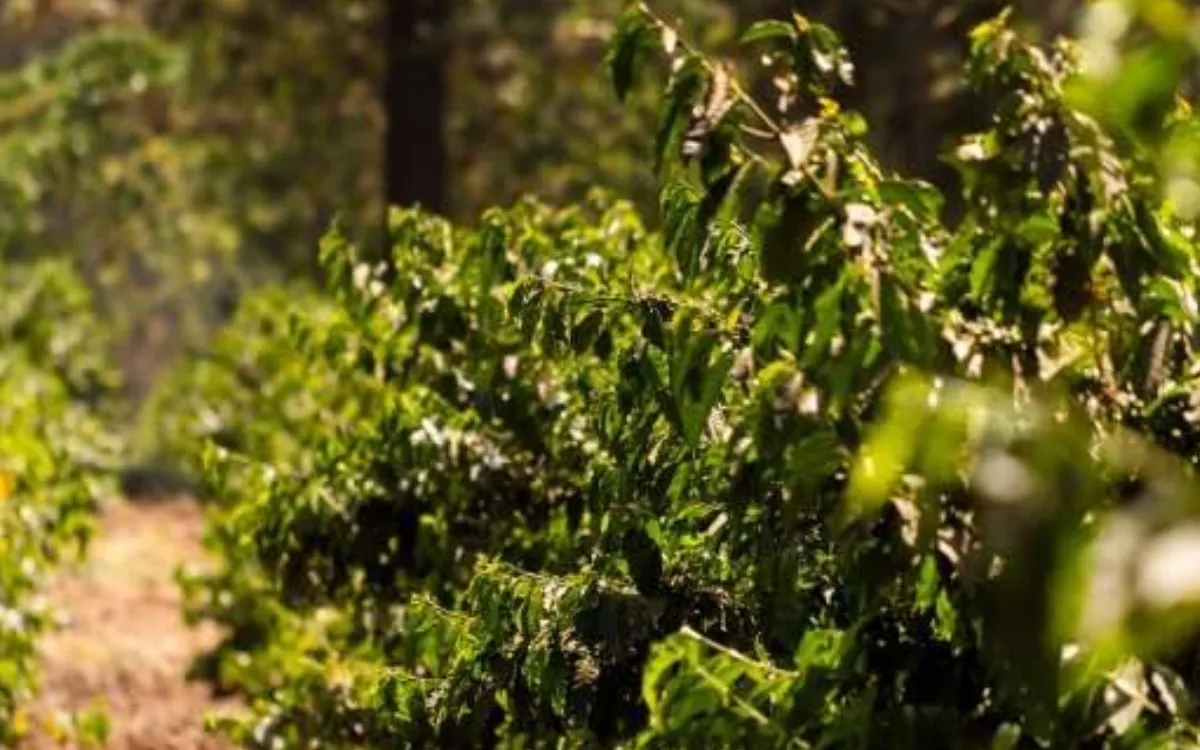
Nyanza Region, nestled in southwestern Kenya along the shores of Lake Victoria, represents one of the country's most promising and rapidly emerging coffee frontiers. While Central Kenya has long dominated the nation's coffee narrative, Nyanza's rich volcanic soils, regular rainfall patterns, and dense farming communities are writing a new chapter in Kenyan coffee excellence.

Nyanza Region

Sub-regions

6

Products

0

Collection

Premium Origin

Coffee Region

Nyanza Region

Nyanza Region, nestled in southwestern Kenya along the shores of Lake Victoria, represents one of the country's most promising and rapidly emerging coffee frontiers. While Central Kenya has long dominated the nation's coffee narrative, Nyanza's rich volcanic soils, regular rainfall patterns, and dense farming communities are writing a new chapter in Kenyan coffee excellence.

Region Story

The region encompasses Kisii, Nyamira, Migori, Homa Bay, Siaya, and Kisumu counties—each contributing unique terroir characteristics to the region's growing reputation for sweet, creamy coffees with distinctive nut and fruit notes.

Coffee was introduced to parts of Kisii in the early 1930s, making it one of the first areas in Kenya where smallholder farmers were encouraged to plant coffee on their small landholdings. Today, more than 600,000 smallholders farming fewer than five acres compose 99% of the coffee farming population of Kenya, with Nyanza emerging as a critical growth region. The national coffee revival programme aims to boost production from approximately 50,000 metric tonnes to 150,000 metric tonnes by 2029, with Nyanza counties positioned at the heart of this transformation. A regional forum in Kisumu has brought together representatives from Kisumu, Siaya, Homa Bay, Nyamira, Migori and Kisii counties as part of a nationwide government programme seeking to revive coffee as a major cash crop.

Coffee Varieties of Nyanza Region

Variety

Characteristics

SL28

Released by Scott Agricultural Laboratories (SAL) in 1930s–40s. Deep root structure maximizing scarce water resources; high yields; complex cup profile with bright acidity and berry notes

SL34

Also released by SAL. Similar to SL28 but with heavier body; deep root system; thrives without irrigation

Ruiru 11

Introduced by Kenya Coffee Research Institute. Disease-resistant (CBD and CLR); high yields; early maturity—cropping after only 2 years

Batian

Released by CRI in 2010. Named after Mount Kenya's highest peak; resistant to CBD and CLR; early maturity—cropping after 2 years; eliminates Robusta genes for improved flavour quality

K7

Traditional variety with good disease resistance and adaptability


Processing Excellence

Nyanza Region is synonymous with meticulous processing methods that enhance clarity and complexity:

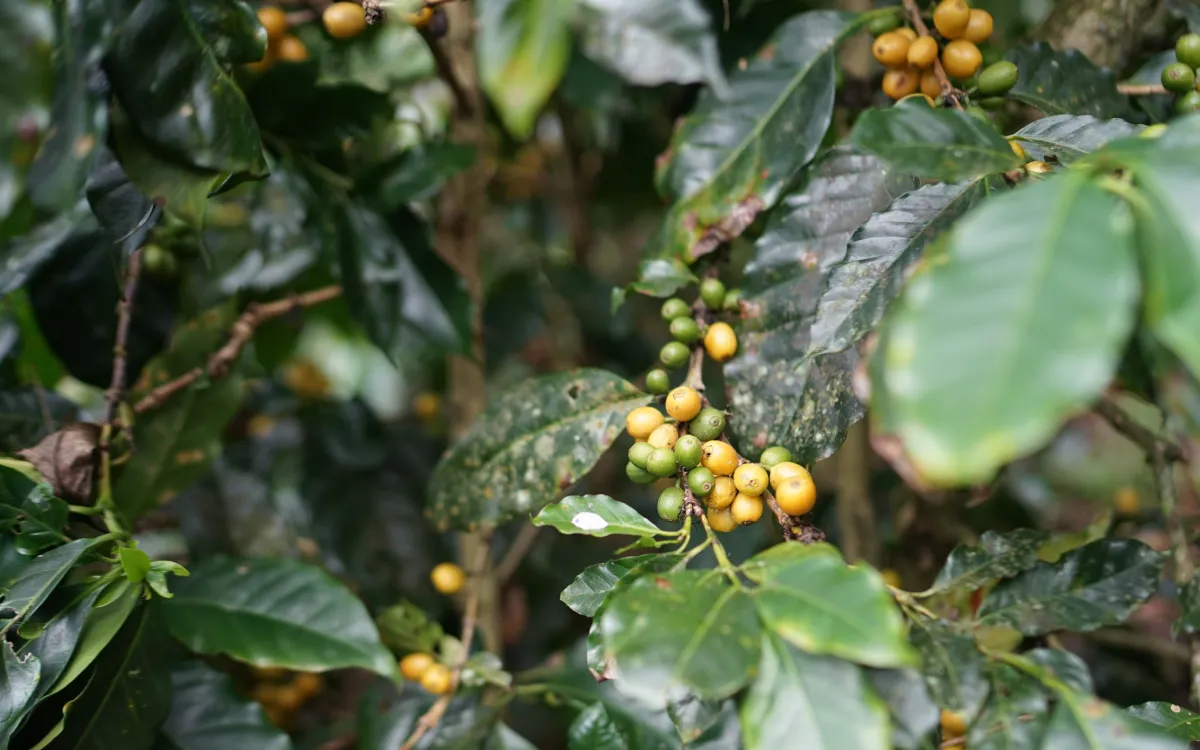
  1. Selective handpicking of only ripe cherries

  2. Cherry sorting at intake—under- and over-ripes removed

  3. Pulping using disk pulpers to remove outer skin

  4. Fermentation for 12–48 hours to break down mucilage

  5. Soaking for up to 24 hours

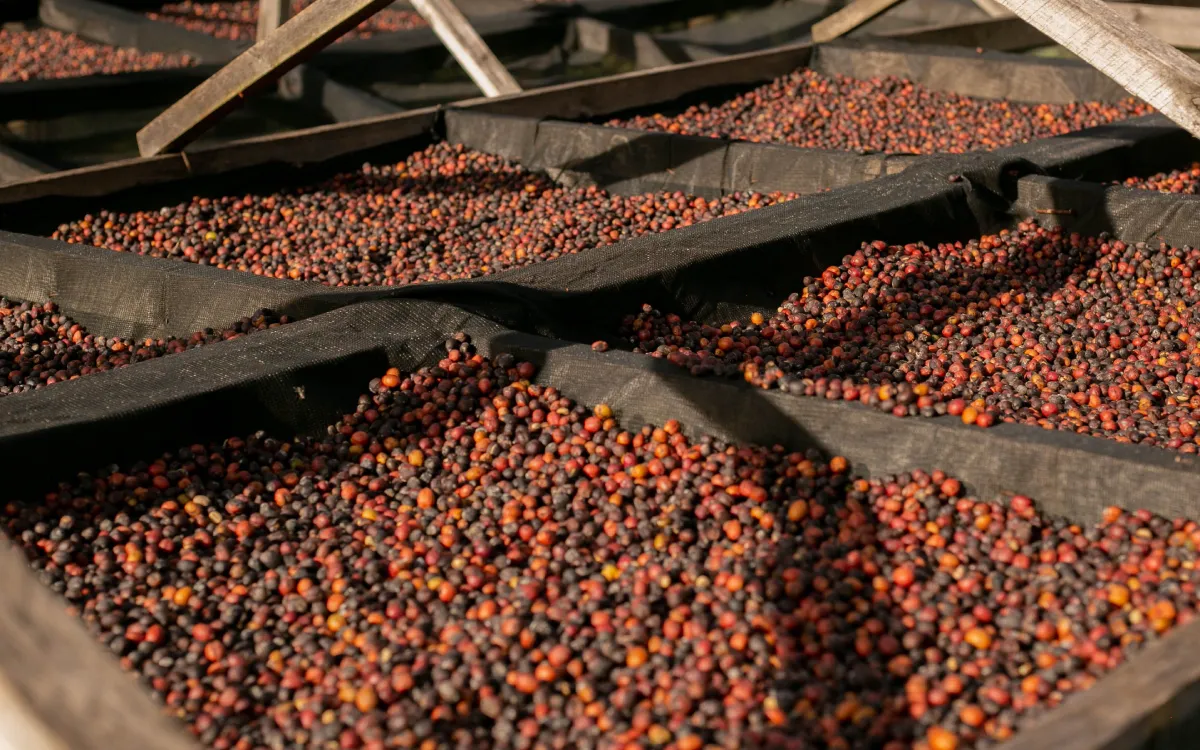
  6. Drying on raised beds for 7–16 days, with frequent turning for even moisture distribution

Emerging methods such as natural processing, anaerobic fermentation, and honey processing are being adopted by progressive farmers seeking to enhance flavour profiles.


The Nyanza Cup Profile

Nyanza Region produces coffees with a distinctive and unmistakable flavour signature:

  • Acidity: Bright, vibrant, often citrus-forward with balanced fruit complexity

  • Body: Medium to full, with a syrupy, juicy mouthfeel

  • Flavors: Citrus-lime, grapefruit, tree tomato, passion fruit, pineapple, mango, orange blossom, mixed citrus cocktail, stone fruit, and sweet violet

  • Finish: Sweet, creamy with nut and fruit undertones

Classic Nyanza profile: Sweet, creamy coffees with bright citrus acidity, nut tones, and distinctive fruit complexity.


For Roasters and Importers

"From the volcanic highlands of the Gusii and the shores of Lake Victoria—where red volcanic soils, high altitudes, and generations of farming heritage converge—comes coffee that defines the new frontier of Kenyan excellence."

  • Traceability: Every bean can be traced to specific factories, cooperatives, and farmer communities

  • Consistency: Rigorous processing standards ensure year-after-year quality

  • Diversity: From Kisii's citrus-lime brightness to Nyamira's tropical fruit complexity, from Migori's high-altitude elegance to the emerging promise of Homa Bay, Siaya, and Kisumu

  • Impact: Supporting thousands of smallholder families who are the backbone of Kenya's coffee renaissance

Key Selling Points

  1. Emerging Origin: Nyanza is Kenya's fastest-growing specialty coffee region

  2. Exceptional Cup Quality: Bright acidity, complex fruit notes, sweet creamy body

  3. Sustainable Production: Smallholder farmers practicing environmentally conscious cultivation

  4. Full Traceability: From cooperative to factory to cup

  5. Diverse Offerings: AA, AB, and PB grades across multiple cooperatives

  6. Revival Story: Every cup supports the renaissance of a historic coffee region


Nyanza Region represents the next frontier of Kenyan specialty coffee production. With over 100,000 smallholder farmers, fertile volcanic soils, ideal altitudes across multiple counties, and a commitment to fully washed processing alongside innovative experimental methods, this region is rapidly emerging as a source of some of the world's most exciting coffees.

From Kisii's 59 factories to Nyamira's 21 cooperatives, from Migori's 11 coffee cooperatives to the emerging promise of Homa Bay, Siaya, and Kisumu, every cup tells a story of terroir, tradition, and transformation.

The national government's commitment to producing 150,000 metric tonnes of coffee annually by 2029 places Nyanza at the centre of Kenya's coffee future. With continued investment in farmer training, cooperative strengthening, processing infrastructure, and market access, Nyanza Region is not merely reviving coffee—it is redefining what Kenyan coffee can be.

Choose Nyanza. Choose the new frontier. Choose coffee that makes a difference.

Sub-regions

Distinct origin blocks within Nyanza Region

Use these sections to introduce estates, districts, washing stations, or elevation bands with dedicated imagery and more persuasive storytelling.

KISII COUNTY: The Gusii Highlands Heartland

Sub-region 01

KISII COUNTY: The Gusii Highlands Heartland

Soil Profile

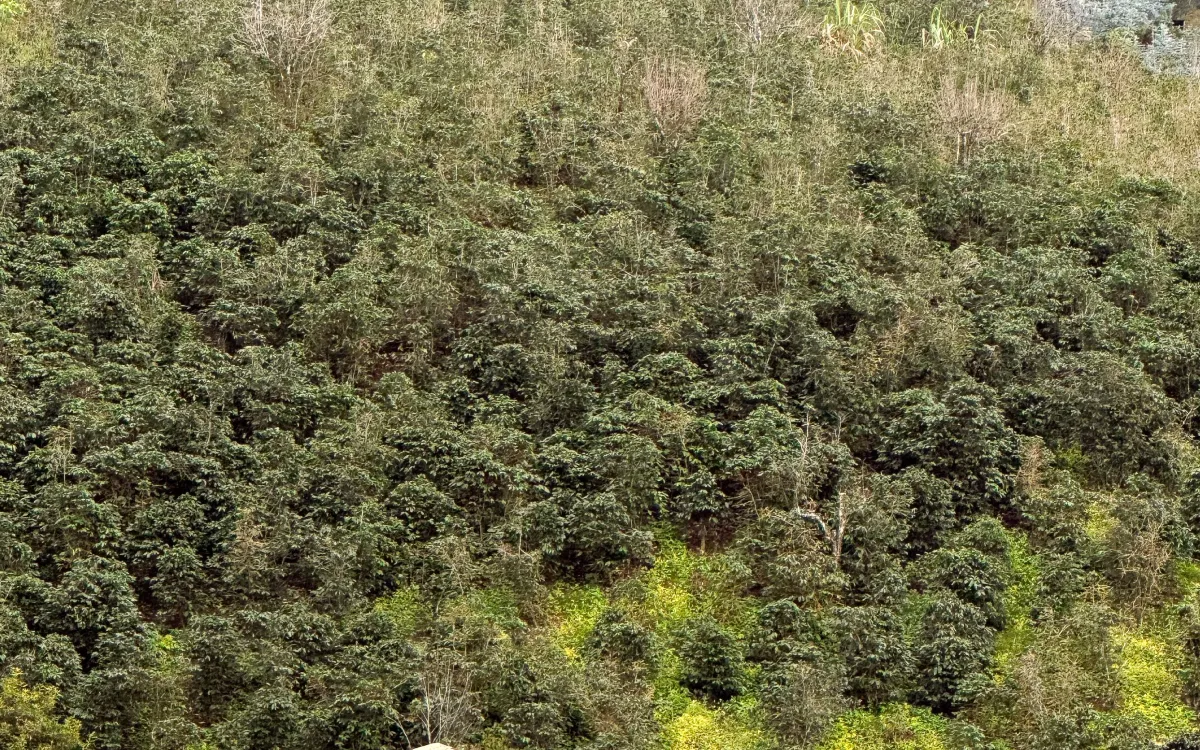
Red volcanic soils (nitosols) which are deep in organic matter. 


Acreage

Kisii County has approximately 4,579 hectares under coffee cultivation, with smallholder farms averaging 0.2 to 2 hectares per farmer. 


Cooperatives & Societies

Gusii Coffee Farmers Cooperative Union (GCFCU) , which handles milling and marketing for member societies. The GCFCU represents approximately 75,000 coffee growers organized into 28 cooperative societies with 72 coffee factories across Kisii and Nyamira Counties.


Factories (Wet Mills)

Kisii County operates 59 coffee factories (wet mills) under its cooperative structure. These factories serve as centralized processing hubs where member farmers deliver their cherry for pulping, fermentation, washing, and drying.


Number of Farmers

Kisii County has nearly 60,000 active cooperative members involved in coffee farming.


Varieties Planted

SL28, SL34, Ruiru 11, Batian, and K7. SL28 and SL34

Ruiru 11 and Batian


Processing Method

The predominant processing method in Kisii is the fully washed process. Cherry is selectively handpicked and delivered to cooperative factories where it undergoes pulping, fermentation (typically 12-48 hours), washing, and drying on raised beds for 8-15 days. Natural processing and anaerobic fermentation are also gaining traction, with specialty producers pioneering high-quality experimental lots.


Cup Profile

Kisii coffees are characterized by a citrus-lime fragrance, with flavours of tree tomato, passion fruit, and yellow grapefruit. The cup is sweet and creamy with tones of nuts and fruit, full-bodied with bright acidity and a clean, lingering finish. Some lots showcase stone fruit and tea-like nuance.

NYAMIRA COUNTY: The Emerging Powerhouse

Sub-region 02

NYAMIRA COUNTY: The Emerging Powerhouse

Soil Profile

Deep volcanic loams with high organic matter content


Acreage

Nyamira County has substantial acreage under coffee cultivation, with the county government targeting to triple the acreage under coffee. The county will distribute at least 400,000 coffee seedlings to registered farmers.


Cooperatives & Societies

These societies are affiliated with the Gusii Coffee Farmers Cooperative Union (GCFCU) , which represents 28 cooperative societies with 72 coffee factories across Kisii and Nyamira Counties. The New Kenya Planters Co-operative Union (New KPCU) and the County Government of Nyamira have sealed a partnership to revitalize coffee farming.


Factories (Wet Mills)

Nyamira's cooperative societies operate numerous wet mills serving their member farmers. These factories provide centralized pulping, fermentation, washing, and drying services. The county government, in partnership with New KPCU, is modernizing and revitalizing factory infrastructure.


Number of Farmers

Nyamira County has approximately 15,000 coffee farmers organized under its cooperative societies.


Varieties Planted

SL28, SL34, Ruiru 11, Batian, and K7. 


Processing Method

The fully washed process dominates in Nyamira, with farmers delivering ripe cherry to cooperative factories for pulping, fermentation, washing, and raised-bed drying. Natural processing and experimental methods are emerging as farmers seek to diversify their offerings.


Cup Profile

Nyamira coffees present a distinctive profile featuring pineapple and mango fragrance, with tree tomato and mango purée aromas, and flavours of orange blossom, mixed citrus cocktail, tree tomato, pineapple, mango, and sweet violet. The cup is vibrant, fruity, and complex—a testament to the region's exceptional terroir.


MIGORI COUNTY: The Kuria Frontier

Sub-region 03

MIGORI COUNTY: The Kuria Frontier

Soil Profile

Volcanic soils and a high-altitude climate that produces exceptional coffee quality.


Acreage

Migori County currently produces approximately 1.8 million kilogrammes of coffee annually, with ambitious plans to scale up production. The county is actively registering new farmers and expanding acreage under coffee production.


Cooperatives & Societies

Migori County has 11 coffee cooperatives, with eight located in the Kuria region. The historic Misadhi Coffee Cooperative Society, established in 1959, is experiencing a remarkable revival after more than 20 years of inactivity. Misadhi works directly with over 2,000 farmers providing training in modern farming techniques, distributing quality seedlings, and offering individualized post-harvest processing.

Factories (Wet Mills)

Migori's coffee cooperatives operate processing facilities for pulping, fermentation, and drying. The national government has announced plans for a Sh30 million coffee milling plant in Kuria East.


Number of Farmers

Migori County has thousands of coffee farmers organized under its 11 cooperatives. Misadhi Cooperative alone works with over 2,000 farmers.


Varieties Planted

Migori farmers grow SL28, SL34, Ruiru 11, and Batian, with recent seedling distributions emphasizing disease-resistant varieties. The county's cooperatives produce both traditional washed coffees and natural-processed specialty lots.


Processing Method

Migori produces both natural and wet-processed coffee varieties. The fully washed process predominates, but anaerobic natural processing is gaining significant traction, with specialty producers pioneering innovative techniques. Misadhi Coffee has been instrumental in introducing advanced processing methods.


Cup Profile

Migori coffees share the Nyanza region's characteristic sweet and creamy profile with nut and fruit tones. The Kuria sub-region produces coffees with bright acidity, full body, and complex fruit notes, a profile that is gaining recognition in international specialty markets.

HOMA BAY COUNTY: The Lake Victoria Rising Star

Sub-region 04

HOMA BAY COUNTY: The Lake Victoria Rising Star

Soil Profile

Homa Bay's coffee-growing areas feature seven agro-ecological zones. The Upper Midland (UM1) coffee-tea zone occupies southern parts of Kasipul and Kabondo Kasipul, where deep, well-drained volcanic soils support coffee cultivation. The marginal coffee zone (UM3) covers Gwassi hills.

Acreage

Homa Bay is an emerging coffee county with expanding acreage. The county has signed an Sh800 million MOU with farmers on value chain development, identifying coffee as a priority value chain.

Cooperatives & Societies

Homa Bay's coffee farmers are being organized into cooperative societies as part of the national coffee revival programme. The Ayoro Coffee Farmers' Co-operative is active in Kasipul Constituency. The county is participating in regional forums alongside Kisumu, Siaya, Nyamira, Migori, and Kisii to strengthen the coffee value chain.

Factories (Wet Mills)

Homa Bay is developing its processing infrastructure as coffee production expands. A water project has been established at a factory in Kokal to support coffee farmers.

Number of Farmers

Homa Bay has a growing number of coffee farmers, with the county government actively promoting coffee as a cash crop. Over 500 farmers in Kasipul and Kabondo sub-counties are involved in coffee production.

Varieties Planted

Homa Bay farmers are planting Arabica varieties suited to the region's Upper Midland zones. The county is receiving support for seedling distribution and farm rehabilitation.

Processing Method

The fully washed process is the primary method, with farmers delivering cherry to cooperative wet mills for processing. Training programmes are improving post-harvest handling and processing standards.

Cup Profile

Homa Bay coffees, still emerging in the specialty market, show promise with bright acidity, medium body, and fruity notes characteristic of Nyanza-region Arabica.

SIAYA COUNTY: The Coffee Renaissance

Sub-region 05

SIAYA COUNTY: The Coffee Renaissance

Soil Profile

Siaya's soils are suitable for coffee cultivation, with farmers reporting successful coffee production on local soils. Soil and weather conditions are favourable for varieties that mature within one and a half years.

Acreage

Siaya has approximately 3,000 acres of potential coffee-growing land. The county is in the early stages of coffee revival, with significant expansion planned.

Cooperatives & Societies

The Ugenya Coffee Growers Cooperative Society has been established in Ndenga, West Ugenya Ward, supporting about 250 farmers. The Department of Agriculture recently gave the farmers 3,000 coffee seedlings to awaken the growing of this valuable cash crop. Many farmers in the county abandoned coffee over twenty years ago due to cooperative mismanagement.

Factories (Wet Mills)

Siaya is developing its processing infrastructure as coffee production expands. The county is part of the national programme to rehabilitate coffee infrastructure.

Number of Farmers

Siaya currently supports about 250 farmers organized under the Ugenya Coffee Growers Cooperative Society, with thousands more expected to join as the revival programme expands.

Varieties Planted

Siaya farmers are planting Arabica varieties suited to the region's conditions. Local farmers report varieties that mature within one and a half years.

Processing Method

The fully washed process is being established as processing infrastructure develops. Training and extension support are helping farmers adopt Good Agricultural Practices.

Cup Profile

As an emerging coffee region, Siaya's cup profile is being developed. The region's soils and climate suggest potential for sweet, creamy coffees with fruity notes typical of Nyanza.

KISUMU COUNTY: The Lake Victoria Revival

Sub-region 06

KISUMU COUNTY: The Lake Victoria Revival

Soil Profile

Kisumu's coffee-growing areas feature the coffee zone (UM1) , which includes a very small area near Maseno, and the marginal coffee zone (UM3). The region benefits from Lake Victoria's moderating influence on climate.

Acreage

Kisumu is expanding its coffee acreage under the national revival programme. Farmers in Nyakach Cooperative Society have received 8,000 coffee seedlings from the Agriculture Food Authority in collaboration with the county government.

Cooperatives & Societies

The Nyakach Farmers Cooperative Society was established in 2014 to advance cultivation, coffee bean wet milling and marketing. The cooperative sources Batian and Ruiru 11 cultivars and works with over 200 small-scale farmers. The county is part of regional coffee revival forums alongside Siaya, Homa Bay, Nyamira, Migori, and Kisii.

Factories (Wet Mills)

Kisumu is developing its processing infrastructure as coffee production expands. Nyakach Cooperative Society is advancing coffee bean wet milling and marketing.

Number of Farmers

Kisumu has a growing number of coffee farmers, with the county aiming to transition farmers from low-income farming activities to coffee production. Nyakach Cooperative works with over 200 small-scale farmers.

Varieties Planted

Kisumu farmers are planting Batian and Ruiru 11 cultivars, with seedlings distributed through the national programme.

Processing Method

The fully washed process is being established as the primary processing method. Training and extension support are helping farmers adopt best practices.

Cup Profile

As an emerging coffee region, Kisumu's cup profile is being developed. The region's Lake Victoria proximity and fertile soils suggest potential for sweet, creamy coffees with distinctive regional character.

Products

Products From This Region

Keep the buying path close to the regional narrative with clear product links and pricing visibility.

No products linked yet.

FAQs

Answer sourcing, logistics, or profile questions directly on the page to reduce drop-off before inquiry.

FAQs will be added soon.

Cookie Preferences

We use essential cookies for secure site operation. You can also allow analytics and marketing cookies for improved performance and ad relevance.