
Kenya Coffee Grades Explained: AA vs. AB vs. PB – What Buyers Need to Know
Kenya’s green coffee classification is one of the world's most rigorous, standardized grading systems. Driven primarily by physical screen size, density, and cherry geometry during dry milling, grades like AA, AB, and PB carry distinct roast profile demands, price points, and sensory characteristics. For international green coffee buyers, quality specialists, and procurement managers, understanding how these size categories correlate with density, airflow management, and cupping scores is essential for locking in consistent contract specs, managing roast consistency, and optimizing origin purchasing strategies.
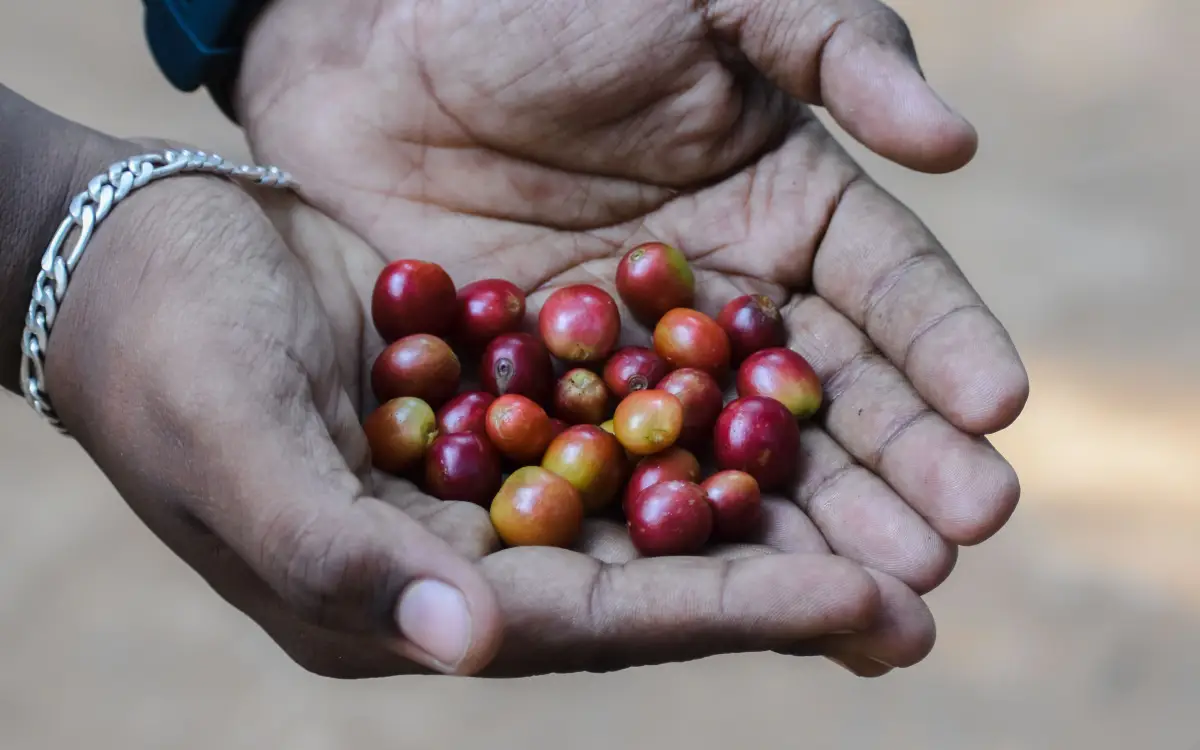
The Science and Structure Behind Kenyan Coffee Grading
Unlike origins where grading centers primarily on defect counts or micro-regions, Kenya’s dry milling system—regulated under strict parameters set by the Nairobi Coffee Exchange (NCE) and local milling standards—classifies green coffee predominantly by screen size, shape, and density.
Green coffee cherries undergo wet processing (fermentation and washing), sun-drying on raised African beds, and hulling. Once dry parchment is removed, metal perforated sieves (measured in 64ths of an inch) sort green beans mechanically.
While screen size ensures physical uniformity, a critical metric for thermodynamic stability during roasting—it is important for procurement officers to recognize that size does not automatically equate to cup score. A Grade AB lot from high-altitude Nyeri can easily out-cup a lower-density Grade AA lot from a lower elevation. However, size classification directly determines auction bidding dynamics, export pricing, and charge sizes in the roastery.
Detailed Breakdown of Core Export Grades: AA, AB, and PB
1. Grade AA: The High-Screen Benchmark
-
Screen Size: 17 to 18 (7.20mm+ hole diameter)
-
Physical Characteristics: Large, bold, uniform flat-sided beans with high physical density.
-
Sensory Profile: Vibrant, complex wine-like acidity, deep blackcurrant/grape notes, heavy syrupy body, and pronounced floral aromatics.
Grade AA represents the classic premium export grade. Because of their large mass and surface area, AA beans absorb conductive heat rapidly during early roast phases. Procurement teams targeting top-tier single-origin offerings look to AA for maximum shelf appeal and dramatic flavor intensity.
2. Grade AB: The Roaster’s Workhorse
-
Screen Size: 15 to 16 (6.20mm to 6.80mm hole diameter)
-
Physical Characteristics: A combination of "A" (screen 16) and "B" (screen 15) beans. Smaller than AA, accounting for roughly 40% of Kenya’s total annual production.
-
Sensory Profile: Crisp, structured citric acidity, stone fruit/citrus sweet notes, balanced medium body, clean finish.
Grade AB is arguably the most versatile grade for commercial roasting operations. Offering exceptional value per pound, high-grade AB lots routinely deliver cup qualities rivaling AA lots while providing tighter batch consistency and more forgiving drum-roast heat transfer.
3. Grade PB (Peaberry): The Dense Pearl
-
Screen Size: ~17 (sorted via specialized slotted/round sizing screens)
-
Physical Characteristics: Single, rounded oval seeds resulting from a natural mutation where only one ovule is fertilized inside the coffee cherry (making up roughly 5%–10% of a crop).
-
Sensory Profile: Concentrated sweetness, bright linear acidity, complex juice-like body, and elevated aroma.
From a roasting perspective, Peaberries transfer heat differently than flat-sided beans. Their rounded geometry allows them to roll smoothly inside the drum, minimizing scorching risk, while their compact cell structure requires intentional charge-temperature management.
Secondary and Specialty Commercial Grades
Beyond the core trio, green buyers should evaluate these additional secondary categories for blend formulation or specialized contract specs:
| Grade | Screen Size | Physical Description | Procurement & Cupping Notes |
| Grade E (Elephant) | Screen 20+ | Very large, fused double-seeds that split during processing. | Prone to tipping/scorching; prized for unique heavy body in specialty niche lots. |
| Grade C | Screen 12–14 | Smaller, thinner flat-sided beans separated from AB batches. | Lower acidity, lighter body; ideal for commercial roastery blends. |
| Grade TT | Density Separated | Density-sorted air-separator overflow from AA/AB screen passes. | Contains lighter/hollow beans; requires careful green evaluation to prevent uneven roasts. |
| Grade T / UG | Sub-12 / Mixed | Broken, thin fragments, or un-graded commercial sweepings. | Strictly used for low-cost commercial soluble or local market coffee. |
Key Considerations for Green Coffee Procurement & Quality Control
1. Distinguish Screen Size from Quality Classification (TOP, PLUS, FAQ)
In Kenyan trade, size grades (AA, AB) are often paired with auction quality descriptors:
-
TOP / FINE: Exceptional specialty lots scoring 87+ with vibrant origin character.
-
PLUS: Solid, clean specialty lots scoring 84–86 with consistent uniformity.
-
FAQ (Fair Average Quality): Standard commercial export grade (80–83 points) providing baseline origin profiles at accessible price points.
2. Moisture Content and Density Storage
Prior to approving shipping containers, confirm green moisture levels sit strictly within 9.0% to 12.0%. High-altitude Kenyan Arabicas (SL28, SL34, Ruiru 11, Batian) possess rigid cellular matrices. Ensure export packing includes Hermetic/GrainPro lining to preserve delicate organic acids during transit.
3. Roasting Machine Adjustments by Grade
-
AA Lots: Higher initial thermal mass capacity; requires sustained airflow late in the roast to develop large bean centers without baking.
-
AB Lots: Excellent thermal response; easier to land precise development times across medium-to-large roast batches.
-
PB Lots: Requires uniform drum rotation speed to maximize rolling contact and prevent localized charring.
Direct Sourcing & Procurement Support
Navigating origin logistics, sample approvals, and auction purchasing in East Africa requires reliable, transparent local partnership. At Maytac International Partners, we assist green coffee importers, roasters, and distributors in sourcing fully traceable, certified Kenyan green coffee lots tailored to exact grade and cupping specifications.
-
Email: info@maytacinternationalpartners.com
-
Website: www.maytacinternationalpartners.com
-
Phone / WhatsApp: +254 737 600 800
FAQs
Does Kenya AA always taste better than Kenya AB?
What makes Kenyan Peaberry (PB) coffee unique for roasters?
Peaberries occur when a coffee cherry yields one round seed instead of two flat seeds. Their round shape promotes smooth movement and even heat distribution in roast drums, while their compact density often yields concentrated aromatics and sweetness.
What cultivars are typically found in Kenya AA, AB, and PB grades?
Most premium export grades consist of classic Kenyan Arabica cultivars: SL-28 (prized for complex acidity), SL-34 (heavy body and dark fruit notes), alongside disease-resistant varieties like Ruiru 11 and Batian.
How does bean density affect green coffee shipping and storage?
Kenyan coffees grown at high altitudes (1,500m to 2,100m) feature dense cellular structures. Proper drying to 9%–12% moisture content coupled with hermetic packaging is required during ocean transport to prevent fade, woody flavors, or acid degradation.