
 WhatsApp A Coffee Expert
Origin
Kenya, Kiambu County
Overview
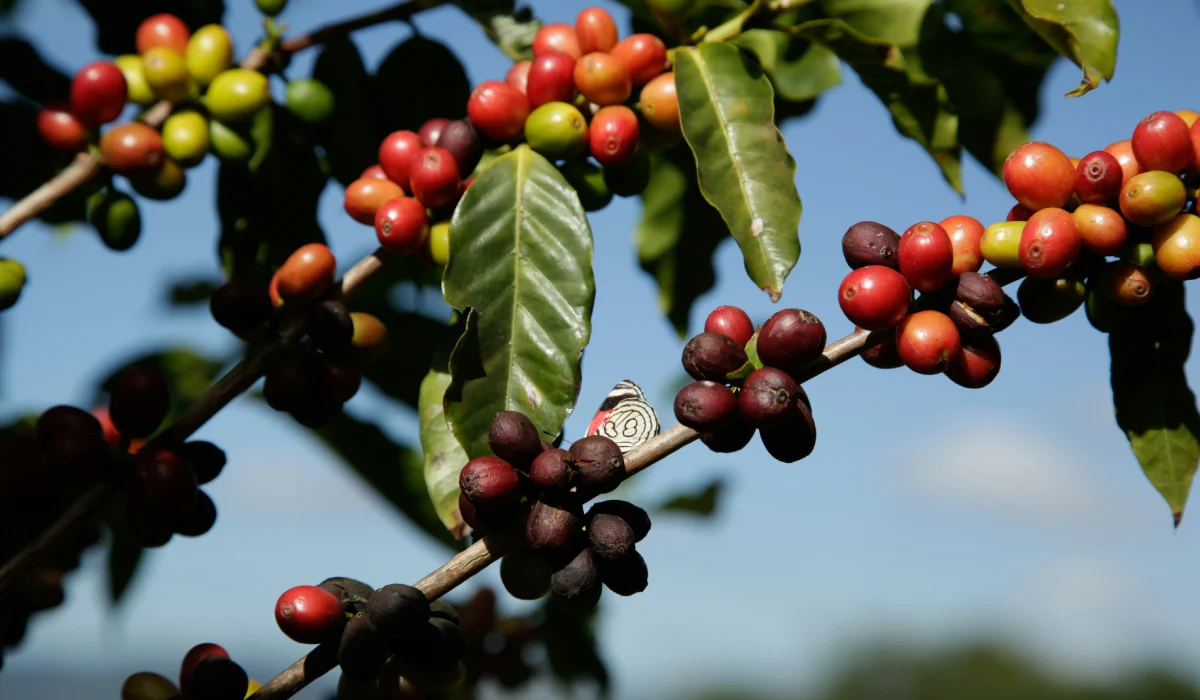
Kiambu Arabica AB is an exceptional single-origin specialty coffee grown across the historic, high-altitude coffee belt of Kiambu County, located along the southern foothills of the Aberdare Range.
Central Region | Coffee Grade AB
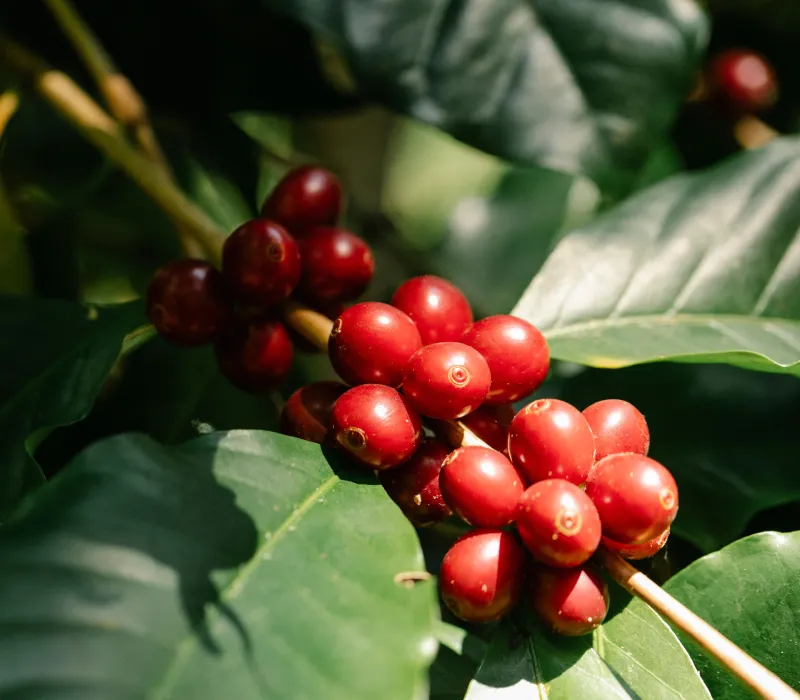
Cultivated between 1,500 and 1,900 meters above sea level in deep, nutrient-dense red volcanic soil, this coffee thrives in cool highland air and steady equatorial sunshine. The "AB" classification combines green coffee beans sorted through screen sizes 16 (Grade A) and 15 (Grade B), representing a substantial and flavor-packed portion of Kiambu’s specialty harvest. Fully double-fermented and sun-dried on raised African beds, Kiambu Arabica AB offers a remarkably balanced, approachable cup. It delivers crisp red apple and citrus acidity, sweet blackberry, cane sugar sweetness, and a smooth, medium-full body with dark cocoa undertones.
Price
USD 8.50 /Kg
Minimum order: 100.00 kg
At a glance
Put the information an importer or roaster needs to make an initial buying decision directly in front of them.
Origin
Kenya, Kiambu County
Grade
Coffee Grade AB
Altitude
1,500 – 2,100 m
Processing
Washed
Packaging
60 Kg GrainPro jute bags
Product
Kiambu Arabica AB
Varieties
SL28, SL34, Ruiru 11, Batian
Pricing
USD 8.50 /Kg
Get a Quote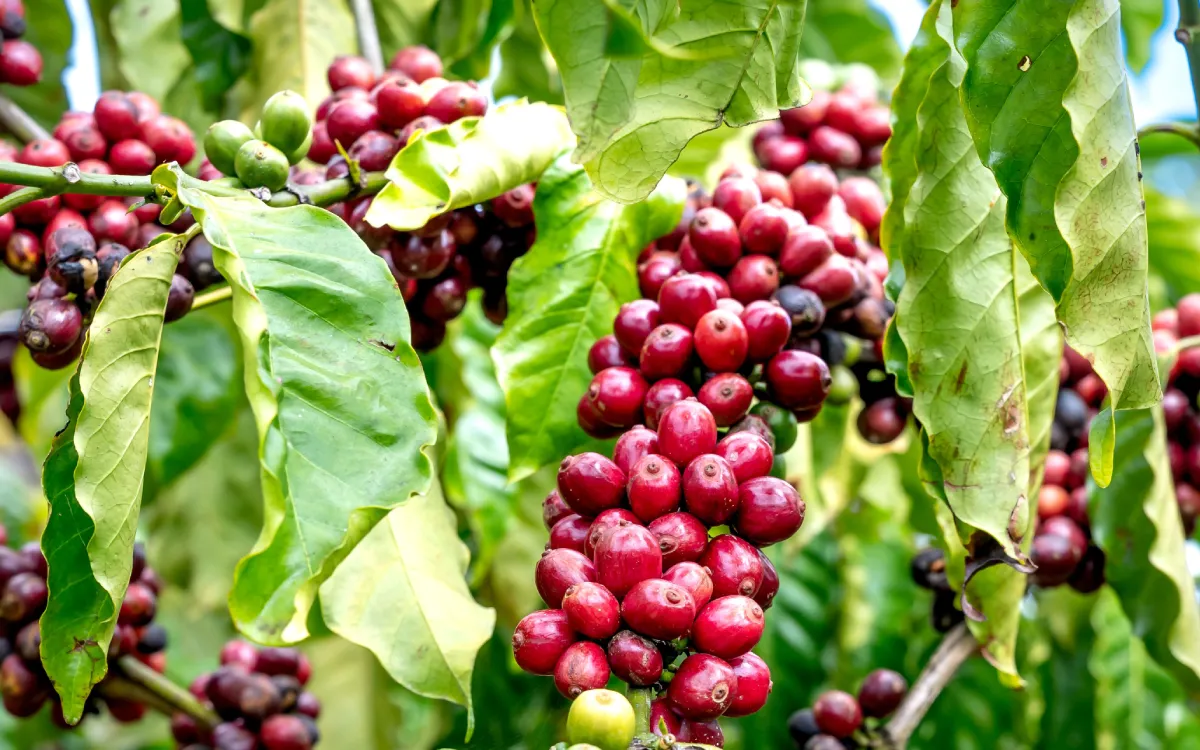
Cultivated in the fertile volcanic soils of Kenya’s central highlands, Kiambu Arabica AB represents classic East African coffee excellence. The medium-sized AB screen size captures an intense concentration of flavor, delivering a vibrant, complex cup that captures the region's world-renowned heritage.
Distinctive Flavor Profile
Optimal Growing Conditions
Rigorous Processing
Strict Quality Grading
High Market Demand
Kiambu Arabica AB highlights the heritage and exceptional agricultural quality of Kiambu County, one of Central Kenya's most storied coffee-producing landscapes. Bordering Nairobi to the north and extending toward the scenic Aberdare Ridge, Kiambu features a mixture of historic coffee estates and active smallholder farming cooperatives. Agriculture in this region takes place at elevated altitudes spanning 1,500 to 1,900 meters above sea level. These high elevations generate temperate daytime weather and cool mountain nights, extending the cherry growth window and fostering dense sugar synthesis inside the coffee seed.
The foundation of Kiambu’s terroir lies in its deep, highly porous red volcanic soil (Nitosols), which is rich in organic matter, iron, and essential plant minerals. Supported by bi-modal seasonal rains—the long rains from March to May and the short rains from October to December—the coffee trees receive ideal hydration. Local farmers primarily cultivate classic heirloom Arabica varieties, including SL-28 and SL-34, celebrated for their intense fruit characteristics and structured acidity, along with resilient modern cultivars like Ruiru 11 and Batian.
In the standardized grading system governed by the Coffee Directorate of Kenya and traded through the Nairobi Coffee Exchange, green coffee is mechanically sorted at dry mills after hulling. The "AB" classification combines two physical screen sizes: screen 16 (Grade A) and screen 15 (Grade B), corresponding to bean diameters of 6.00 to 6.80 millimeters. While slightly smaller than AA grade beans, AB beans comprise a major portion of a farm’s top-quality harvest. Due to their compact cellular structure and high physical density, Kiambu AB lots offer exceptional flavor concentration, high sweetness, and consistent heat absorption during roasting.
Processing of Kiambu Arabica AB follows Kenya's world-renowned double-fermentation wet milling method. Farmers selectively handpick fully ripe crimson cherries and deliver them on harvest day to local cooperative wet mills (factories). The cherries are pulped, density-sorted in fresh water channels, and fermented in concrete tanks for 24 to 36 hours to break down the natural mucilage layer. Following a secondary clean-water soak, the parchment is transferred to raised wooden African drying beds. Over 12 to 18 days of solar drying, workers continuously turn the coffee by hand to ensure uniform moisture loss until it reaches 10.5% to 11.5% moisture content.
In the cup, Kiambu Arabica AB presents a well-rounded and harmonious sensory experience. The aroma opens with sweet blackberry, orange blossom, and subtle cocoa. On the palate, it exhibits crisp citric and malic acidity reminiscent of red apple and fresh citrus, balanced by unrefined cane sugar sweetness, milk chocolate undertones, and a smooth, medium-full body that concludes with a clean finish.
To explore international specialty coffee grading frameworks, cupping standards, and origin dynamics, visit the Specialty Coffee Association or review statistical publications maintained by the International Coffee Organization.
Kiambu Arabica AB performs magnificently under light-to-medium roast profiles, preserving its lively acidity and fruit notes while bringing out its natural caramel sweetness. For brewing, manual pour-over devices like the Hario V60, Chemex, or Kalita Wave highlight its crisp acidity and red fruit clarity. When prepared in an AeroPress or automatic drip machine, its chocolate sweetness, rounded mouthfeel, and balanced citrus notes shine.
Discover the processing method, flavour profile, and qualities that define this coffee.
SL-28: Renowned heirloom selection prized for its complex phosphoric acidity, deep blackcurrant notes, and lingering sweetness.
SL-34: High-altitude variety that contributes citrus brightness, heavy mouthfeel, and rich stone-fruit undertones.
Ruiru 11: Compact hybrid developed for resistance to Coffee Berry Disease and Coffee Leaf Rust, adding structural balance and cocoa notes.
Batian: Modern CRI cultivar resistant to major diseases, offering clean cup clarity, floral aromas, and vibrant citrus fruitiness.
Fully washed processing, a meticulous method that enhances clarity and complexity
Selective handpicking of only ripe cherries by trained farmers
Cherry sorting at intake ; under and over ripe are removed by dedicated cherry clerks
Pulping using disk pulpers to remove outer skin
Fermentation for 12–24 hours to break down mucilage
Soaking for up to 24 hours—research shows this adds points to final cup scores
Drying on raised beds for 7–21 days, with frequent turning for even moisture
For more on quality standards and post-harvest procedures, visit the Specialty Coffee Association.
Aroma: Jasmine florals, sweet black tea, and fresh citrus zest.
Acidity: Crisp, bright citric acidity featuring notes of grapefruit and sweet orange.
Flavor Notes: Tree tomato sweetness, red plum, blackcurrant, and subtle brown sugar.
Body & Finish: Smooth, medium-full body with a clean, sweet finish featuring subtle dark cocoa.
Versatile Screen 15/16 Grade: Premium AB size offering exceptional flavor density and uniform roasting character.
Prime High-Altitude Terroir: Grown between 1,500 and 2,000 meters in deep red volcanic soil along the Aberdare foothills.
Double-Fermentation Washed: Traditional wet processing delivers outstanding cup clarity, bright acidity, and long shelf stability.
Balanced Flavor Profile: Pairs vibrant acidity with rich fruit sweetness for high cup versatility across brew methods.
Workhorse of Specialty Coffee: Ideal both as an accessible single-origin offering and as a bright, aromatic component for premium espresso blends.
Export Process · Maytac International Partners
Every lot of Kiambu Arabica AB follows the same disciplined path, from your first inquiry to the moment your shipment lands.
You reach out with your interest in our Kiambu Arabica AB or any other premium offering.
We provide a transparent, competitive quote tailored to your volume and specifications.
A representative sample is sent to you for cupping and evaluation — your first taste of the quality we stand behind.
You cup the coffee, assess its flavor, aroma, and body, and give us the green light.
Once the sample meets your standards, you confirm the order and we prepare your lot for export.
We handle logistics, documentation, and dispatch, ensuring your coffee arrives fresh and on time.
You reach out with your interest in our Embu Arabica AA or any other premium offering.
We provide a transparent, competitive quote tailored to your volume and specifications.
A representative sample is sent to you for cupping and evaluation — your first taste of the quality we stand behind.
You cup the coffee, assess its flavor, aroma, and body, and give us the green light.
Once the sample meets your standards, you confirm the order and we prepare your lot for export.
We handle logistics, documentation, and dispatch, ensuring your coffee arrives fresh and on time.
The "AB" grade represents a combination of screen size 16 (Grade A, 6.80mm) and screen size 15 (Grade B, 6.00mm) green coffee beans under Kenya’s official sorting system. Though physically smaller than AA grade beans, AB beans represent a significant portion of high-altitude yields and deliver exceptional flavor concentration and balance.
Kiambu Arabica AB is cultivated by smallholders and estates along the southern slopes of the Aberdare Range in Kiambu County at elevations between 1,500 and 1,900 meters. The region's red volcanic soil, steady rainfall, and cool highland climate promote slow cherry maturation, resulting in crisp red apple acidity, sweet fruit clarity, and rich cocoa undertones.
The primary difference lies in bean size and screen classification. AA beans are larger (screens 17 and 18), whereas AB beans consist of screens 15 and 16. In terms of taste, while AA often presents a heavier body and intense dark plum depth, AB frequently offers a brighter, crisp acidity with high sweetness and citrus balance.
It is processed using Kenya's traditional double-fermentation fully washed (wet) method. Handpicked ripe cherries are pulped, fermented in clean water to dissolve mucilage, washed, soaked, and sun-dried on raised African drying beds prior to dry milling and mechanical screen sorting.
Pour-over methods (such as Hario V60 or Chemex) best showcase its bright citric acidity, delicate floral aromas, and crisp red apple notes. An AeroPress or drip coffee maker brings out its smooth body, cane sugar sweetness, and chocolate undertones.
We use essential cookies for secure site operation. You can also allow analytics and marketing cookies for improved performance and ad relevance.