Maytac logo
← Back to regions

Coffee Region

Kenya Rift Valley Coffee

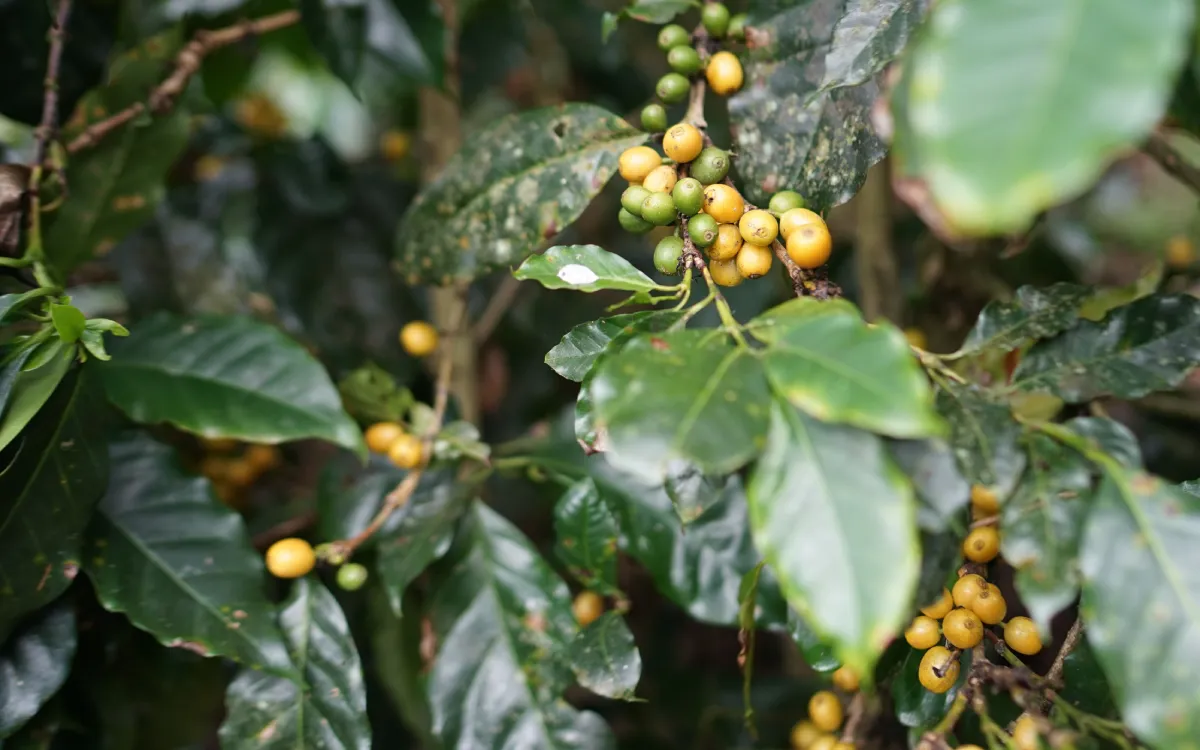
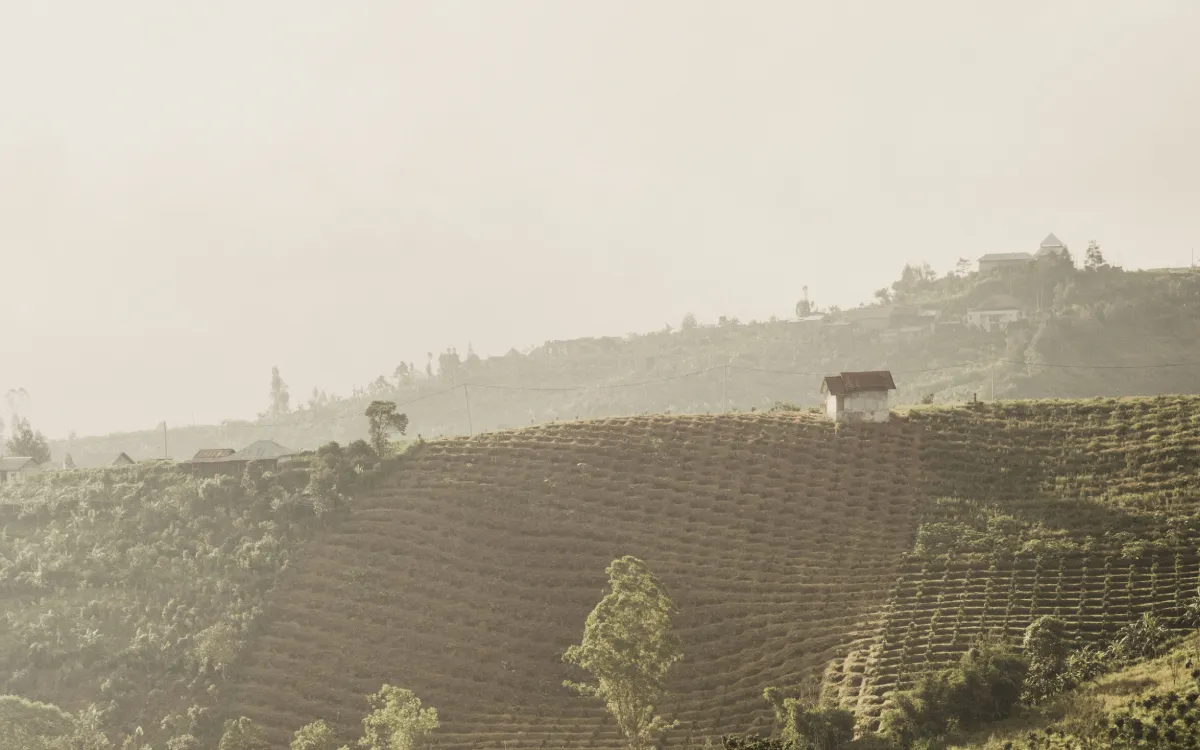
Kenya’s Rift Valley is the country's fastest-growing coffee-producing region. Led by Kericho, Nakuru, Nandi, Bomet, Trans Nzoia, Uasin Gishu, and Baringo, this region combines fertile volcanic soils and high altitudes (1,200–2,100m) to yield specialty Arabica coffee. Known for bright citric acidity, full body, and fruit-forward flavor profiles, Rift Valley coffee represents the next frontier in Kenyan specialty origin.

Kenya Rift Valley Coffee

Sub-regions

3

Products

4

Collection

Premium Origin

Coffee Region

Kenya Rift Valley Coffee

Kenya’s Rift Valley is the country's fastest-growing coffee-producing region. Led by Kericho, Nakuru, Nandi, Bomet, Trans Nzoia, Uasin Gishu, and Baringo, this region combines fertile volcanic soils and high altitudes (1,200–2,100m) to yield specialty Arabica coffee. Known for bright citric acidity, full body, and fruit-forward flavor profiles, Rift Valley coffee represents the next frontier in Kenyan specialty origin.

Region Story

Kenya's Great Rift Valley region is emerging as the nation's most dynamic specialty coffee-producing origin. Historically dominated by maize, wheat, and tea cultivation, the fertile volcanic highlands of the North and South Rift are undergoing an agricultural pivot toward high-value Arabica coffee. In the 2025/2026 trade season, Kericho County surpassed traditional heavyweights like Kirinyaga to become Kenya's leading coffee-producing county by volume and auction value. Kericho alone delivered over 6.0 million kilograms of clean coffee valued at over USD 41 million through the Nairobi Coffee Exchange. Together with neighboring Western and North Rift producing zones, these counties contributed 12.44 million kilograms of clean coffee—accounting for 34% of national market volumes.

The terroir of the Great Rift Valley is defined by high elevations ranging between 1,200 and 2,100 meters above sea level, temperate microclimates, and rich, deep red volcanic loam. These soils, derived from ancient volcanic activity, boast optimal pH levels (5.5–6.5), superior water retention, and high mineral content. Combined with cool high-altitude temperatures, the region’s climatic conditions cause coffee cherries to mature slowly, concentrating complex sugars and distinct organic acids within the bean.

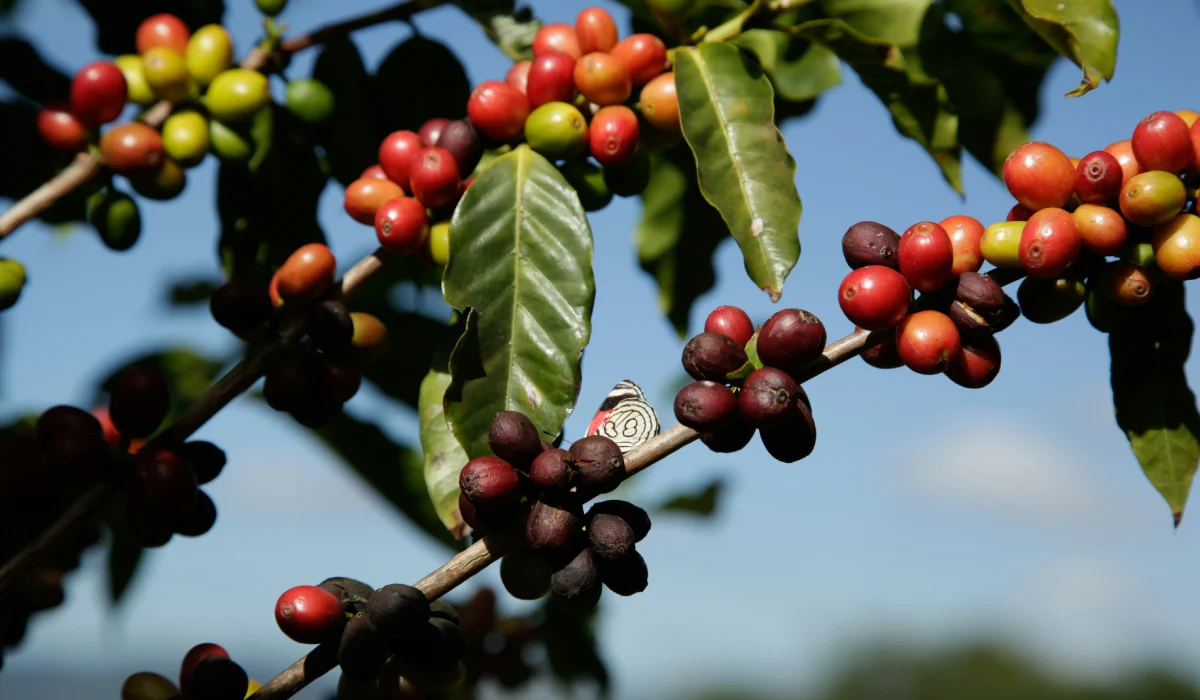
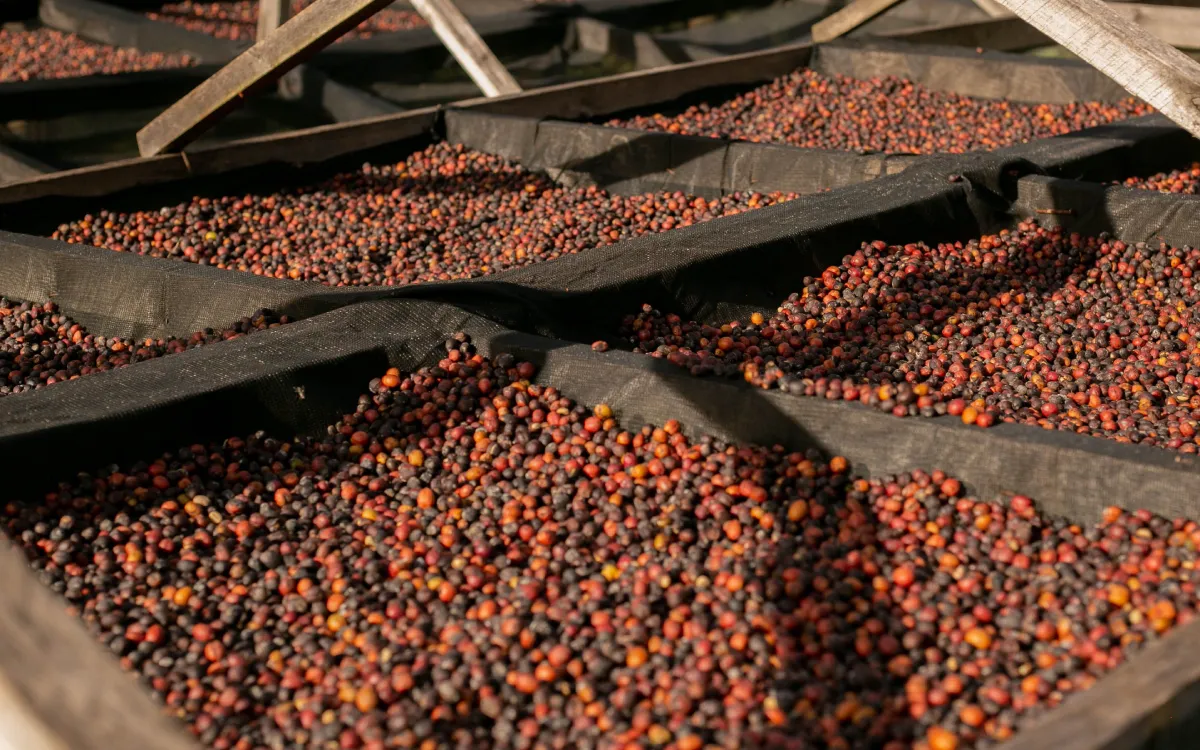
The region predominantly grows high-yield, complex Arabica varieties, including Scott Laboratories SL28 and SL34, along with disease-resistant hybrids Ruiru 11 and Batian. Processing across the Rift Valley's 35+ active factories follows the rigorous traditional fully washed method. Hand-picked ripe cherries are pulped using disk pulpers, fermented for 12 to 24 hours, washed through grading channels, and sun-dried on raised African beds for up to 20 days.

In the cup, Rift Valley coffees exhibit remarkable clarity, vibrant citric acidity, and a syrupy mouthfeel. Flavor notes range from ruby grapefruit, blackcurrant, plum, and raspberry to complex undertones of brown sugar, nutmeg, and cacao. With direct trade initiatives such as the Kipkelion District Cooperative Union's direct shipments to international markets, the Rift Valley offers international roasters full traceability and world-class specialty coffee.

Sub-regions

Distinct origin blocks within Kenya Rift Valley Coffee

Use these sections to introduce estates, districts, washing stations, or elevation bands with dedicated imagery and more persuasive storytelling.

Kericho County

Sub-region 01
Kericho County

Kericho County has undergone a quiet revolution, where expansive maize fields are steadily giving way to flourishing coffee plantations. Now ranked as Kenya's leading coffee-producing county in both production and auction value, Kericho's rise has been driven by sustained investment, favourable climatic conditions, and deliberate county interventions. Coffee farming has expanded beyond traditional growing areas of Kipkelion West to Kipkelion East, Londiani, Sigowet/Soin, Belgut, Lower Ainamoi and Lower Bureti. The county has distributed more than one million certified coffee seedlings to over 20,000 farmers through the Equalizer Seedlings Empowerment Programme.

Soil Profile

Fertile volcanic soils derived from ancient volcanic activity in the Great Rift Valley. These deep, well-drained red volcanic loams are rich in organic matter, iron, and essential minerals. The soils provide excellent drainage and water retention properties, with optimal acidity levels (pH 5.5–6.5) that coffee trees thrive in. The combination of volcanic fertility and high-altitude conditions allows beans to develop slowly, accumulating maximum sugar content and complex flavour precursors.

Cooperative Societies and Factories

Kericho County has supported 43 coffee cooperative societies with pulping machines, parchment stores and solar dryers, alongside constructing the Kipkelion Coffee Union mill store to improve post-harvest handling and marketing.

  • Torsogek Coffee Farmers' Cooperative Society — Recognised as the best-performing coffee cooperative in the county. The society paid Sh190 per kilogramme of coffee cherry to its 379 members—Sh100 as a first payment and Sh90 as a second—for a total of 41,928 kilograms delivered. Members earned at least Sh3.9 million last season and are targeting 70,000 kilogrammes this coming season.

  • Kipkelion District Cooperative Union (KDCU) — A major union bringing together thousands of farmers from Kericho, Bomet, and Nandi counties. The union made history as the first cooperative in Kenya to export 134 metric tonnes directly to South Korea.

  • Kabng'etuny Farmers' Cooperative Society — Serving over 500 households in Kericho County.

  • Chepnorio Farmers' Cooperative Society — Transformed through partnership with Agriterra, with coffee production surging from 700,000 kilograms in 2022 to 1.5 million kilograms by 2024.

  • Kapngetuny Coffee Cooperative Company and Koisagat Coffee Cooperative Society — Additional key players in Kericho's expanding coffee sector.

Varieties

SL28, SL34, Ruiru 11, and Batian.

Processing

Fully washed processing is the standard. Cherries are selectively handpicked, sorted at intake, pulped using disk pulpers, fermented for 12–24 hours, washed through grading channels, and dried on raised beds for 10–20 days.

Cup Profile

Kericho coffees are celebrated for their bright acidity, full body, and complex fruit-forward profiles. Typical flavour descriptors include ruby grapefruit, raw sugar, plum, nutmeg, blackcurrant, and deep molasses notes. The cup exhibits a round full body, vibrant acidity, and a sweet, lingering finish with hints of caramel.

Nakuru

Sub-region 02

Nakuru

Overview

Nakuru County is emerging as a significant coffee producer in the Rift Valley, with coffee farming concentrated in Bahati, Subukia, and Rongai sub-counties. The Nakuru Coffee Societies Union represents over 1,100 farmers across eight cooperative societies. The county government, through the Nakuru Coffee Forum, is actively working with cooperative societies to revamp the sector and access foreign markets.

Soil Profile

Fertile volcanic soils from the Great Rift Valley's ancient volcanic activity. The region features deep, well-drained red volcanic loam rich in organic matter, phosphorus, and potassium. Warm daytime and cooler nighttime temperatures allow beans to develop slowly, accumulating maximum sugar content and complex flavour profiles.

Cooperative Societies and Factories

The Nakuru Coffee Societies Union comprises seven key cooperative societies:

  • Mutungati Farmers' Cooperative Society — Established in 1985, currently serving over 450 registered members. Recognised as the best-managed coffee cooperative society in Nakuru.

  • Jumatatu Farmers' Cooperative Society — A key player in the Bahati coffee-growing region.

  • Wikurie Farmers' Cooperative Society — Serving coffee farmers in the Subukia area.

  • Ndemu Farmers' Cooperative Society — Active in the Rongai coffee-growing belt.

  • Mandizini Farmers' Cooperative Society — Contributing to Nakuru's growing coffee output.

  • Solai Farmers' Cooperative Society — Serving farmers in the Solai region.

  • Kiremba Farmers' Cooperative Society — A foundational member of the Nakuru coffee cooperative network.

Bahati Specialty Coffee Growers Cooperative Society (BSCGCS) — A newer cooperative comprising farmers from Bahati, Subukia, and Rongai sub-counties, focused on specialty coffee production.

Varieties

SL28, SL34, Ruiru 11, and Batian.

Processing

Fully washed. Handpicked cherries sorted at intake, pulped, fermented 12–24 hours, washed, and dried on raised beds for 7–15 days.

Cup Profile

Nakuru coffees feature bright, vibrant acidity with complex fruit notes. Expect blackcurrant, citrus, berry, and wine-like undertones with a full body and sweet, lingering finish. The cup offers exceptional clarity and a long, clean aftertaste.

Nandi County

Sub-region 03

Nandi County

Overview

Nandi County, nestled in the Tinderet hills, is a rising star in Kenya's coffee landscape. The county has seen over 60 cooperative societies consolidate their operations, and has recorded a 92 per cent increase in auction volumes at the Nairobi Coffee Exchange. Nandi's high-altitude coffee-growing areas, with elevations reaching 1,900 metres above sea level, produce exceptional specialty coffees.

Soil Profile

Fertile red volcanic soils rich in organic matter and essential minerals. The deep volcanic loam provides excellent drainage and water retention, with optimal pH levels for coffee cultivation. The high-altitude Tinderet hills offer cool temperatures and ample rainfall, allowing cherries to mature slowly and develop complex flavour profiles.

Cooperative Societies and Factories

  • Kaabirer Farmers Cooperative Society (FCS) — Built in 1986, Kaabirer Factory is nestled high in the Tinderet hills. The cooperative serves 950 active farmer members who deliver cherry to the wet mill. Farmers manage small plots averaging 300 coffee trees each.

  • Kabunyeria Farmers Cooperative Society — One of Nandi's oldest cooperatives.

  • Kapngendui, Kapkiyai, Sirwo, Kapsaos, and Kapkulumben Cooperative Societies — Among the established cooperatives that have consolidated their operations.

Varieties

SL28, SL34, Ruiru 11, and Batian.

Processing

Fully washed. Cherries are handpicked, sorted, pulped, fermented in concrete tanks for 12–24 hours, washed through grading channels, and dried on raised beds for 10–20 days.

Cup Profile

Nandi coffees are characterised by clean, structured profiles with regional distinction. Expect bright acidity, complex fruit notes, and exceptional cup clarity. The high-altitude growing conditions contribute to intense flavour concentration and a sweet, lingering finish.

FAQs

Answer sourcing, logistics, or profile questions directly on the page to reduce drop-off before inquiry.

What makes Kenya Rift Valley coffee unique compared to Central Kenya coffee?

Rift Valley coffee benefits from high altitudes (1,200–2,100 meters above sea level) combined with deep, mineral-rich red volcanic loam from the Great Rift Valley system. While Central Kenya (e.g., Kirinyaga, Nyeri) is known for intense blackcurrant and savory tomato-like acidity, Rift Valley coffees present a brighter, fruit-forward cup with notes of ruby grapefruit, plum, raw sugar, citrus, and a juicy body.

Which coffee varieties are cultivated in the Rift Valley?

The main Arabica varieties grown in the region are SL28 and SL34 (traditional Scott Labs cultivars prized for complex acidity and flavor depth), alongside Ruiru 11 and Batian (hybrids resistant to Coffee Berry Disease and Coffee Leaf Rust that mature within two years).

How is coffee processed in the Kenya Rift Valley?

The dominant processing standard is the fully washed (wet) method. Ripe cherries are selectively handpicked, sorted, pulped using disk pulpers, fermented for 12–24 hours to break down mucilage, washed in grading channels, and sun-dried on raised African beds for 7–20 days.

Cookie Preferences

We use essential cookies for secure site operation. You can also allow analytics and marketing cookies for improved performance and ad relevance.