
 WhatsApp A Coffee Expert
Origin
Kenya, Kericho County
Overview
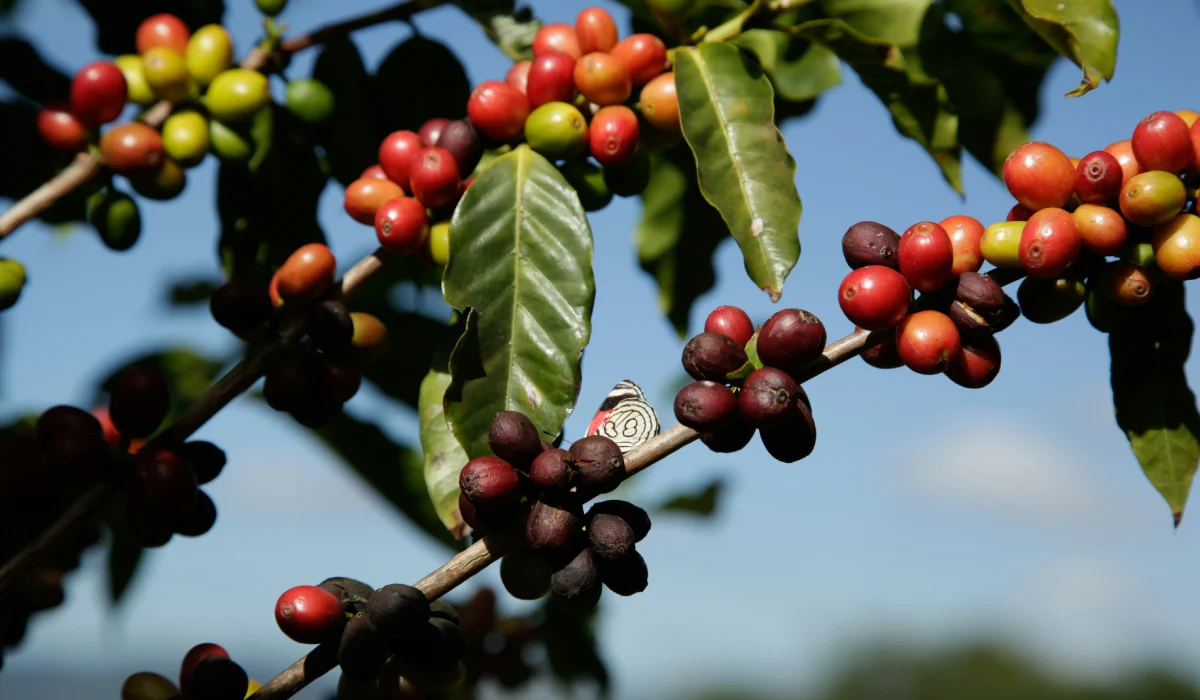
Kericho Arabica C is a high-value, smaller-screen specialty green coffee grown in the nutrient-rich volcanic highlands of Kericho County, west of the Rift Valley. Fully washed and double-fermented, this grade offers an exceptional balance of crisp malic acidity, milk chocolate sweetness, and outstanding economic utility for commercial espresso blends.
Kenya Rift Valley Coffee | Coffee Grade C
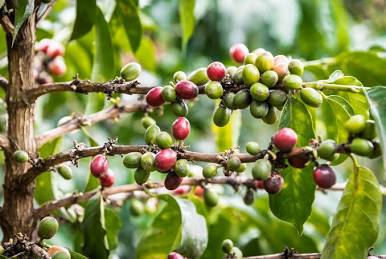
Discover the outstanding blend utility and value of Kericho Arabica C green coffee beans, exported by Maytac International Partners Limited. Sourced from high-altitude smallholder farms across Kericho County (1,600 to 1,950 meters), Grade C consists of smaller beans sorted below screen size 15 that pass through screen 12/13/14. Despite its smaller physical footprint, Kericho Arabica C retains authentic Western Rift Valley sensory traits—delivering balanced malic acidity, smooth medium body, clean cane sugar sweetness, and rapid roasting performance.
Price
USD 7.70 /Kg
Minimum order: 100.00 kg
At a glance
Put the information an importer or roaster needs to make an initial buying decision directly in front of them.
Origin
Kenya, Kericho County
Grade
Coffee Grade C
Altitude
1,600 – 1,950 m
Processing
Washed
Packaging
60 Kg GrainPro jute bags
Product
Kericho Arabica C
Varieties
SL28
SL34
Batian
Ruiru 11
Pricing
USD 7.70 /Kg
Get a Quote
Cost-Effective Quality: Offers authentic high-altitude Kenyan flavor profiles at a lower price point than AA or AB grades.
Rapid Heat Transfer: Smaller physical screen size allows quick, uniform roasting and efficient heat absorption.
Fertile Volcanic Soil: Cultivated in mineral-dense red soil in the highlands west of the Great Rift Valley.
Excellent Blend Anchor: Adds bright acidity, sweetness, and clean complexity to commercial espresso and drip blends.
Traditional Double-Washed: Processed using rigorous wet milling, soaking, and sun-drying on African beds for high clarity.
Kenya Kericho Arabica C presents an exceptional opportunity for commercial specialty roasters seeking the iconic sensory traits of high-altitude Rift Valley coffee at a highly accessible price point. Cultivated across the lush, high-altitude highlands of Kericho County, west of the Great Rift Valley, this grade reflects the exact same high-altitude microclimate, fertile soil chemistry, and traditional washing practices as flagship Grade AA and AB lots. At Maytac International Partners Limited, we curate, grade, and export density-sorted Grade C green coffee that fulfills strict international market specifications while providing outstanding cup quality and economic value.
In the traditional Kenyan grading system governed by the Coffee Directorate of Kenya, coffee is sorted primarily by physical bean size using standard mechanical screen sieves. Grade C encompasses smaller-sized beans that fall below Grade AB (screens 15 and 16) but remain larger than lightweight or defective categories (such as Grade TT or T). Typically retained by screen sizes 12, 13, and 14 (12/64ths to 14/64ths of an inch), Grade C coffee consists of fully mature seeds that developed smaller due to branch positioning or natural cherry size variation. Because bean density and cellular maturity remain exceptionally high, Grade C retains the dynamic flavor precursors characteristic of its origin.
The geographic region of Kericho County plays a defining role in shaping the quality of Kericho Arabica C. Grown by smallholder farming families affiliated with local Farmers Cooperative Societies (FCS), the coffee trees thrive at elevations between 1,600 and 1,950 meters above sea level. The region is endowed with deep, free-draining red volcanic soils rich in nitrogen, phosphorus, and organic minerals. Combined with abundant rainfall and cool highland temperatures, these conditions encourage a slow, steady growth cycle. The cherries accumulate natural sugars and dynamic organic acids, giving Grade C its distinctively vibrant, refreshing cup profile.
Grade C coffee shares the exact same processing rigor as flagship Grade AA and AB lots. Freshly harvested cherries are hand-picked at peak ripeness and processed on the same day at primary wet mills (factories). The outer skin is mechanically removed, and the parchment undergoes traditional double-fermentation for 24 to 36 hours to break down natural mucilage layers. After thorough washing in clean mountain water channels, the parchment is soaked for an additional 12 to 24 hours. The coffee is then sun-dried on raised African drying beds for 7 to 14 days until reaching a stable moisture content between 10.5% and 12%. At the dry mill, mechanical screens and air separators isolate Grade C with high precision.
For coffee roasters, Kericho Arabica C is a highly functional tool in blend formulation and commercial single-origin offerings. Due to its smaller screen size, Grade C heats rapidly and uniformly during the roasting cycle. Roasters can achieve efficient conductive and convective heat transfer without needing extreme initial charge temperatures. In light-to-medium roasts, Kericho Arabica C showcases crisp malic acidity, Meyer lemon, and subtle red berry tones. Medium and dark roasts develop a smooth chocolate richness, toasted nut complexity, and structured body, making it an ideal anchor component for espresso blends requiring bright top notes without excessive cost.
At Maytac International Partners Limited, we are dedicated to supporting sustainable coffee agriculture across Kenya's western highlands. By sourcing Grade C coffee alongside larger lots, we ensure that smallholder farmers receive fair economic valuation for their entire harvest yield. Importers and roasters partnering with Maytac benefit from stringent quality checks, GrainPro moisture-barrier packaging, complete lot traceability, and full export compliance aligned with the standards of the Specialty Coffee Association (SCA).
Discover the processing method, flavour profile, and qualities that define this coffee.
SL28: A renowned drought-resistant Bourbon-lineage cultivar developed in Kenya during the 1930s, prized for its intense acidity, bright fruit clarity, and long-lasting sweetness.
SL34: A high-altitude Bourbon selection that thrives under heavy rainfall conditions like Kericho, adding heavy body, deep sweet citrus tones, and fragrant floral aromatics to the cup.
Batian: A modern disease-resistant variety developed by Kenya's Coffee Research Institute (CRI) that protects against Coffee Berry Disease while providing cup quality comparable to traditional SL varieties.
Ruiru 11: A compact, high-yielding hybrid cultivar developed for disease resistance, contributing physical density, balanced body, and roasting stability to multi-varietal farm lots.
Kericho Arabica C is fully washed using traditional double-fermentation methods at cooperative wet mills in Kericho County. Smallholder farmers deliver hand-picked ripe cherries for same-day pulping. The parchment coffee ferments dry for 24 to 36 hours to loosen mucilage before being washed in clean stream water and soaked in freshwater tanks for up to 24 hours. The parchment is dried on raised African beds under sun exposure for 7 to 14 days until moisture levels reach 10.5% to 12%. During dry milling, precision screen sorters isolate the smaller Grade C beans (screens 12 to 14).
Aroma: Jasmine, ripe plum, milk chocolate, and sweet cane sugar.
Flavor: Crisp Meyer lemon, red plum, cocoa nibs, subtle blackberry, and brown sugar.
Acidity: Bright, clean, refreshing malic and citric acidity.
Body: Smooth, balanced, light-to-medium mouthfeel.
Aftertaste: Clean and brisk with lingering citrus zest and dark cocoa sweetness.
Overall Cup Score: 83–85 SCA Points.
Primary selling point: Unbeatable combination of authentic Kericho cup quality and commercial affordability.
Bean size: Smaller screen size than Grade AA or AB, but full cup complexity is preserved.
Origin and terroir: Grown at high altitude on mineral-rich volcanic soils, ensuring authentic Kenyan origin character.
Flavor profile: Crisp malic acidity, juicy sweetness, and a clean finish.
Target users: Ideal for both specialty and commercial roasters.
Applications: Suited for high-volume roastery lineups and proprietary blends.
Business advantage: Enables favorable profit margins without sacrificing quality.
Sourcing: Supplied through Maytac International Partners Limited.
Export Process · Maytac International Partners
Every lot of Kericho Arabica C follows the same disciplined path, from your first inquiry to the moment your shipment lands.
You reach out with your interest in our Kericho Arabica C or any other premium offering.
We provide a transparent, competitive quote tailored to your volume and specifications.
A representative sample is sent to you for cupping and evaluation — your first taste of the quality we stand behind.
You cup the coffee, assess its flavor, aroma, and body, and give us the green light.
Once the sample meets your standards, you confirm the order and we prepare your lot for export.
We handle logistics, documentation, and dispatch, ensuring your coffee arrives fresh and on time.
You reach out with your interest in our Embu Arabica AA or any other premium offering.
We provide a transparent, competitive quote tailored to your volume and specifications.
A representative sample is sent to you for cupping and evaluation — your first taste of the quality we stand behind.
You cup the coffee, assess its flavor, aroma, and body, and give us the green light.
Once the sample meets your standards, you confirm the order and we prepare your lot for export.
We handle logistics, documentation, and dispatch, ensuring your coffee arrives fresh and on time.
In Kenya, Grade C refers to green coffee beans sorted by physical size through mechanical screens with hole diameters smaller than Grade AB (below screen 15, typically screens 12 to 14). Grade C consists of smaller, fully developed beans that retain authentic high-altitude Kenyan flavor profiles while offering competitive market pricing.
Kericho Arabica C is highly versatile. It works wonderfully as a value-driven single-origin offering for everyday drinking, and it excels as a key component in espresso and drip blends, adding bright malic acidity, clean sweetness, and fruit complexity without overpowering other origins.
Because Grade C beans are smaller in screen size, they absorb thermal energy rapidly and uniformly during roasting. Roasters often adjust initial charge temperatures slightly lower or shorten overall roast duration to achieve optimal bean development, resulting in energy-efficient roasts and vibrant cup flavor.
We use essential cookies for secure site operation. You can also allow analytics and marketing cookies for improved performance and ad relevance.