
Navigating High-Stakes Coffee Logistics: Resolving Port Delays in Kenya Specialty Export
When a 500-bag container of premium Embu AA Arabica bound for the United Kingdom was flagged at the Port of Mombasa, a $2.6 million deal hung in the balance. With vessel turnaround delays and newly tightened container inspection protocols threatening a strict buyer deadline, rapid intervention was critical. This case study details how Maytac International Partners mobilized immediate regulatory and clearing solutions to resolve port bottlenecks within four hours, safeguarding high-value green coffee shipments, protecting traceability, and ensuring seamless supply chain execution for global buyers.
The Crisis: High-Stakes Logistics at 3:00 AM
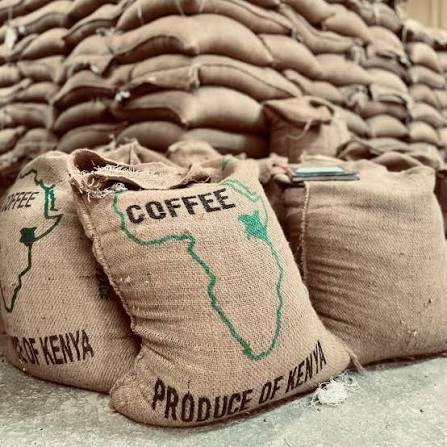
At 3:00 AM in Nairobi, a critical alert arrived from logistics operators at the Port of Mombasa. A shipping container loaded with 500 bags of premium Embu AA Arabica, destined for a United Kingdom roaster at a direct-contract rate of $483.90 per bag, had been flagged during port intake.
Newly introduced mandatory container inspection protocols designed to assess cleanliness, structural suitability, and phytosanitary conditions created severe operational bottlenecks across the terminal. The container carrying the Embu AA shipment was assigned a secondary inspection tier, introducing a potential 72-hour delay. With vessel turnaround schedules tightly constrained and the UK buyer operating on non-negotiable roastery production deadlines, any multi-day delay threatened contract cancellation, financial default, and reputation damage across the value chain.
Product Profile: The Value of Embu AA Arabica
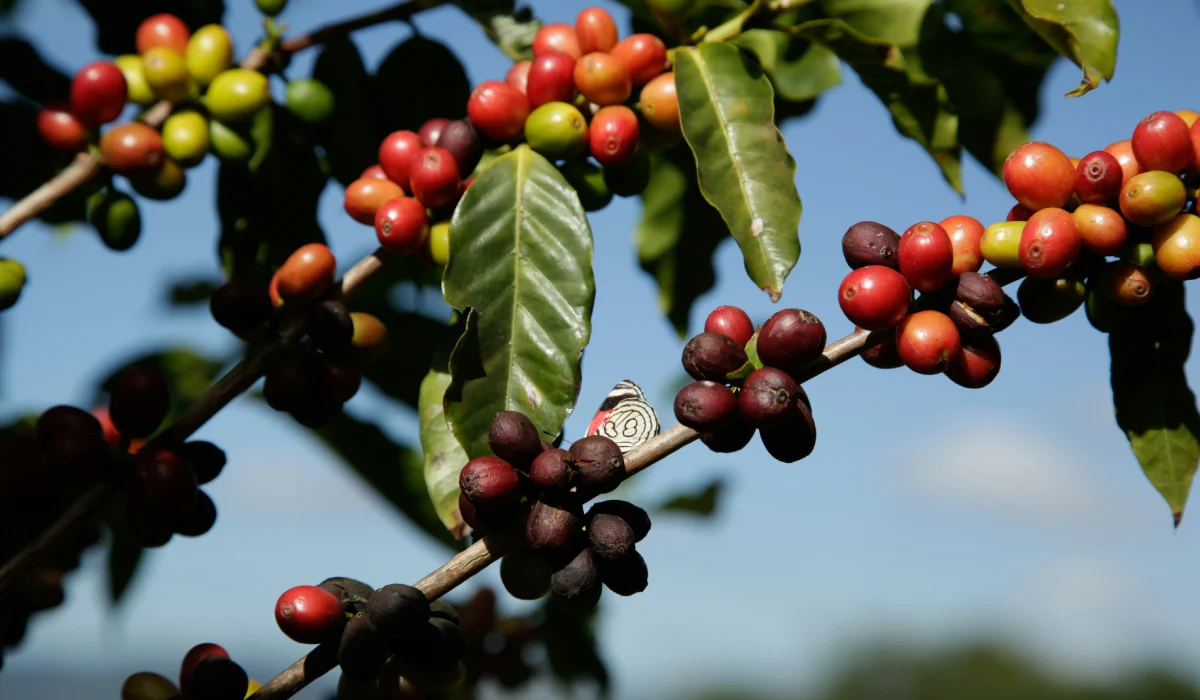
The flagged cargo represented the peak of Kenyan specialty coffee production. Cultivated on the fertile volcanic slopes of Mount Kenya at elevations ranging from 1,500 to 2,000 meters above sea level, Embu Arabica is renowned for its vibrant phosphoric acidity, dense body, and complex blackcurrant notes.
| Technical Specification | Parameter / Standard | Export Significance |
| Origin & Elevation | Embu County, Mount Kenya (1,500m – 2,000m) | High elevation yields high density and concentrated flavor precursors |
| Grade Classification | Grade AA (Screen 18 / 7.14mm+ mesh) | Top physical size tier; commands premium pricing in direct trade |
| Market Segment | Direct Sales Window (UK Specialty Market) | Bypasses traditional auction for negotiated premium pricing |
| Volume & Contract Value | 500 bags (30,000 kg total lot weight) | Direct component of a multi-container $2.6M export allocation |
The UK direct sales market represents a critical, high-value window for Kenyan origin coffees. Recent market data highlights the strength of this corridor:
UK Direct Sales Export Growth


2025/2026 Volume :  294,507 kg  (53% of Direct Sales Window)
Initial Val. Avg :  $447.00 / 50kg bag ($2.63M total value)
Peak Direct Price:  $483.90 / 50kg bag (+77% over baseline auction rates)
At these valuations, physical care, regulatory compliance, and rapid transit are non-negotiable prerequisites for maintaining buyer trust.
The Solution: Rapid Operational Intervention
Resolving the bottleneck required immediate, multi-agency coordination across clearing agents, port authorities, and regulatory inspectors.
-
Expedited Regulatory Clearance: Maytac's regulatory division liaised directly with port authorities and Kenya Revenue Authority (KRA) officers to fast-track the container’s secondary evaluation schedule.
-
On-Site Logistics Execution: To satisfy the updated cleanliness mandates without waiting for port-queued cleaning bays, the Mombasa team deployed vetted, independent container sanitation services.
-
Chain-of-Custody Integrity: Quality control specialists verified that environmental parameters inside the container remained optimal, preventing moisture exposure or cross-contamination during handling.
Within four hours of the initial 3:00 AM alert, the container received full customs and port clearance. By 7:00 AM Nairobi time, the shipment was securely loaded onto the outbound vessel, allowing the UK roaster to receive shipment confirmation before their business day commenced.
Protecting the Value Chain: From Farm to Export
Kenya's coffee sector operates under dynamic conditions shaped by climate factors, price volatility, regulatory shifts, and complex milling-to-export timelines. While the Nairobi Coffee Exchange (NCE) auction system remains a foundational pricing benchmark, direct sales windows allow producers to secure substantial quality premiums.
Navigating this trade requires end-to-end oversight. By bridging local smallholder cooperatives, primary wet mills, and international logistics networks, Maytac mitigates risk at every supply chain link and ensuring export-grade consistency, physical traceability, and contract execution.
Partner With Maytac International Partners
At Maytac International Partners, we specialize in sourcing, quality assurance, and export logistics for premium East African green coffees. Whether navigating regulatory requirements or securing high-tier single-origin lots, we deliver reliable, transparent, and ethical outcomes for global buyers.
-
Email: info@maytacinternationalpartners.com
-
Website: www.maytacinternationalpartners.com
-
Phone / WhatsApp: +254 737 600 800
FAQs
What makes Embu AA coffee highly valued in the specialty market?
Embu AA is grown in rich volcanic soil at altitudes between 1,500 and 2,000 meters. Classified as Grade AA due to its large bean size (Screen 18), it is prized for its high density, complex citric and phosphoric acidity, and distinct dark-berry cupping profile.
How does Kenya's Direct Sales Window differ from the Nairobi Coffee Exchange (NCE) auction?
The Direct Sales Window allows international buyers and local producers/exporters to negotiate contracts directly rather than bidding at the NCE auction. This channel enables specialty roasters to secure specific traceable lots while paying premium prices based on cup quality.
What are the main causes of coffee export shipment delays at Mombasa Port?
Delays typically stem from strict phytosanitary container inspections, congestion during peak crop harvest seasons, delayed custom documentation approvals, or strict cleanliness compliance regulations required by importing destinations like the UK and EU.
How do screen size standards affect green coffee bean grading in Kenya?
Green coffee in Kenya is mechanically graded by size using perforated screens. Grade AA beans pass through Screen 18 (7.14mm+), Grade AB covers Screens 15 to 16, and Peaberry (PB) consists of single round seeds. Larger, denser screens generally command higher market prices due to roasting uniformity and flavor complexity.
What risk mitigation steps ensure green coffee quality during port delays?
Export coffee must be dried to an optimal 10%–11.5% moisture content and packed in hermetic (GrainPro) lined bags inside clean, odor-free shipping containers. Active logistics monitoring ensures containers are cleared rapidly to prevent prolonged ambient humidity or heat exposure at port terminals.