Today, the Eastern region accounts for approximately 20% of Kenya's coffee production area, with the broader coffee sector encompassing over 800,000 smallholder farmers across the country.
The region comprises five primary coffee-growing counties: Meru, Tharaka Nithi, Embu, Machakos, and Makueni, with Taita Taveta also included in the Upper and Lower Eastern Regions. Each offers a distinct expression of Kenyan coffee, shaped by unique volcanic soils, elevation gradients, cooperative structures, and processing traditions.
Eastern Kenya benefits from fertile volcanic soils, altitudes ranging from 1,400 to 1,900 meters above sea level, and a bimodal rainfall pattern that produces two annual harvests—a distinct advantage over many other coffee origins. The region's farmers are organized into hundreds of cooperative societies operating modern wet mills that consistently deliver some of Kenya's most sought-after specialty coffees.
Coffee Varieties of Eastern Kenya
|
Variety
|
Characteristics
|
|
SL28
|
Released by Scott Agricultural Laboratories (SAL) in 1930s–40s. Deep root structure maximizing scarce water resources; high yields; complex cup profile with bright acidity and berry notes. The most widely planted variety in Eastern Kenya.
|
|
SL34
|
Also released by SAL. Similar to SL28 but with heavier body; deep root system; thrives without irrigation. Represents approximately 80% of the planted area in many Eastern Kenyan factories.
|
|
Ruiru 11
|
Introduced by Kenya Coffee Research Institute. Disease-resistant (CBD and CLR); high yields; early maturity—cropping after only 2 years. Increasingly popular among smallholders.
|
|
Batian
|
Released by CRI in 2010. Named after Mount Kenya's highest peak; resistant to CBD and CLR; early maturity—cropping after 2 years. The newest addition to Kenya's coffee variety portfolio.
|
Processing Excellence
Eastern Kenya is synonymous with fully washed processing, a meticulous method that enhances clarity and complexity:
-
Selective handpicking of only ripe cherries by trained farmers
-
Cherry sorting at intake—under- and over-ripes removed by dedicated cherry clerks
-
Pulping using disk pulpers to remove outer skin
-
Fermentation for 12–24 hours to break down mucilage
-
Soaking for up to 24 hours—research shows this adds points to final cup scores
-
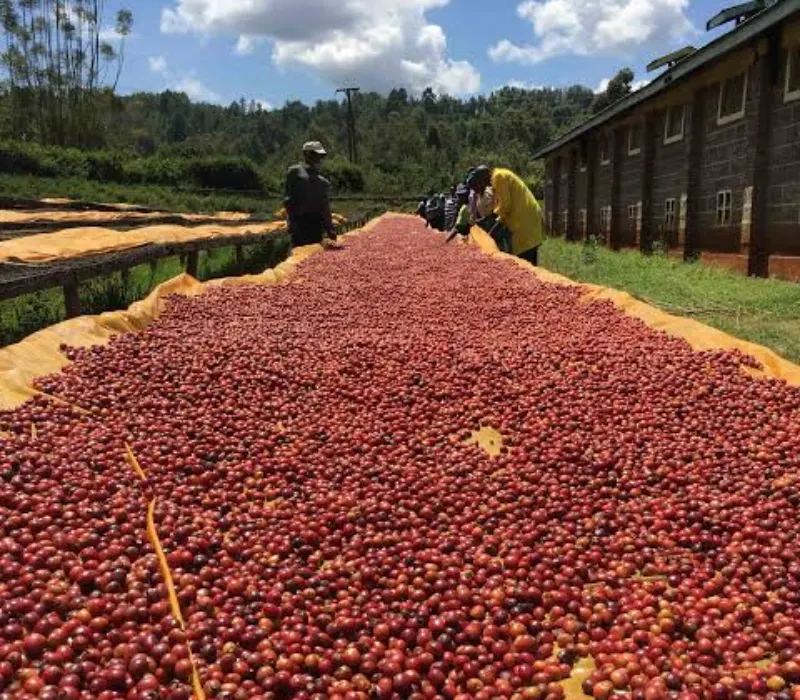
Drying on raised beds for 7–21 days, with frequent turning for even moisture
The Eastern Kenya Cup Profile
Eastern Kenya produces coffees with a distinctive and unmistakable flavor signature:
-
Acidity: Bright, vibrant, often citrus-forward with winey complexity
-
Body: Medium to full, with a syrupy, juicy mouthfeel
-
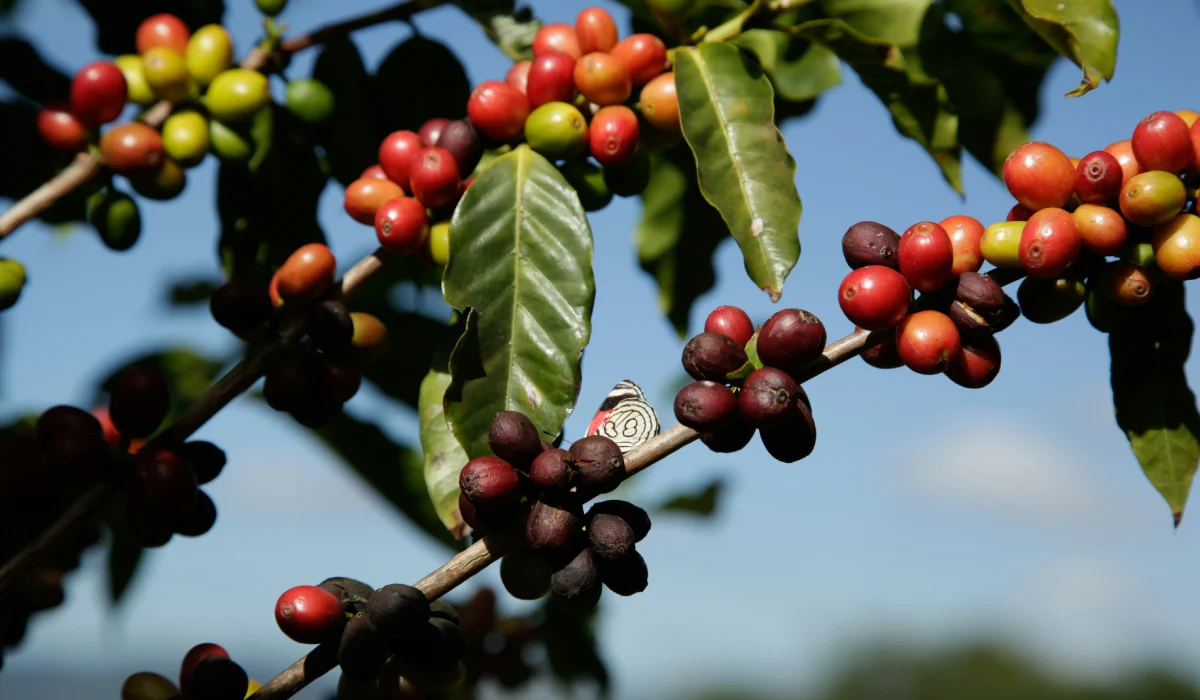
Flavors: Blackcurrant, blackberry, raspberry, cranberry, pomegranate, citrus, stone fruit, tropical fruit, and floral notes
-
Finish: Sweet, lingering with caramel, brown sugar, and cacao undertones
Classic Eastern Kenyan profile: Tart, dark fruit notes with bright citric acidity and fresh herbaceous aromatics that cut through the coffee's sweetness.
The Eastern Kenya Advantage: A Summary for Buyers
Eastern Kenya offers coffee buyers a compelling combination of factors:
Bimodal Harvest Advantage: The region's eastern slope exposure to Indian Ocean weather systems produces two distinct annual harvests—the main crop (October–December) and the fly crop (April–June)—giving buyers two sourcing opportunities per year.
Volcanic Terroir: Deep, well-drained volcanic red loams rich in minerals and exchangeable potassium produce coffees with exceptional clarity, complexity, and sweetness.
Established Cooperative Infrastructure: Hundreds of farmer cooperative societies operate modern wet mills with eco-pulpers and raised drying beds, ensuring consistent quality and full traceability.
Iconic Varieties: The region's farmers cultivate Kenya's most celebrated varieties—SL28, SL34, Ruiru 11, and Batian—each contributing distinct flavor characteristics.
Meticulous Processing: Kenyan washing stations are renowned for thorough washing, soaking, and sorting—producing bright white parchment and clean, vibrant cup profiles.
Diverse Cup Profiles: From Meru's citrus and black tea to Embu's berry and cocoa, from Machakos's currant and floral to Tharaka Nithi's tropical fruit—Eastern Kenya offers a spectrum of flavor expressions.
Growing Recognition: With infrastructure investment, government support, and increasing specialty buyer interest, Eastern Kenya's coffee sector is poised for continued growth and recognition.
For Roasters and Importers
"From the volcanic slopes of Mount Kenya and the eastern highlands—where red volcanic soils, high altitudes, and centuries of farming heritage converge—comes coffee that defines excellence."
-
Traceability: Every bean can be traced to specific factories, cooperatives, and farmer communities
-
Consistency: Rigorous processing standards ensure year-after-year quality
-
Diversity: From Meru's complex citrus to Embu's deep berry bombs, from Machakos's bright elegance to Tharaka Nithi's tropical fruit
-
Impact: Supporting thousands of smallholder families who are the backbone of Kenya's coffee industry
Key Selling Points
-
World-Renowned Origin: Eastern Kenya is synonymous with specialty coffee excellence and represents the birthplace of indigenous Kenyan coffee farming
-
Exceptional Cup Quality: Bright acidity, complex fruit notes, and unparalleled clarity
-
Sustainable Production: Smallholder farmers practicing environmentally conscious cultivation
-
Full Traceability: From cooperative to factory to cup
-
Diverse Offerings: AA, AB, and PB grades across multiple cooperatives
-
Bimodal Harvest: Two annual harvests providing year-round sourcing opportunities
Kenya's Eastern Region represents the gold standard of specialty coffee production. With thousands of dedicated smallholder farmers, fertile volcanic soils, ideal altitudes between 1,400–1,900 meters, and a commitment to fully washed processing, this region consistently delivers some of the world's most sought-after coffees.
From Meru's 98,000 farmers to Embu's 15,000 members, from Machakos's 35,000 cooperative members to Tharaka Nithi's growing production, every cup tells a story of terroir, tradition, and excellence.
Eastern Kenya is not merely a coffee origin—it is the birthplace of indigenous Kenyan coffee farming, a region where volcanic soils, dedicated smallholder farmers, and meticulous processing converge to produce some of the world's most distinctive and memorable coffees. From the eastern slopes of Mount Kenya to the highlands of Machakos, each cup tells a story of heritage, quality, and unwavering commitment to excellence.
Choose Eastern Kenya. Choose excellence. Choose coffee that makes a difference.

 Chat with a Coffee Expert