
 WhatsApp A Coffee Expert
Origin
Kenya, Embu
Overview
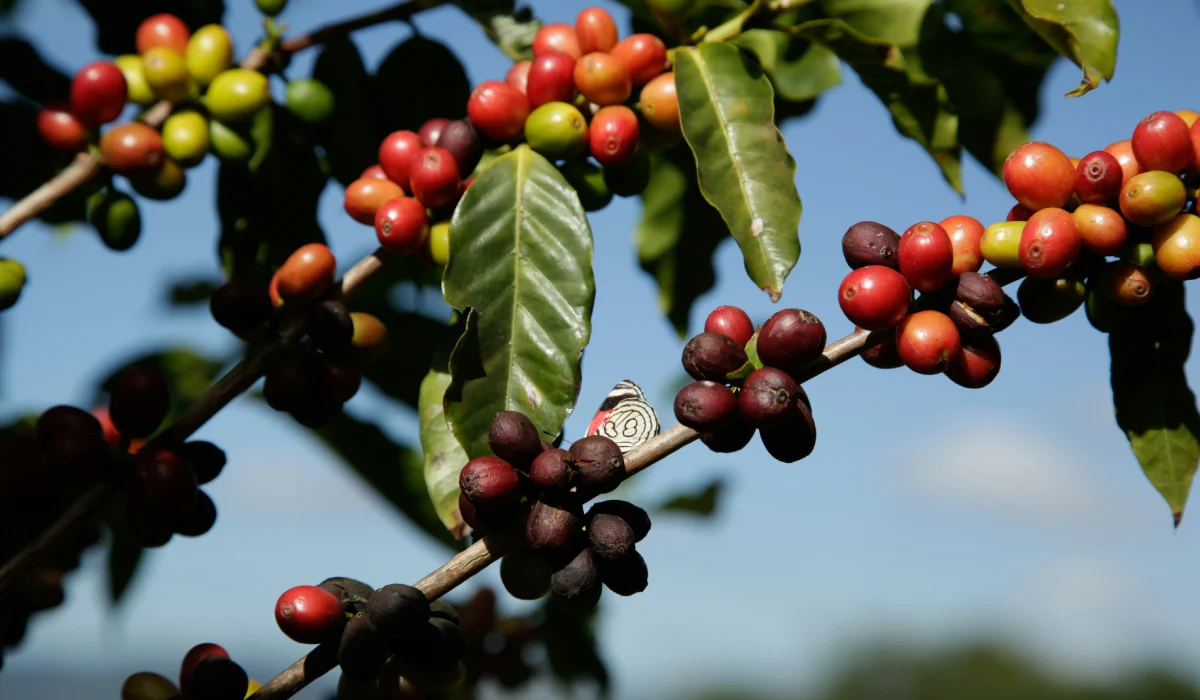
Embu Arabica AB is a premier grade of specialty Kenyan coffee grown along the fertile slopes of Mount Kenya in Embu County. Cultivated at high altitudes in nutrient-dense volcanic soil, this washed Arabica coffee offers vibrant phosphoric acidity, a syrupy body, and complex sensory notes of blackcurrant, citrus, and cane sugar.
Eastern Region | Coffee Grade AB
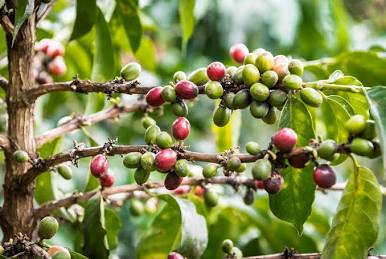
Discover the exceptional quality of Embu Arabica AB green coffee beans, meticulously sourced by Maytac International Partners Limited. Grown by smallholder farmers in Embu County, Kenya, at elevations between 1,500 and 1,800 meters, this grade AB coffee bean combines screen sizes 15 and 16 to deliver optimal roast consistency. Fully washed with pristine mountain stream water, Embu Arabica AB delivers a brilliant bright acidity, balanced medium-to-full body, and rich flavor complexity characterized by dark berries, crisp citrus, and floral cane sugar aromatics.
Price
USD 8.00 /Kg
Minimum order: 100.00 kg
At a glance
Put the information an importer or roaster needs to make an initial buying decision directly in front of them.
Origin
Kenya, Embu
Grade
Coffee Grade AB
Altitude
1,500 – 1,800 m
Processing
Washed
Packaging
60 Kg GrainPro jute bags
Product
Embu Arabica AB
Varieties
SL28
SL34
Batian
Ruiru 11
Pricing
USD 8.00 /Kg
Get a Quote
Embu Arabica AB represents the perfect balance of iconic Kenyan flavor intensity, exceptional physical bean density, and reliable roasting performance for commercial and specialty roasters alike.
Kenya Embu Arabica AB green coffee represents the absolute pinnacle of high-altitude East African Arabica coffee production. Grown on the southeastern slopes of Mount Kenya within Embu County, this exceptional coffee benefits from one of the most microclimate-rich agricultural ecosystems in the world. At Maytac International Partners Limited, we export green coffee beans that meet strict international physical and sensory specifications, ensuring roasters receive coffee with exceptional uniformity, high cup scores, and complete lot traceability.
The terroir of Embu County provides an ideal environment for growing premium specialty coffee. Cultivated between 1,500 and 1,800 meters above sea level, the coffee cherries undergo extended maturation cycles. This slow growth process allows the cherries to absorb complex sugars and vital organic nutrients from deep red volcanic soils rich in nitrogen, phosphorus, and potassium. The temperate highland climate, characterized by cool nights and warm equatorial days, maximizes sugar development within the cherry seed, resulting in the brilliant phosphoric acidity and sweetness characteristic of the region.
The "AB" grade refers to a specific bean size classification assigned under the stringent physical grading standards established by the Coffee Directorate of Kenya. Embu Arabica AB is sorted using mechanical screens with hole sizes 15 and 16 (15/64ths to 16/64ths of an inch). While Grade AA beans are larger, Grade AB is favored by master roasters worldwide due to its density, thermal stability, and uniform size, which allows for consistent heat transfer during the roasting process. The blend of classic SL28, SL34, and disease-resistant Batian and Ruiru 11 cultivars ensures both historical complexity and physical density in every export bag.
Quality processing plays a crucial role in creating the iconic flavor profile of Kenyan coffee. Embu Arabica AB is processed using traditional double-fermentation wet milling methods at local farmer cooperative societies (FCS). Hand-picked cherry selection ensures only fully ripe red cherries enter the pulper. After mechanical skin removal, the parchment coffee undergoes dry fermentation for 24 to 36 hours to break down natural mucilage. It is then washed thoroughly with clean river water, soaked in fresh water channels for an additional 12 to 24 hours, and sun-dried on raised African drying beds until reaching a moisture content between 10.5% and 12%.
For commercial and specialty coffee roasters, Embu Arabica AB offers outstanding versatility. Its dense cellular structure allows it to withstand higher initial heat charges during roasting without burning. Light to medium roast profiles highlight the coffee's vibrant, juicy acidity, showcasing sparkling lemon-lime, blackcurrant, and red apple notes. Medium-dark roast profiles develop a rich, creamy body with notes of dark chocolate, brown sugar, and black tea.
At Maytac International Partners Limited, we are dedicated to sustainable trade and direct-trade partnerships with Kenya's coffee cooperatives. By sourcing our green coffee from smallholder farming communities in Embu County, we promote ethical supply chains, environmental stewardship, and fair producer compensation. According to global specialty coffee benchmarks from the Specialty Coffee Association (SCA), high-grade washed Kenyan coffees consistently score among the highest in quality standards worldwide. Partnering with Maytac International Partners ensures seamless logistics, precise moisture management, and reliable export fulfillment for your roastery.
Discover the processing method, flavour profile, and qualities that define this coffee.
SL28: Developed by Scott Agricultural Laboratories in the 1930s, this legendary Bourbon-derived cultivar is famous for its exceptional drought resistance, intense bright acidity, and complex blackcurrant sensory profile.
SL34: A high-yielding selection derived from French Mission Bourbon, SL34 thrives at higher elevations with heavy rainfall, contributing heavy body, deep sweet citrus tones, and vibrant aromas to the lot.
Batian: A modern, high-yielding cultivar released by Kenya's Coffee Research Institute (CRI). It combines disease resistance against Coffee Berry Disease (CBD) and Coffee Leaf Rust (CLR) with sensory cup quality matching traditional SL varieties.
Ruiru 11: A compact hybrid variety bred to resist major coffee diseases. When grown at high altitudes alongside SL varieties, Ruiru 11 adds physical density, balanced body, and structural stability to the overall blend.
Embu Arabica AB is fully washed using traditional Kenyan double-fermentation techniques. Smallholder farmers deliver hand-sorted, ripe cherries to local cooperative mills on the harvest day. The cherries are pulped to remove the outer skin, then fermented in tanks for 24 to 36 hours to breakdown mucilage layers. After initial fermentation, the coffee is washed thoroughly in clean channels and soaked in fresh water for 12 to 24 hours. Finally, the parchment is sun-dried on raised African beds for 7 to 14 days, carefully monitored until it reaches an ideal, stable moisture level of 10.5% to 12%.
Aroma: Jasmine blossom, blackcurrant, fresh lime, and caramel.
Flavor: Crisp blackcurrant, tart grapefruit, red apple, cane sugar, and a subtle black tea undertone.
Acidity: Sparkling, complex, bright phosphoric and citric acidity.
Body: Smooth, medium-to-full syrupy body.
Aftertaste: Long, sweet, and clean finish with lingering notes of dark cocoa and citrus zest.
Overall Cup Score: 86–88 SCA Points.
The primary selling point of Embu Arabica AB lies in its exceptional balance of high-density physical grading and vibrant, origin-specific sensory characteristics. Grade AB coffee offers roasters ideal size uniformity (screen sizes 15 and 16), which translates to consistent heat absorption and predictable roasts. Grown in nitrogen-rich volcanic soil at elevations up to 1,800 meters, this coffee features the signature bright, complex acidity and fruity complexity that Kenyan Arabica is famous for worldwide. Sourced directly through Maytac International Partners Limited, it provides roasters with a high-scoring, reliable origin coffee that enhances any single-origin menu or espresso blend.
Export Process · Maytac International Partners
Every lot of Embu Arabica AB follows the same disciplined path, from your first inquiry to the moment your shipment lands.
You reach out with your interest in our Embu Arabica AB or any other premium offering.
We provide a transparent, competitive quote tailored to your volume and specifications.
A representative sample is sent to you for cupping and evaluation — your first taste of the quality we stand behind.
You cup the coffee, assess its flavor, aroma, and body, and give us the green light.
Once the sample meets your standards, you confirm the order and we prepare your lot for export.
We handle logistics, documentation, and dispatch, ensuring your coffee arrives fresh and on time.
You reach out with your interest in our Embu Arabica AA or any other premium offering.
We provide a transparent, competitive quote tailored to your volume and specifications.
A representative sample is sent to you for cupping and evaluation — your first taste of the quality we stand behind.
You cup the coffee, assess its flavor, aroma, and body, and give us the green light.
Once the sample meets your standards, you confirm the order and we prepare your lot for export.
We handle logistics, documentation, and dispatch, ensuring your coffee arrives fresh and on time.
The distinction between Grade AA and Grade AB is based on physical screen size. Grade AA beans pass through screen size 17/18, whereas Grade AB is a blend of screen sizes 15 and 16. While AA beans are larger, Grade AB beans are slightly denser, offering exceptional heat distribution during roasting, high flavor complexity, and competitive pricing for specialty green coffee buyers.
Embu Arabica AB undergoes traditional fully washed wet processing. Ripe cherries are hand-picked, pulped, fermented for 24 to 36 hours, and washed in clean mountain stream water. The parchment is then soaked for up to 24 hours and sun-dried on raised beds until reaching 10.5%–12% moisture content before being milled, graded, and bagged.
Embu Arabica AB performs exceptionally well under light to medium roast profiles, which preserve its bright phosphoric acidity, floral aromatics, and distinct fruit notes of blackcurrant and lime. A medium-dark roast brings out a richer body, caramel sweetness, and dark cocoa undertones, making it versatile for both single-origin offerings and high-end espresso blends.
At Maytac International Partners Limited, our green coffee is packed in standard 60kg GrainPro-lined jute bags to preserve fresh moisture levels and protect against humidity and environmental factors during transit. Coffee should be stored in a climate-controlled warehouse between 15°C and 20°C (59°F–68°F) with relative humidity below 60%.
You can request green coffee samples or place bulk export orders directly by reaching out through the Maytac International Partners Website. Our sales and logistics team provides full documentation, phytosanitary certificates, ICO origin documentation, and custom shipping options to green coffee importers worldwide.
We use essential cookies for secure site operation. You can also allow analytics and marketing cookies for improved performance and ad relevance.