
 WhatsApp A Coffee Expert
Origin
Kenya, Embu County
Overview
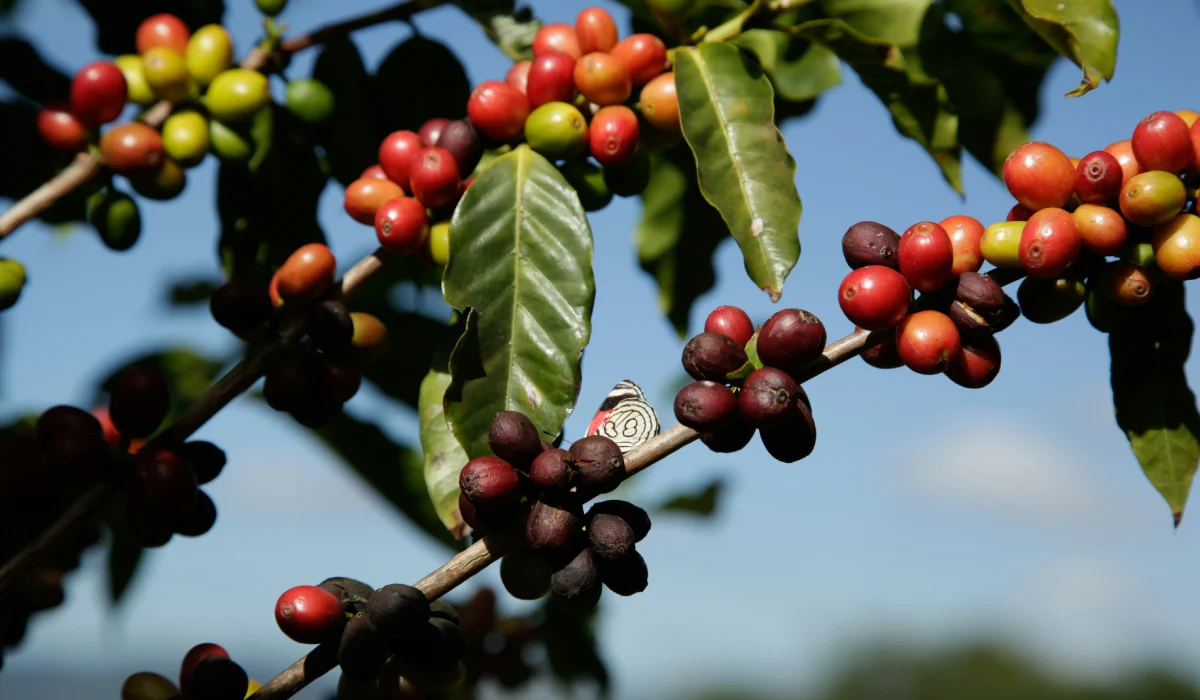
Embu Arabica PB is a highly prized Peaberry specialty coffee grown on the high-altitude volcanic slopes of Mount Kenya in Embu County. Originating from naturally mutated single-seed cherries, this dense, oval-shaped green coffee delivers an exceptionally sweet, concentrated cup profile featuring bright blackberry acidity, floral aromatics, and rich caramel sweetness.
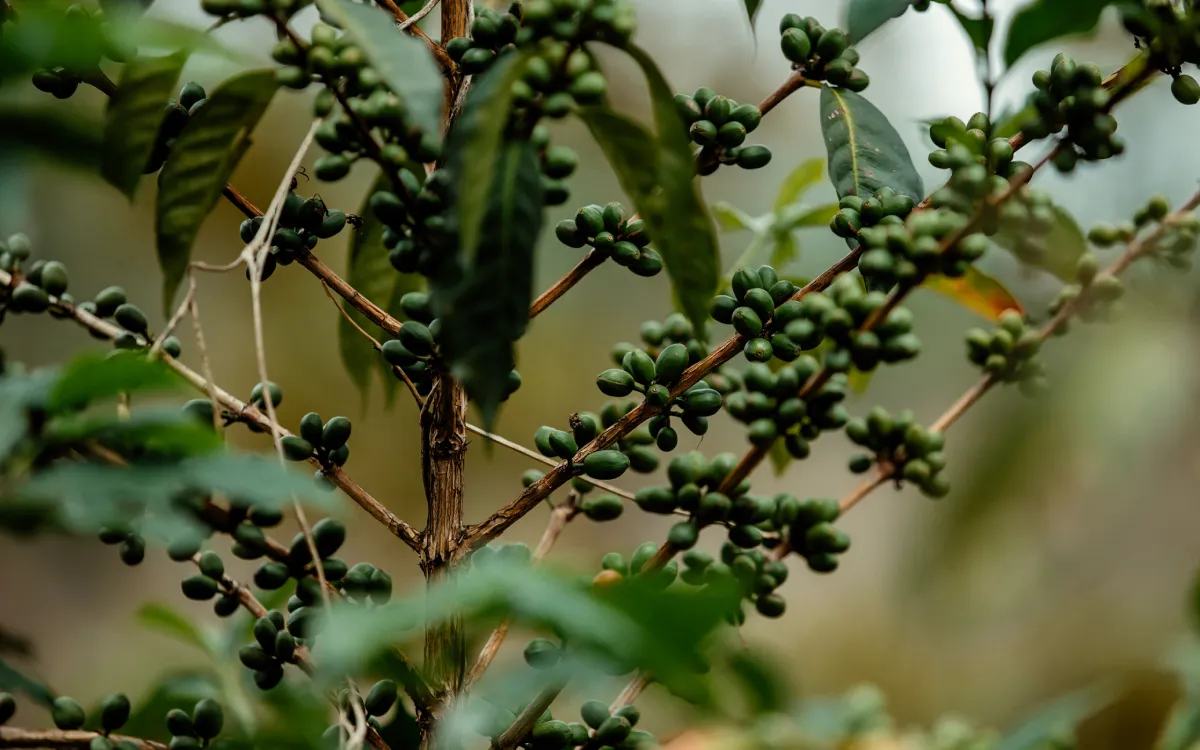
Eastern Region | Coffee Grade PB (Peaberry)
Experience the rare, concentrated profile of Embu Arabica PB green coffee beans, curated by Maytac International Partners Limited. Harvested by smallholder cooperatives in Embu County at 1,500 to 1,900 meters altitude, Peaberry cherries naturally form a single round seed rather than twin flat beans. Fully washed and double-fermented using pristine mountain stream water, Embu Arabica PB offers superior roast density, delivering a vibrant wine-like acidity, velvety medium body, and layered tasting notes of juicy blackcurrant, Meyer lemon, and dark cane sugar.
Price
USD 7.80 /Kg
Minimum order: 100.00 kg
At a glance
Put the information an importer or roaster needs to make an initial buying decision directly in front of them.
Origin
Kenya, Embu County
Grade
Coffee Grade PB (Peaberry)
Altitude
1,500 – 1,900 m
Processing
Washed
Packaging
60 Kg GrainPro jute bags
Product
Embu Arabica PB
Varieties
SL28
SL34
Batian
Ruiru 11
Pricing
USD 7.80 /Kg
Get a Quote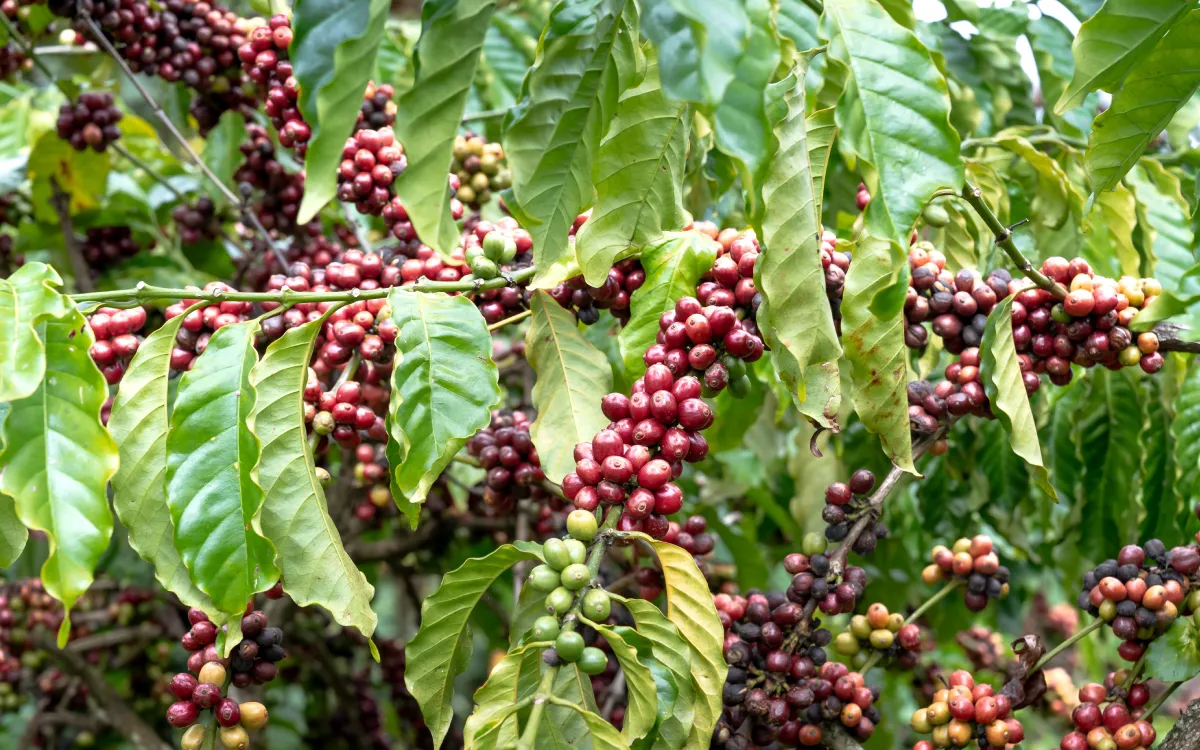
Embu Arabica PB delivers a rare combination of physical bean density, spherical roasting symmetry, and intensely sweet, concentrated cup attributes.
Rare Peaberry Selection
Superior Heat Transfer
High-Altitude Terroir
Concentrated Sweetness
Double-Washed Clarity
Kenya Embu Arabica PB represents one of the most sought-after physical variations in specialty Arabica coffee sourcing. Cultivated on the fertile southeastern slopes of Mount Kenya in Embu County, this green coffee is composed entirely of naturally occurring Peaberry (PB) mutations. At Maytac International Partners Limited, we export fully traceable, high-scoring PB lots sorted to exact density and moisture specifications, offering master roasters a rare and flavor-concentrated Kenyan origin coffee.
Under standard coffee cherry development, two flat-sided seeds grow face-to-face inside the fruit. In approximately 5% to 10% of coffee harvests, a natural botanical anomaly occurs where only one ovule fertilizes, producing a single, small, spherical seed known as a Peaberry (PB). Because the tree directs all its nutrients, sugars, and organic compounds into one oval seed rather than dividing them between two, Peaberry beans possess a higher physical density and a more concentrated flavor precursors matrix.
The microclimate of Embu County provides the perfect growing conditions for high-altitude Arabica. Farmed at elevations ranging from 1,500 to 1,900 meters above sea level, the coffee trees thrive in nutrient-dense red volcanic soils that are exceptionally rich in nitrogen and organic minerals. The region experiences a unique bimodal rainfall pattern, coupled with warm equatorial days and cold highland nights. This extreme diurnal temperature shift slows down the cherry maturation process, allowing deep fruit sugars and organic phosphoric acids to accumulate within the Peaberry seed.
Embu Arabica PB undergoes Kenya's world-famous wet-milling process at local farmer cooperative washing stations (factories). Smallholder farmers hand-select only perfectly ripe red cherries. After mechanical pulping removes the outer skin, the parchment coffee undergoes dry fermentation for 12 to 24 hours. It is washed with clean mountain water and soaked in freshwater channels for an additional 24 hours to maximize clarity. The parchment is then sun-dried on raised African drying beds for 7 to 21 days until reaching an optimal moisture content between 10.5% and 11.5%. During dry milling, mechanical screen sorters and optical density sorters isolate the spherical PB seeds from flat-sided grades (AA and AB).
From a roasting perspective, the unique geometry of the Peaberry offers distinct mechanical advantages. Its round, aerodynamic shape allows green beans to roll smoothly in the drum, absorbing convective heat more evenly than flat-faced beans. Combined with high cellular density, Embu Arabica PB tolerates aggressive charge temperatures and rapid heat transfer without scorching. Under a light-to-medium roast, it opens up with sparkling citrus-berry acidity, vibrant floral aromatics, and a long, clean finish. When taken to a medium roast, it reveals a heavy, syrupy mouthfeel alongside complex brown sugar and cocoa complexity.
At Maytac International Partners Limited, we bridge the gap between smallholder coffee farming communities in Embu and specialty roasters worldwide. We adhere strictly to the regulatory guidelines of the Coffee Directorate of Kenya and the rules of the Nairobi Coffee Exchange (NCE). Every exported lot is backed by rigorous cupping protocols, phytosanitary checks, and complete supply chain transparency. According to standards from the Specialty Coffee Association (SCA), Kenyan Peaberry lots consistently achieve top cupping honors for their acidity and sweetness.
Discover the processing method, flavour profile, and qualities that define this coffee.
SL28: Renowned for producing Kenya's signature cup clarity, SL28 is a drought-resistant Bourbon-lineage cultivar that delivers high phosphoric acidity, intense blackcurrant sweetness, and complex fruit notes.
SL34: A Bourbon-derived selection that excels at high altitudes with heavy rainfall, contributing heavy mouthfeel, rich chocolate depth, and citrus aromatics to the Peaberry lot.
Batian: A modern disease-resistant cultivar bred by Kenya's Coffee Research Institute (CRI), providing strong protection against Coffee Berry Disease while matching the specialty cup quality and bright acidity of SL varieties.
Ruiru 11: A high-density hybrid variety developed for compact growth and disease resistance, adding physical structure, cup balance, and body when blended with traditional cultivars.
Embu Arabica PB is fully washed using Kenya's traditional double-fermentation procedure. Farmers selectively hand-pick ripe cherries and deliver them to cooperative factories on the same day. The cherries are pulped to remove outer skins, then dry-fermented for 12 to 24 hours to break down natural mucilage. Following fermentation, the coffee is washed thoroughly in clean channels and soaked in fresh water for up to 24 hours. It is sun-dried on raised African beds for 7 to 21 days until reaching 10.5%–11.5% moisture. Mechanical density tables and screen sorters finally isolate the rare Peaberry grade.
Aroma: Orange blossom, blackcurrant jam, wild honey, and toasted sugarcane.
Flavor: Vibrant blackcurrant, juicy Meyer lemon, sweet plum, brown sugar, and dark chocolate.
Acidity: Wine-like, bright, sparkling citric and phosphoric acidity.
Body: Smooth, velvety, medium-to-full mouthfeel.
Aftertaste: Exceptionally clean, long, and sweet with lingering nuances of berry zest and cocoa.
Overall Cup Score: 87–89 SCA Points.
The premier selling point of Embu Arabica PB is its concentrated flavor profile and exceptional roasting physicals derived from single-seed cherries. Because Peaberries absorb all nutrients from the coffee cherry into a single oval bean rather than splitting across two, they possess superior cellular density and concentrated sugars. The spherical shape of the PB bean ensures smooth movement and rapid, even heat distribution inside the roast drum. Sourced through Maytac International Partners Limited, this specialty grade provides roasters with a distinctive, high-scoring single-origin coffee that stands out on any menu due to its intense sweetness, bright acidity, and rarity.
Export Process · Maytac International Partners
Every lot of Embu Arabica PB follows the same disciplined path, from your first inquiry to the moment your shipment lands.
You reach out with your interest in our Embu Arabica PB or any other premium offering.
We provide a transparent, competitive quote tailored to your volume and specifications.
A representative sample is sent to you for cupping and evaluation — your first taste of the quality we stand behind.
You cup the coffee, assess its flavor, aroma, and body, and give us the green light.
Once the sample meets your standards, you confirm the order and we prepare your lot for export.
We handle logistics, documentation, and dispatch, ensuring your coffee arrives fresh and on time.
You reach out with your interest in our Embu Arabica AA or any other premium offering.
We provide a transparent, competitive quote tailored to your volume and specifications.
A representative sample is sent to you for cupping and evaluation — your first taste of the quality we stand behind.
You cup the coffee, assess its flavor, aroma, and body, and give us the green light.
Once the sample meets your standards, you confirm the order and we prepare your lot for export.
We handle logistics, documentation, and dispatch, ensuring your coffee arrives fresh and on time.
A Peaberry (PB) is a natural botanical mutation where only one seed develops inside a coffee cherry instead of the usual two flat-faced seeds. Occurring in about 5% to 10% of the harvest, Peaberries absorb all nutrients into a single oval bean, resulting in higher density, concentrated sweetness, and unique round roasting characteristics.
Due to its aerodynamic round shape, Embu Arabica PB rolls freely in the drum, leading to uniform heat transfer and reduced risk of tipping or scorching. Because PB beans are denser than average flat beans, roasters can often utilize slightly higher initial heat charge temperatures to unlock vibrant acidity and sweetness.
Embu Arabica PB is celebrated for its juicy, concentrated cup profile. Expect a bright, wine-like acidity, velvety body, and prominent tasting notes of blackcurrant, Meyer lemon, floral honey, and brown sugar with a clean, lingering finish.
Specialty roasters and green coffee importers can request sample bags or contract export containers directly on the Maytac International Partners Website. Maytac manages full export logistics, including GrainPro packaging, ICO certifications, and phytosanitary clearance.
We use essential cookies for secure site operation. You can also allow analytics and marketing cookies for improved performance and ad relevance.