Coffee Region
Central Region
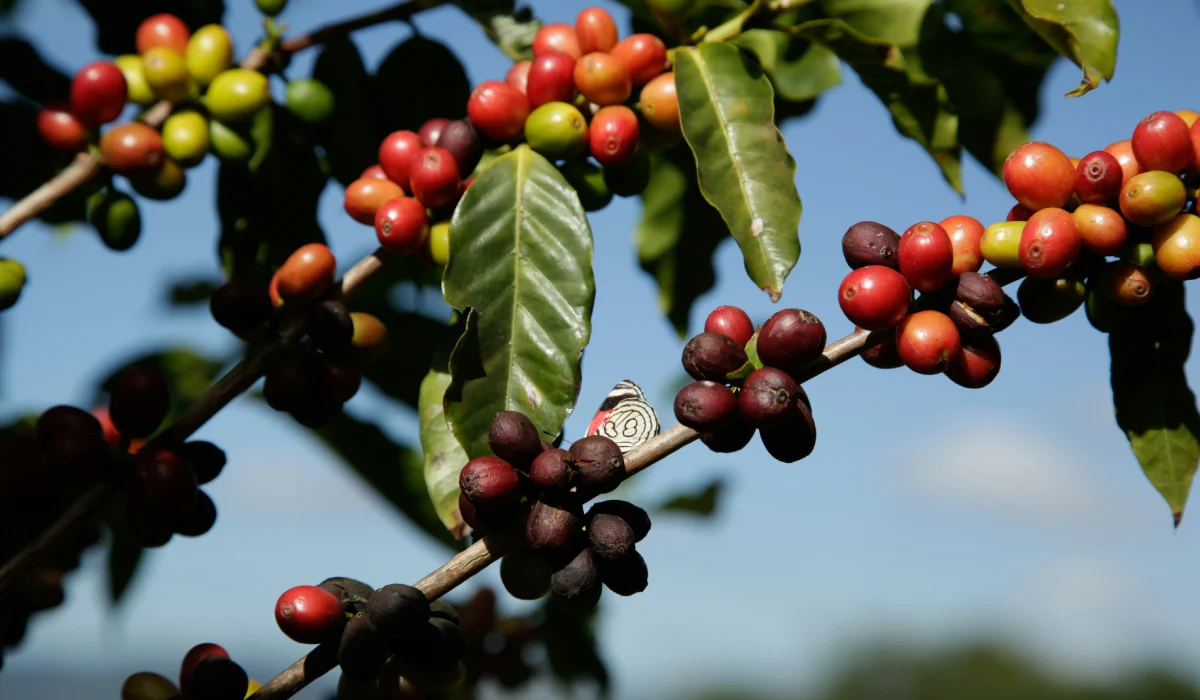
Kenya’s Central Region stands as the beating heart of the nation’s coffee industry, producing the majority of the country’s most celebrated specialty coffees. With more than 600,000 smallholder farmers farming fewer than 5 acres each, composing 99% of the coffee farming population, this region delivers beans that are revered worldwide for their bright acidity, complex fruit-forward profiles, and exceptional cup clarity. Their farms cover more than 75% of total coffee growing land and produce nearly 70% of the country’s coffee.
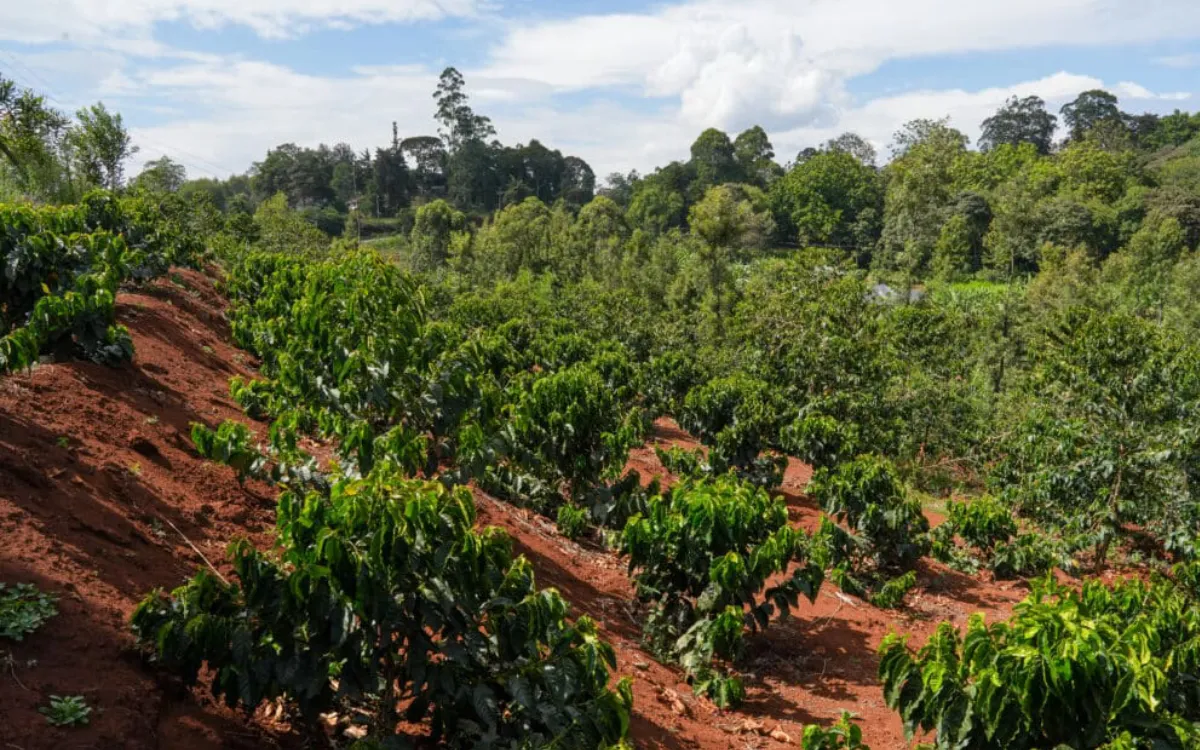
The Central Highlands—encompassing Kiambu, Murang’a, Kirinyaga, and Nyeri counties—benefit from fertile volcanic soils, high altitudes ranging from 1,200 to 2,300 meters above sea level, and a temperate climate with moderate rainfall. These conditions create the ideal environment for cultivating Kenya’s legendary Arabica coffees.
Products From This Region
Kirinyaga County: The Crown Jewel
Overview
Kirinyaga leads the Central Region with 25,720 acres under coffee cultivation, housing approximately 14,557,582 coffee bushes. The county generates an impressive 48,641,912 kilograms of cherry annually. Farming here is dominated by smallholders cultivating 0.5 to 2 hectares, typically intercropped with maize, bananas, and vegetables.
Soil Profile
Fertile red volcanic soils derived from Mount Kenya’s ancient volcanic activity. These soils are rich in organic matter, phosphorus, and potassium, with excellent drainage and water retention properties. The volcanic loam provides ideal acidity levels (pH 5.5–6.5) that coffee trees thrive in.
Cooperative Societies and Factories
Mutira Farmers’ Cooperative Society – One of Kirinyaga’s largest, with 8,000 smallholder farmers collectively owning the society. In 2023, the cooperative processed approximately 4.88 million kg of coffee berries. The cooperative operates a modern mill located about four kilometers from members’ farms.
Baragwi Farmers Cooperative Society – Operates 12 factories, with Nyanja Factory emerging as the best payer at KSh 157.40 per kilogram, followed by Kiangoi Factory (KSh 156.30), Kii Factory (KSh 155.62), and Karimikui Factory (KSh 155.50). Baragwi is one of 14 registered coffee cooperative societies in the county.
Kabare Farmers Cooperative Society – Produces the renowned Kabare AA, which scored 97 points in Coffee Review’s Top 30 rankings. The cooperative’s attention to quality has made it a benchmark for Kenyan specialty coffee.
Rungeto Farmers Cooperative Society (FCS) – Operates Kii Factory, well-known for consistently producing high-quality coffees with exceptional cup characteristics.
Kibirigwi Farmers Cooperative Society (FCS) – Operates Nguguini Factory near Karatina, bringing together over a thousand farmers whose high-elevation plots consistently yield clean, complex coffees.
Varieties
Farmers in Kirinyaga cultivate a mix of SL28, SL34 (approximately 80%), Batian, and Ruiru 11.
Processing
Fully washed processing is the standard. Cherries are selectively handpicked, sorted at intake, pulped using disk pulpers, fermented for 12–24 hours, washed, and dried on raised beds for 7–15 days.
Cup Profile
Kirinyaga coffees are celebrated for their complex, winey acidity with deep berry notes. Typical flavor descriptors include blackcurrant, cranberry, strawberry pie, cinnamon infusion, sugar cane, peach, and fresh plum. The cup exhibits a full body, vibrant acidity, and a lingering sweet finish.

Nyeri County: The Flavor Powerhouse
Overview
Nyeri follows closely with 24,740 acres under coffee and approximately 14,002,568 bushes. Annual cherry production stands at 33,186,654 kilograms. The county has 24 cooperatives and 106 factories. Located between the eastern base of the Aberdare Range and the western slopes of Mount Kenya, Nyeri is renowned for its favorable coffee-growing conditions.
Soil Profile
Fertile volcanic soils with high organic content, excellent drainage, and optimal mineral composition. The deep red volcanic loam is particularly rich in iron and aluminum oxides, contributing to the distinctive flavor complexity Nyeri coffees are famous for.
Cooperative Societies and Factories
Tekangu Farmers’ Cooperative Society (FCS) – Established in 1969, operates three wet mills: Tegu, Karogoto, and Ngunguru. Works with 1,200 smallholder farmers, most cultivating less than one hectare across five villages of Karatina. Tegu Factory, located at 1,700 meters, produces AA lots characterized by fresh citrus notes and delicate floral aroma.
Tambaya Farmers’ Cooperative Society (FCS) – Operates Tambaya Factory, serving 600 dedicated farmers at 1,600 meters altitude.
Gatura Farmers’ Cooperative Society (FCS) – Manages Gatura Factory in Mukurweini, with 800 members farming between 1,600 and 1,800 meters on the slopes of the Aberdare Ranges.
Rugi Farmers Cooperative Society (FCS) – Operates Gumba Factory, serving 850 farmers.
Mutheka Farmers Cooperative Society (FCS) – Includes seven factories: Chorong’i, Kaiguri, Kiandu, Kamuyu, Kigwandi, Kihuyo, and Muthua-ini, serving nearly 5,000 smallholder farmers.
Othaya Farmers Cooperative Society – One of Kenya’s larger societies, with 19 factories and more than 14,000 members. Rukira Factory, founded in 1979, is home to 800 members.
Varieties
SL28, SL34, Ruiru 11, and Batian.
Processing
Fully washed. Handpicked cherries sorted at intake, pulped, fermented 12–24 hours, soaked for up to 24 hours, and dried on raised beds for approximately 16 days.
Cup Profile
Nyeri coffees are legendary for dark fruit notes, bright citrus acidity, and exceptional complexity. Expect blackberry, pomegranate, lemon zest, blackcurrant, raspberry, stone fruit, and floral aromatics. The cup offers a medium-to-heavy body, lively acidity, and a sweet, lingering finish.
Murang’a County: The Rising Star
Overview
Murang’a boasts 23,023 acres under coffee with approximately 13,030,944 bushes. Annual production reaches 31,027,890 kilograms. Located about 120 km northwest of Nairobi, the county benefits from cool weather and fertile soils of Kenya’s central highlands.
Soil Profile
Fertile red volcanic soils along the western slopes of the Aberdare Mountain range. Warm daytime and cooler nighttime temperatures allow beans to develop slowly and accumulate maximum sugar content. Soils are rich in nutrients with excellent drainage and optimal pH for coffee cultivation.
Cooperative Societies and Factories
Kahuhia Coffee Growers Cooperative Society (CGCS) – Registered in 1959, one of Kenya’s earliest cooperatives. Operates four factories: Kahuhia Main, Karichiungu, Wanjengi, and Gathinja. Has 2,711 active members.
-
Wanjengi Factory: 1,500 smallholder farmers at 1,600–1,800 meters. Farms average 0.5–2 hectares.
-
Ngwethe Factory: 378 farmers at 1,650–1,700 meters.
Kangiri Farmers’ Cooperative Society (FCS) – Formed and registered in 2005 following the merger of five single-factory societies. Operates five factories: New Irati, Kanguya, Kanjathi, Kangurumai, and Gatumbi. Total membership of 4,907 with 3,756 active members.
-
Kanjathi Factory: Established in the 1960s, serving 1,332 active members at 1,600–1,750 meters. Farms average 150 trees.
Iyego Coffee Cooperative Society – Operates 12 factories: Iyego Main, Mununga, Gatubu, Marimira, Kabiruini, Watuha, Gathima, Gitura, Kiarathe, Thangathi, Nyakahura, and Kirangano.
Gatagua Farmers Cooperative Society (FCS) – Operates Gatagua Factory, producing consistently high-quality AA lots.
Kaganda Farmers’ Cooperative Society (FCS) – Operates Kaganda Factory, serving 1,050 farmers.
Varieties
SL28, SL34, Ruiru 11, and Batian.
Processing
Fully washed. Handpicked, sorted, pulped, fermented 12–24 hours, washed, dried on raised beds for 7–15 days.
Cup Profile
Murang’a coffees are fruit-forward with complex acidity—a classic Kenyan profile. Expect bright acidity, thick berry juice and honey-like sweetness. The cup offers lively fruit notes with a smooth, lingering finish.
Kiambu County: The Heritage Producer
Overview
Kiambu leads all counties with 8.96 million kilograms of production, representing 18% of Kenya’s total coffee output. Located in the Central Highlands with altitudes reaching some of the highest in the region.
Soil Profile
Fertile volcanic soils derived from ancient volcanic activity. The region features deep, well-drained red volcanic loam rich in organic matter and essential minerals.
Cooperative Societies and Factories
Gititu Farmers Cooperative Society (FCS) – Founded in 1954, one of the oldest cooperative societies in Kiambu. Built Gititu Factory in 1957 and now operates 8 factories serving approximately 5,000 members. The cooperative remains committed to transparency and communication.
Thiririka Farmers Cooperative Society (FCS) – Owns and operates three factories: Githembe, Kiganjo, and Ndundu.
Ritho Farmers Cooperative Society (FCS) – Registered in 1995, manages two factories: Handege (constructed mid-1960s) and Wamuguma.
Kimaratia Farmers’ Cooperative Society – Founded in 1995, operates three factories: Gachika, Gitare, and Gichuka, serving 2,500 small farmers across approximately 613 hectares.
Ndumberi Coffee Farmers’ Cooperative Society (NCFCS) – Serves 2,989 smallholder farmers with three wet mills: Ndumberi, Riabai, and Ngaita.
Gitwe Farmers Cooperative Society (FCS) – Karatu Factory serves 800 contributing farmer members.
Varieties
SL28, SL34, Ruiru 11, and Batian.
Processing
Fully washed with meticulous attention to quality at every stage.
Cup Profile
Kiambu coffees feature bright fruit acidity with a rich, juicy berry flavor and a honey-like sweetness. Flavor notes include berries, citrus, and sweet caramel undertones.
Coffee Varieties of Central Kenya
|
Variety |
Characteristics |
|
SL28 |
Released by Scott Agricultural Laboratories (SAL) in 1930s–40s. Deep root structure maximizing scarce water resources; high yields; complex cup profile with bright acidity and berry notes |
|
SL34 |
Also released by SAL. Similar to SL28 but with heavier body; deep root system; thrives without irrigation |
|
Ruiru 11 |
Introduced by Kenya Coffee Research Institute. Disease-resistant (CBD and CLR); high yields; early maturity—cropping after only 2 years |
|
Batian |
Released by CRI in 2010. Named after Mount Kenya’s highest peak; resistant to CBD and CLR; early maturity—cropping after 2 years |
Processing Excellence
Central Kenya is synonymous with fully washed processing, a meticulous method that enhances clarity and complexity:
-
Selective handpicking of only ripe cherries
-
Cherry sorting at intake—under- and over-ripes removed by dedicated cherry clerks
-
Pulping using disk pulpers to remove outer skin
-
Fermentation for 12–24 hours to break down mucilage
-
Soaking for up to 24 hours—research shows this adds points to final cup scores
-
Drying on raised beds for 7–16 days, with frequent turning for even moisture
The Central Kenya Cup Profile
Kenya’s Central Region produces coffees with a distinctive and unmistakable flavor signature:
-
Acidity: Bright, vibrant, often citrus-forward with winey complexity
-
Body: Medium to full, with a syrupy, juicy mouthfeel
-
Flavors: Blackcurrant, blackberry, raspberry, cranberry, pomegranate, citrus, stone fruit, and floral notes
-
Finish: Sweet, lingering with caramel, brown sugar, and cacao undertones
Classic Kenyan profile: Tart, dark fruit notes with bright citric acidity and fresh herbaceous aromatics that cut through the coffee’s sweetness.
Marketing Message
For Roasters and Importers
"From the volcanic slopes of Mount Kenya and the Aberdare Ranges—where red volcanic soils, high altitudes, and centuries of farming heritage converge—comes coffee that defines excellence."
-
Traceability: Every bean can be traced to specific factories, cooperatives, and farmer communities
-
Consistency: Rigorous processing standards ensure year-after-year quality
-
Diversity: From Kirinyaga’s deep berry bombs to Nyeri’s bright citrus elegance
-
Impact: Supporting 600,000+ smallholder families who are the backbone of Kenya’s coffee industry
Key Selling Points
-
World-Renowned Origin: Central Kenya is synonymous with specialty coffee excellence
-
Exceptional Cup Quality: Bright acidity, complex fruit notes, and unparalleled clarity
-
Sustainable Production: Smallholder farmers practicing environmentally conscious cultivation
-
Full Traceability: From cooperative to factory to cup
-
Diverse Offerings: AA, AB, and PB grades across multiple cooperatives
Conclusion
Kenya’s Central Region represents the gold standard of specialty coffee production. With over 600,000 smallholder farmers, fertile volcanic soils, ideal altitudes between 1,200–2,300 meters, and a commitment to fully washed processing, this region consistently delivers some of the world’s most sought-after coffees.
From Kirinyaga’s 25,720 acres to Nyeri’s 106 factories, Murang’a’s historic cooperatives, and Kiambu’s heritage producers, every cup tells a story of terroir, tradition, and excellence.
Choose Central Kenya. Choose excellence. Choose coffee that makes a difference.
FAQs
FAQs will be added soon.