
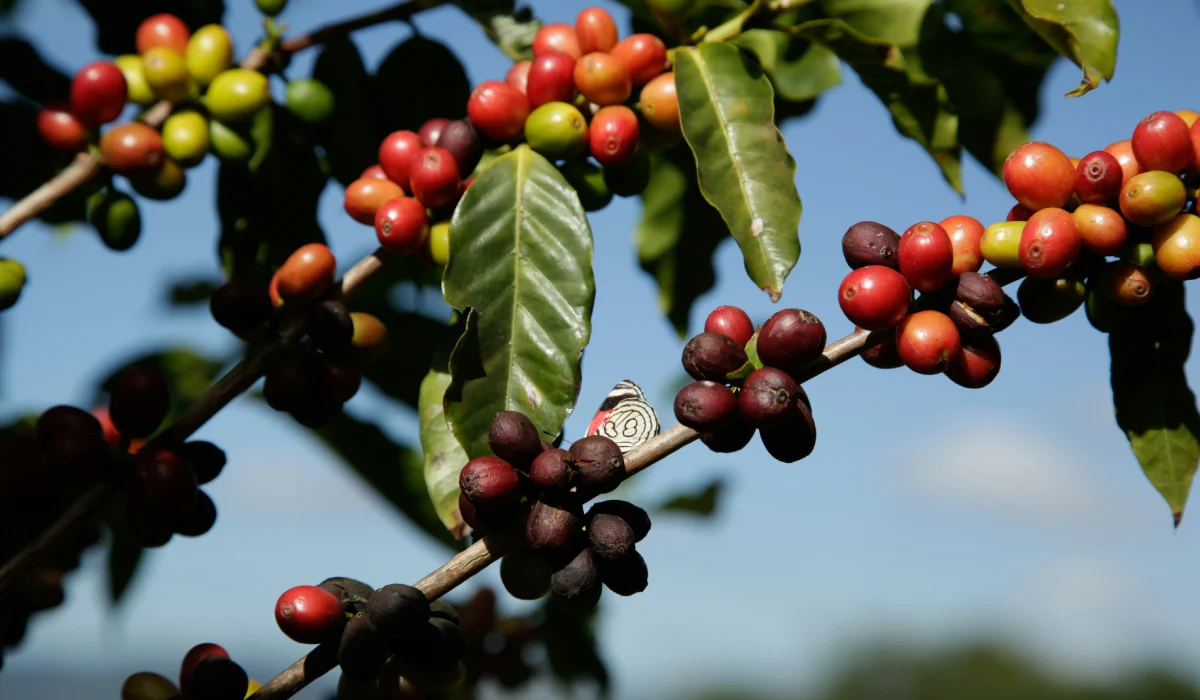
Traditional Fully Washed Process for Kenya Arabica Coffee: A Complete Processing Guide
Kenya traditional fully washed process is globally recognized for producing some of the most vibrant, complex, and clean Arabica coffees in the world. Characterized by a double fermentation cycle, density channel grading, and an extended clean water soak, this post-harvest method strips away all mucilage while stabilizing seed moisture. For specialty importers, quality control managers, and roasters, understanding this meticulous processing tradition provides critical insight into why top-tier Kenyan coffee consistently delivers brilliant acidity, exquisite clarity, and exceptional shelf life.
The Master Process Behind Kenya's Legendary Cup Profile
The pristine clarity, vivid phosphoric acidity, and intense blackcurrant and citrus notes of Kenyan Arabica coffee are no accident. While high-altitude volcanic soils along the slopes of Mount Kenya and the Aberdare Range provide ideal growing conditions, it is the traditional fully washed process—often referred to as the "Kenyan double fermentation process"—that unlocks the bean's full sensory potential.
Executed at cooperative wet mills (known locally as factories), this technique relies on precise biochemical transformation, cold river water, and rigorous physical grading at every processing step.
+-------------------------------------------------------------------+
|               HARVEST & CHERRY SELECTIVE FLOATING                 |
+-------------------------------------------------------------------+
                                  |
                                  v
+-------------------------------------------------------------------+
|                   DISC PULPING & EXOCARP REMOVAL                  |
+-------------------------------------------------------------------+
                                  |
                                  v
+-------------------------------------------------------------------+
|             PRIMARY DRY FERMENTATION (24 TO 36 HOURS)              |
+-------------------------------------------------------------------+
                                  |
                                  v
+-------------------------------------------------------------------+
|                WASHING & DENSITY CHANNEL GRADED                    |
+-------------------------------------------------------------------+
                                  |
                                  v
+-------------------------------------------------------------------+
|            SECONDARY DRY FERMENTATION (12 TO 24 HOURS)            |
+-------------------------------------------------------------------+
                                  |
                                  v
+-------------------------------------------------------------------+
|              24-HOUR CLEAN COLD WATER SOAKING PHASE               |
+-------------------------------------------------------------------+
                                  |
                                  v
+-------------------------------------------------------------------+
|           SUN-DRYING ON RAISED AFRICAN BEDS (7-14 DAYS)           |
+-------------------------------------------------------------------+
Step-by-Step Breakdown of the Traditional Washed Method
1.Selective Hand-Picking and Cherry Floating:
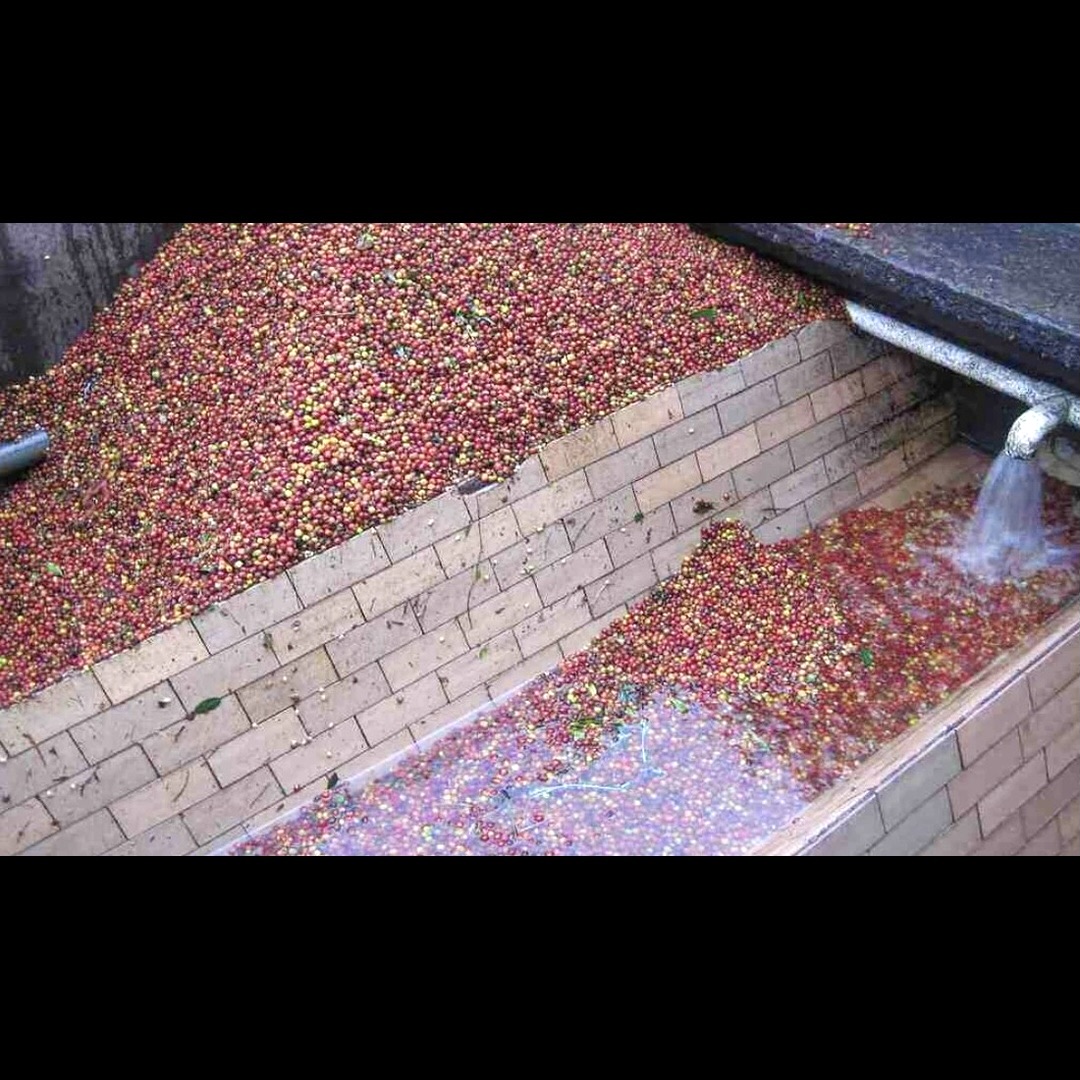
Harvesting begins with hand-picking ripe red coffee cherries. Upon arrival at the wet mill, cherries are poured into large receiving tanks filled with fresh water. Unripe, insect-damaged, or diseased cherries float to the surface ("skimmers") and are skimmed off for lower-grade processing. The dense, fully ripe cherries sink to the bottom and are channeled directly into mechanical disc pulpers.
2.Pulping and Primary Dry Fermentation:
The disc pulper mechanically strips the outer skin (exocarp) and flesh, leaving the seeds encased in parchment and a thick layer of sticky mucilage (mesocarp). The pulped seeds are moved into open concrete fermentation tanks without added water. Over 24 to 36 hours, naturally occurring yeasts and bacteria break down the mucilage sugars under cool, ambient high-altitude conditions.
3.Channel Washing and Density Separation:
Once primary fermentation has loosened the mucilage, fresh stream water is introduced into long, serpentine washing channels. Mill workers use wooden paddles to agitate and push the parchment against the water current. Heavier, dense, high-grade seeds settle at the top of the channels (Parchment 1), while lighter, less dense seeds float further down the channels (Parchment 2 and 3).
4.Secondary Dry Fermentation:
The top-tier Parchment 1 is drained and transferred into a secondary set of dry fermentation tanks for an additional 12 to 24 hours. This second stage breaks down any microscopic mucilage remnants clinging inside the parchment seam, refining the acid structure and preventing residual sugars from clouding the cup profile.
5.The 24-Hour Clean Water Soak:
Following a final thorough rinse, the parchment is submerged completely in tanks of clean, cold water for 16 to 24 hours. This soaking phase halts active microbial activity, lowers seed temperature, and allows the moisture content within the cellular matrix to equalize across the entire lot.
6.Sun-Drying on Raised African Beds:
The soaked parchment is transferred to raised wooden drying tables fitted with wire mesh. Over 7 to 14 days, workers continuously rake and turn the parchment by hand to ensure uniform drying. During the hottest midday hours and cool nights, the coffee is covered with tarps to protect it from heat stress and moisture reabsorption until it reaches a stable 9% to 12% moisture level.
Technical Comparison: Processing Methods & Sensory Outcomes
| Processing Stage | Single Washed Method | Traditional Kenyan Fully Washed | Specialty Natural Process |
| Fermentation Cycles | 1 Primary Cycle (12–18 hrs) | 2 Dry Cycles + 1 Soak Cycle | Non-washed (Fruit dries on seed) |
| Mucilage Removal | 90–95% Cleaned | 100% Stripped to Parchment | Whole Cherry Intact |
| Cup Clarity | Moderate to High | Ultimate Cup Clarity | Heavy, Winey, Fermented |
| Acidity Profile | Soft Citric | Vivid Phosphoric & Complex Malic | Muted, Fruit-Forward |
| Green Storage Stability | Standard (6–9 months) | Exceptional (12+ months) | Variable (Prone to aging) |
Why Quality Specialists Choose Kenyan Fully Washed Coffee
1. Phosphoric and Malic Acid Definition
By completely removing all mucilage sugars prior to drying, the intrinsic mineral profile absorbed from Kenya's rich volcanic soils comes straight to the surface. The double washing sequence highlights distinctive, sparkling acidity that cannot be replicated by shorter processing methods.
2. Moisture Balance and Green Longevity
The extended clean water soak ensures uniform cellular hydration across every green bean. When combined with slow sun-drying on elevated beds, the green coffee structure resists premature aging, woody notes, or moisture loss during international ocean freight and extended warehouse storage.
Sourcing Authentic Kenyan Specialty Green Coffee
Navigating origin sourcing, factory selection, and export quality control requires dedicated on-the-ground presence. At Maytac International Partners, we partner with leading coffee smallholder cooperatives and wet mills across Kenya to deliver fully traceable, double-washed Arabica lots tailored to your precise physical grade and cup profile requirements.
-
Email: info@maytacinternationalpartners.com
-
Website: www.maytacinternationalpartners.com
-
Phone / WhatsApp: +254 737 600 800
Related Products
Embu Arabica AA
USD 8.90
Embu Arabica AB
USD 8.00
Embu Arabica C
USD 7.70
Embu Arabica PB
USD 7.80
Kericho Arabica AA
USD 8.90
Kericho Arabica AB
USD 8.00
Kericho Arabica C
USD 7.70
Kericho Arabica PB
USD 7.80
Kiambu Arabica AA
USD 9.40
Kiambu Arabica AB
USD 8.50
Kiambu Arabica C
USD 7.90
Kiambu Arabica PB
USD 8.20
Kirinyaga Arabica AA
USD 9.20
Kirinyaga Arabica AB
USD 8.50
Kirinyaga Arabica C
USD 7.70
Kirinyaga Arabica PB
USD 8.00
Meru Arabica AA
USD 9.20
Meru Arabica AB
USD 8.40
Meru Arabica C
USD 7.70
Meru Arabica PB
USD 7.90
Murang'a Arabica AA
USD 8.90
Murang'a Arabica AB
USD 8.00
Murang'a Arabica C
USD 7.70
Murang'a Arabica PB
USD 7.80
Nyeri Arabica AA
USD 9.40
Nyeri Arabica AB
USD 8.50
Nyeri Arabica C
USD 7.90
Nyeri Arabica PB
USD 8.20
FAQs
What makes the traditional fully washed process in Kenya unique compared to other origins?
Kenya’s traditional fully washed process includes a unique double dry fermentation phase followed by a 24-hour clean water soak. Most other washed coffee origins use a single fermentation cycle. This extra double-washing step achieves total mucilage removal, yielding unmatched cup clarity and prolonged green coffee freshness.
Why is coffee washed in channels during processing in Kenya?
Washing channels serve a dual function: they mechanically scrub residual fermented mucilage off the parchment through water friction and sort the coffee by density. The densest, highest-quality parchment settles first at the head of the channel, ensuring physical and sensory uniformity.
Does double fermentation increase the risk of over-fermented or defect flavors?
No. Because the coffee is rinsed thoroughly with fresh cold water between the primary and secondary fermentation stages, microbial growth is carefully managed. The final cold water soak halts further microbial fermentation, preventing sour, wild, or vinegary off-flavors.
How does the 24-hour water soak impact roasting performance?
The soaking phase balances moisture levels throughout the cellular structure of each seed. This uniform internal hydration allows roasters to apply higher initial heat charges with predictable thermal absorption, reducing the risk of tipping or uneven center development during the roast.
Are all Kenyan Arabica grades processed using the traditional fully washed method?
The vast majority of specialty Arabica lots produced by smallholder co-operatives in Kenya undergo the traditional fully washed double fermentation process. However, limited micro-lots using natural, honey, or experimental anaerobic processes are also produced in small quantities for niche specialty markets.