
The Power of Selective Hand-Picking: Why Manual Harvesting Defines Specialty Coffee Quality
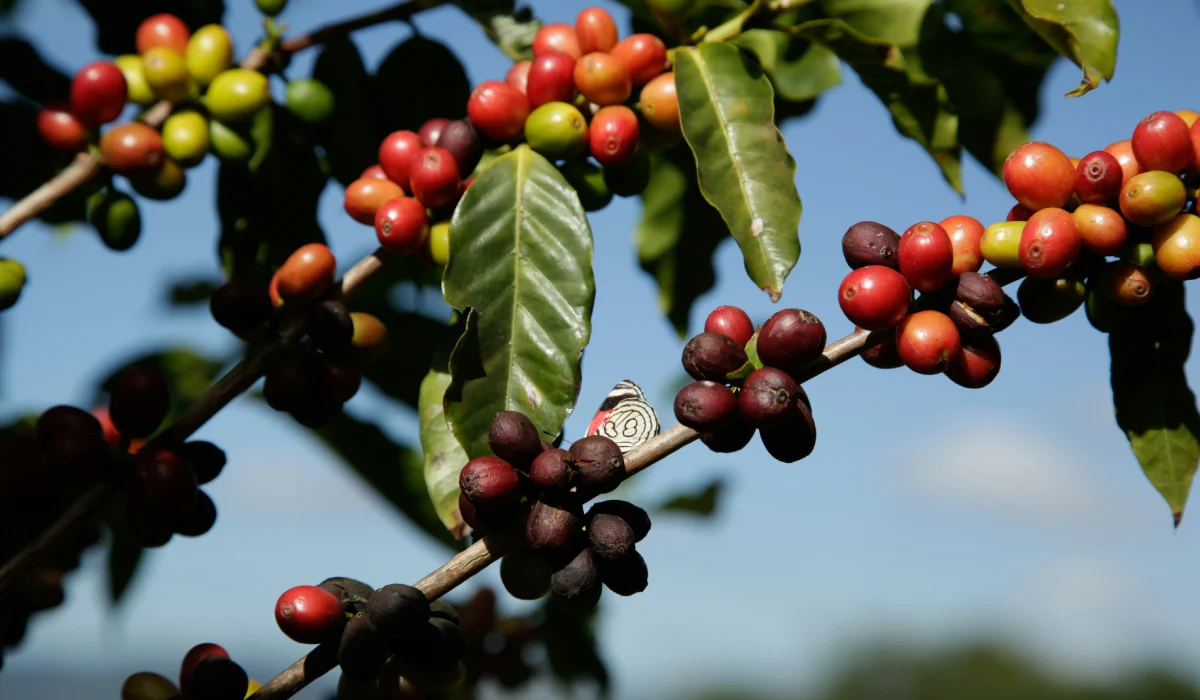
In the world of specialty coffee, extraordinary cup quality begins at the branch. Selective hand-picking is the practice of manually harvesting only perfectly ripe red coffee cherries while leaving green and under-ripe fruit behind remains the undisputed gold standard for origin quality. For specialty roasters, green coffee buyers, and importers, selective harvesting is more than a traditional farming technique; it is a vital quality-assurance step that maximizes sugar content, eliminates harvest defects, stabilizes fermentation, and protects long-term farm sustainability and yield consistency.
What is Selective Hand-Picking?
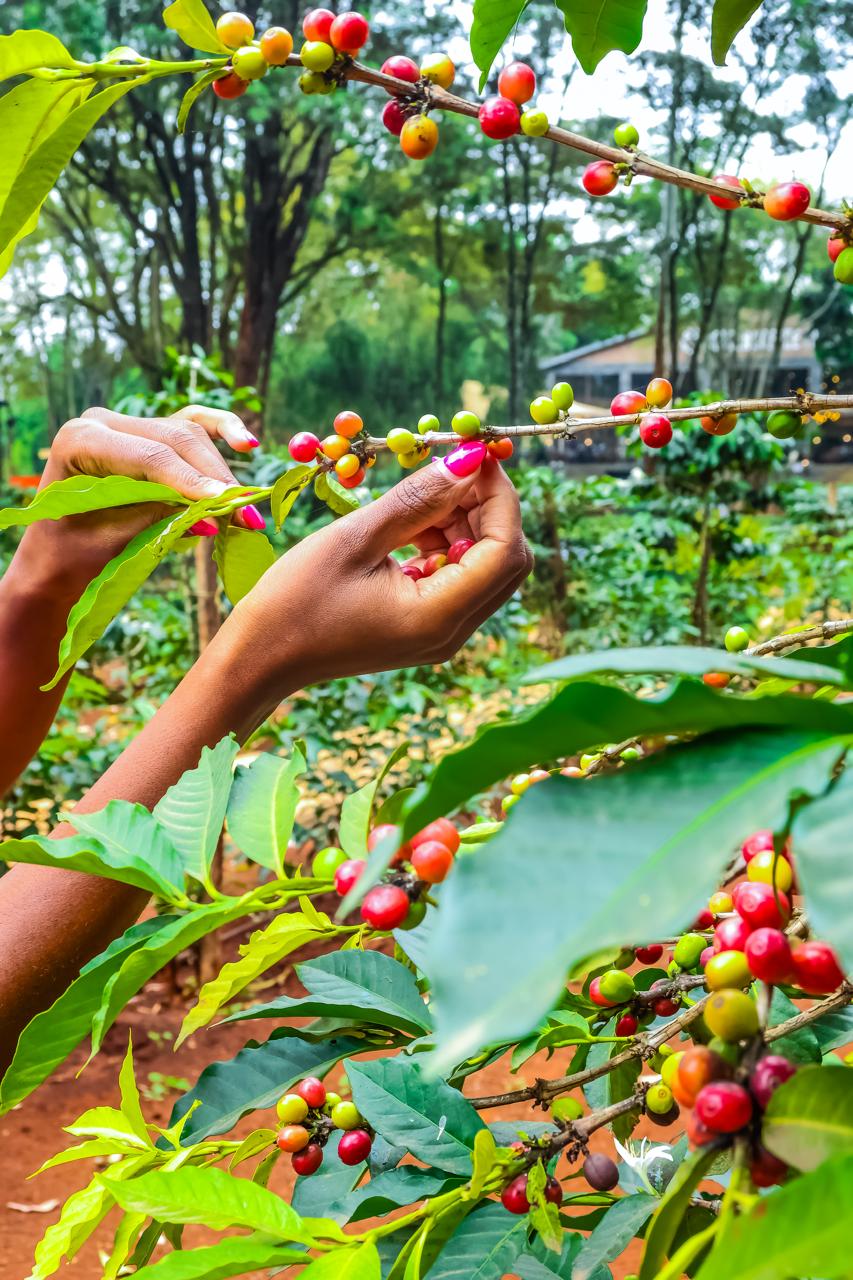
Selective hand-picking is a labor-intensive harvesting strategy where farmworkers pass through coffee fields multiple times over a harvest season, selecting only individual cherries at peak ripeness.
Unlike strip picking (where all cherries are pulled off the branch at once regardless of maturity) or mechanical harvesting (where tractor-mounted shakers strip entire rows), selective picking relies on human judgment to evaluate cherry color, softness, and sugar concentration directly on the tree.
In high-altitude growing regions like Kenya, where steep terrain along Mount Kenya and the Aberdare Range renders heavy machinery impossible. Selective picking is both a physical necessity and a core driver of origin quality.
Key Advantages of Selective Hand-Picking for Green Coffee Quality
+-------------------------------------------------------------------+
|                  SELECTIVE HARVESTING ADVANTAGES                  |
+-------------------------------------------------------------------+
       |                    |                    |
       v                    v                    v
+--------------+     +--------------+     +--------------+
|   PEAK BRIX  |     | NO DEFECTS / |     |  UNIFORM DRY |
|  SUGAR LEVELS|     | LOW QUAKERS  |     | FERMENTATION |
+--------------+     +--------------+     +--------------+
1. Maximum Sugar Content and Complex Flavor Precursors
As a coffee cherry reaches peak maturity, its internal mucilage accumulates complex carbohydrates, organic acids, and sucrose. Selective picking guarantees that every harvested seed carries maximum Brix (sugar) levels. These sugars break down during roasting into delicate aromatics, vibrant malic and citric acidity, and rich caramel sweetness.
2. Elimination of Unripe Cherries and "Quakers"
Including even a small percentage of green or under-ripe cherries in a processing batch severely compromises cup quality. Under-ripe beans lack the sugars required for Maillard reactions during roasting, resulting in pale, flavorless beans known as quakers. Selective hand-picking eliminates quakers at the source, preventing harsh, astringent, or metallic off-flavors in the finished roast.
3. Predictable, Uniform Fermentation Cycles
Whether processed using Kenya's traditional double fermentation method or natural processing, wet mill fermentation depends on microbial action breaking down mucilage sugars. When a batch contains uniform, fully ripe cherries, fermentation progresses evenly across the entire tank. Mixed-ripeness batches ferment unevenly, increasing the risk of over-fermented, vinegary, or woody defect notes.
Selective Hand-Picking vs. Alternative Harvesting Methods
| Harvesting Metric | Selective Hand-Picking | Strip Harvesting | Mechanical Harvesting |
| Ripeness Precision | 95%–100% Fully Ripe | Mixed (Ripe, Unripe, Over-ripe) | Mixed / Non-selective |
| Defect Rate (Quakers) | Extremely Low (<1%) | Moderate to High (5%–15%) | High (Requires heavy sorting) |
| Tree & Branch Damage | None (Preserves flowering nodes) | Moderate (Strips leaves/twigs) | High (Vibrational tree stress) |
| Terrain Compatibility | Steep hillsides & high altitudes | Flat or gentle slopes | Flat plantations only |
| Specialty Market Value | Premium / Micro-lot Tier | Standard Commercial / Blend Tier | Soluble / Commercial Tier |
Long-Term Benefits for Producers and Agronomy
Beyond immediate cup quality, selective hand-picking offers profound agronomic and social benefits:
-
Protection of Future Harvests: Pickers gently snap the cherry stem off the node without damaging the branch or stripping leaves. This preserves nodes for the following season's blossom and fruit set.
-
Extended Harvest Windows: Because coffee cherries on the same branch ripen at different rates, multiple selective picking passes (often 3 to 5 passes per season) allow farmers to maximize total usable yield per tree over several weeks.
-
Rural Employment & Skill Development: Selective harvesting supports seasonal employment in rural coffee-growing communities, rewarding experienced pickers who can quickly identify optimal harvest maturity.
Direct Sourcing & Quality Control Support
Delivering exceptional specialty coffee requires unyielding standards from tree to port. At Maytac International Partners, we work closely with Kenyan coffee smallholders and cooperative factories to enforce strict selective picking protocols, ensuring that every green coffee lot we export meets exact physical and sensory specifications.
-
Email: info@maytacinternationalpartners.com
-
Website: www.maytacinternationalpartners.com
-
Phone / WhatsApp: +254 737 600 800
Related Products
Embu Arabica AA
USD 8.90
Embu Arabica AB
USD 8.00
Embu Arabica C
USD 7.70
Embu Arabica PB
USD 7.80
Kericho Arabica AA
USD 8.90
Kericho Arabica AB
USD 8.00
Kericho Arabica C
USD 7.70
Kericho Arabica PB
USD 7.80
Kiambu Arabica AA
USD 9.40
Kiambu Arabica AB
USD 8.50
Kiambu Arabica C
USD 7.90
Kiambu Arabica PB
USD 8.20
Kirinyaga Arabica AA
USD 9.20
Kirinyaga Arabica AB
USD 8.50
Kirinyaga Arabica C
USD 7.70
Kirinyaga Arabica PB
USD 8.00
Meru Arabica AA
USD 9.20
Meru Arabica AB
USD 8.40
Meru Arabica C
USD 7.70
Meru Arabica PB
USD 7.90
Murang'a Arabica AA
USD 8.90
Murang'a Arabica AB
USD 8.00
Murang'a Arabica C
USD 7.70
Murang'a Arabica PB
USD 7.80
Nyeri Arabica AA
USD 9.40
Nyeri Arabica AB
USD 8.50
Nyeri Arabica C
USD 7.90
Nyeri Arabica PB
USD 8.20
FAQs
Why is selective hand-picking preferred for specialty coffee over mechanical harvesting?
Selective hand-picking ensures that only peak-ripe cherries are harvested. Mechanical harvesters strip all cherries indiscriminately, mixing under-ripe and over-ripe fruit with mature cherries, which increases green defects and lowers overall cupping scores.
How many times are coffee trees picked during a selective harvest season?
Farmworkers typically revisit the same coffee trees between 3 and 5 times throughout a harvest season. This staggered approach allows cherries that were green during earlier passes to reach full maturity before being picked.
How does selective picking affect roasting consistency?
Because selectively picked cherries are uniform in size, moisture, and density, the resulting green beans absorb heat evenly inside the roast drum. This uniformity reduces the occurrence of underdeveloped centers, tipping, or flavor inconsistencies across batches.
Is selective hand-picking common in Kenyan Arabica production?
Yes. Most Kenyan coffee is grown on smallholder farms located on the steep slopes of Mount Kenya and the Aberdare Range. Hand-picking is the standard harvesting method across these regions, contributing directly to the country's reputation for high-scoring specialty lots.
Does selective hand-picking justify higher green coffee prices?
Absolutedly. Selective picking requires significant manual labor and multiple farm passes, raising production costs. However, the resulting elevation in cup score, structural clarity, and defect reduction commands premium pricing in the global specialty direct-trade market.